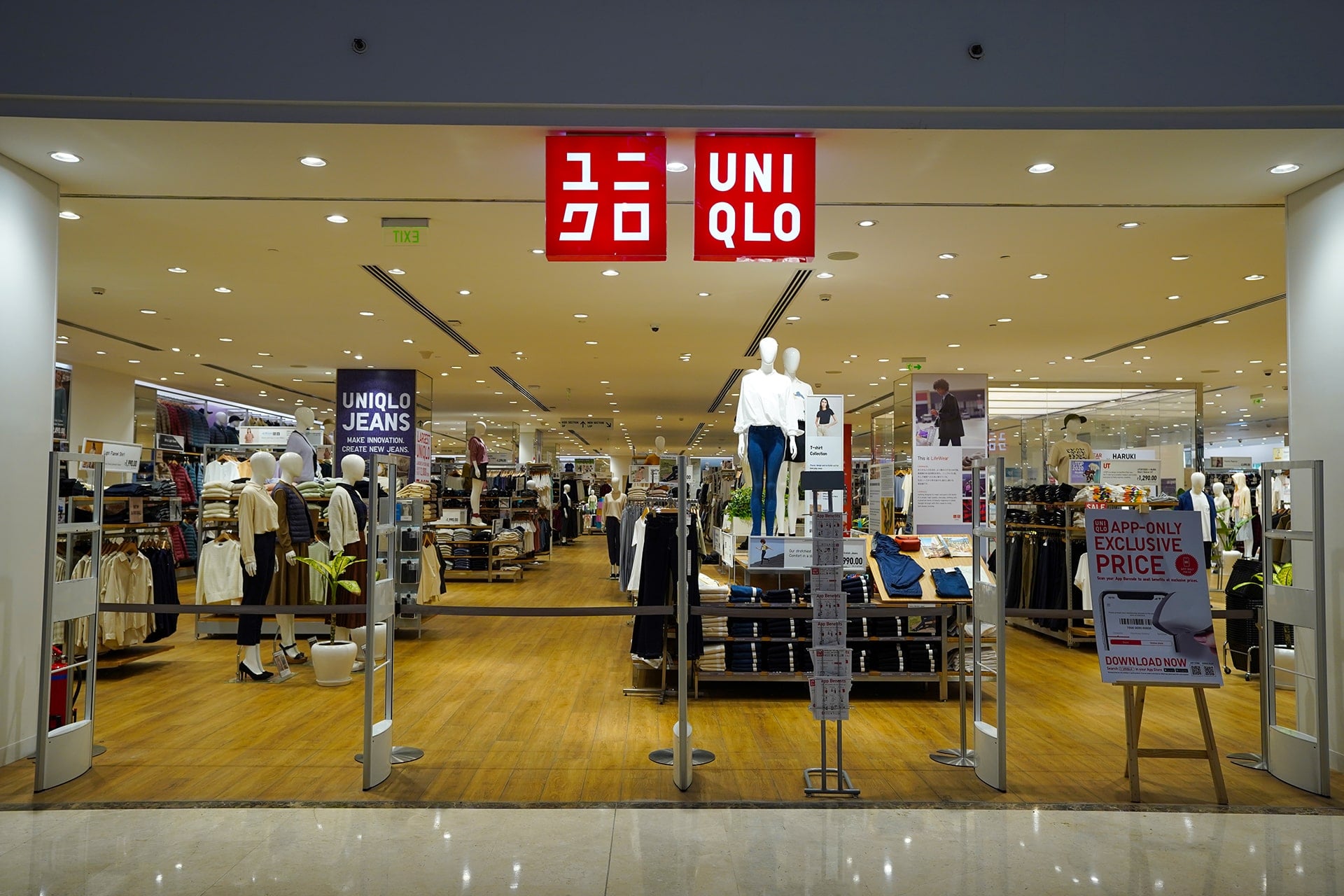
Uniqlo’s explosive global expansion rests on a counterintuitive core principle: every single corporate and retail executive starts on the sales floor. Rather than hiring external veterans to steer regional branches, parent company Fast Retailing relies almost exclusively on its structured pipeline known as the UNIQLO Management Candidate (UMC) program. This initiative serves as the engine room for the brand's retail dominance, turning ambitious graduates into autonomous business leaders within months.
The program breaks away from traditional corporate hierarchies by treating retail stores not as low-level outposts, but as entrepreneurial incubators. If you're eyeing a high-velocity career in global retail operations, understanding how this pipeline functions gives you a blueprint for rapid professional acceleration.
The Core Architecture of the UMC Program
The UMC track isn't a standard corporate traineeship where you shadow executives from a glass-walled office. Instead, it throws you directly into the operational trenches. New candidates step onto the sales floor on day one, mastering the foundational mechanics of customer service, inventory control, and visual merchandising.
The curriculum relies on experiential learning divided into distinct phases designed to shift your mindset from task execution to total business ownership.
- Operational Groundwork: You learn cash handling, stockroom organization, and customer engagement. You experience how a clean, efficient store floor directly influences daily sales metrics.
- Team Leadership: As you master baseline tasks, you transition into coordinating shift teams, onboarding new hires, and taking accountability for specific product categories.
- Business Performance Management: The final phase moves you into profit-and-loss (P&L) tracking, scheduling optimization, sales forecasting, and localized marketing efforts under the mentorship of seasoned store managers.
This immersion ensures that when you eventually take charge of a branch, you understand every single variable affecting your store's bottom line.
Why Floor-Up Leadership Drives Retail Success
Most legacy retail chains struggle with disconnection between headquarters and storefronts. Planners in corporate offices draft strategies that fail to match reality on the ground. Uniqlo eliminates this gap by ensuring its decision-makers have spent countless hours folding clothes, running registers, and dealing with rush-hour customer traffic.
By treating the store as a living laboratory, candidates develop three critical competencies that fuel long-term success:
- Profit Management: You analyze daily sales cycles, track inventory turnover, and adjust stock placements based on live consumer demand.
- Product Mastery: You learn why certain garments move quickly and how seasonal shifts alter regional buying patterns.
- People Leadership: You manage diverse teams, resolve conflicts on the fly, and build a culture of accountability among store associates.
This hands-on methodology creates an agile workforce. Store managers don't wait for months-long bureaucratic approvals to fix local operational friction; they diagnose problems instantly and execute solutions. You can explore official program outlines directly via the Fast Retailing Global Careers Portal to see regional variations.
Merit-Based Advancement Versus Seniority
One of the most striking elements of the UMC pathway is its strict adherence to a meritocratic structure. Traditional retail organizations often lock promotions behind years of tenure or internal politics. Fast Retailing discards this approach entirely.
If you demonstrate the capacity to drive sales, lead teams effectively, and manage a profitable location, your age or length of employment becomes irrelevant. High performers frequently transition from entry-level UMCs to running multi-million-dollar flagship stores within a few short years. This rapid-fire promotion cycle attracts high-drive candidates who want their compensation and title upgrades tied directly to measurable business impact rather than calendar years served.
Common Pitfalls for New Candidates
Entering the UMC program with the wrong expectations leads to quick burnout. Many applicants assume a "management candidate" title means immediate administrative duties.
- Underestimating Physical Demands: You will spend long hours standing, moving heavy inventory boxes, and running active shifts. Physical resilience is non-negotiable.
- Resisting Relocation: Fast Retailing often requires geographic mobility. Candidates unwilling to relocate to new cities or regional markets limit their upward trajectory.
- Ignoring Micro-Metrics: Successful candidates don't just supervise; they obsess over hourly conversion rates, units per transaction (UPT), and labor cost percentages. Ignoring these granular figures stalls progress.
Treating the initial floor-work as a temporary annoyance rather than an essential masterclass guarantees failure. The best leaders embrace the physical grind as necessary preparation for large-scale enterprise management.
Beyond the Single Store: Global Career Trajectories
The long-term value of the UMC pipeline extends far past managing a single retail location. Because Fast Retailing operates on an aggressive international scale, successful store managers often pivot into broader corporate roles.
Once you prove you can scale operations at the store level, career pathways branch out into several exciting directions:
- Area and Block Management: Overseeing multiple retail locations, aligning regional sales strategies, and mentoring incoming store managers.
- Headquarters Specialization: Transitioning into corporate departments such as merchandising, supply chain logistics, human resources, or marketing, bringing direct frontline insights to corporate policy.
- International Expansion: Joining launch teams tasked with opening stores in brand-new global markets, adapting the Uniqlo retail philosophy to entirely different cultural landscapes.
To read more about employee experiences and regional openings, check out the Uniqlo US Early Careers Page.
Frequently Asked Questions
What qualifications do you need to enter the UMC program?
The program typically targets recent university graduates or early-career professionals holding a bachelor's degree in any discipline. Strong candidates demonstrate a high growth mindset, leadership potential, and flexibility regarding shift work and geographic mobility.
How long does it take to become a store manager?
While timelines vary by region and individual performance, the intensive development track generally spans nine to twelve months before candidates assume full responsibility as a store manager.
Is relocation required for career progression?
Yes. Because the company scales rapidly across domestic and international markets, willingness to relocate based on business needs is a major asset for long-term advancement into multi-unit leadership roles.
How does Uniqlo evaluate candidate performance?
Performance tracking is continuous. Candidates undergo regular progress check-ins with dedicated trainers and formal performance reviews every six months, ensuring promotions remain strictly tied to measurable results.



