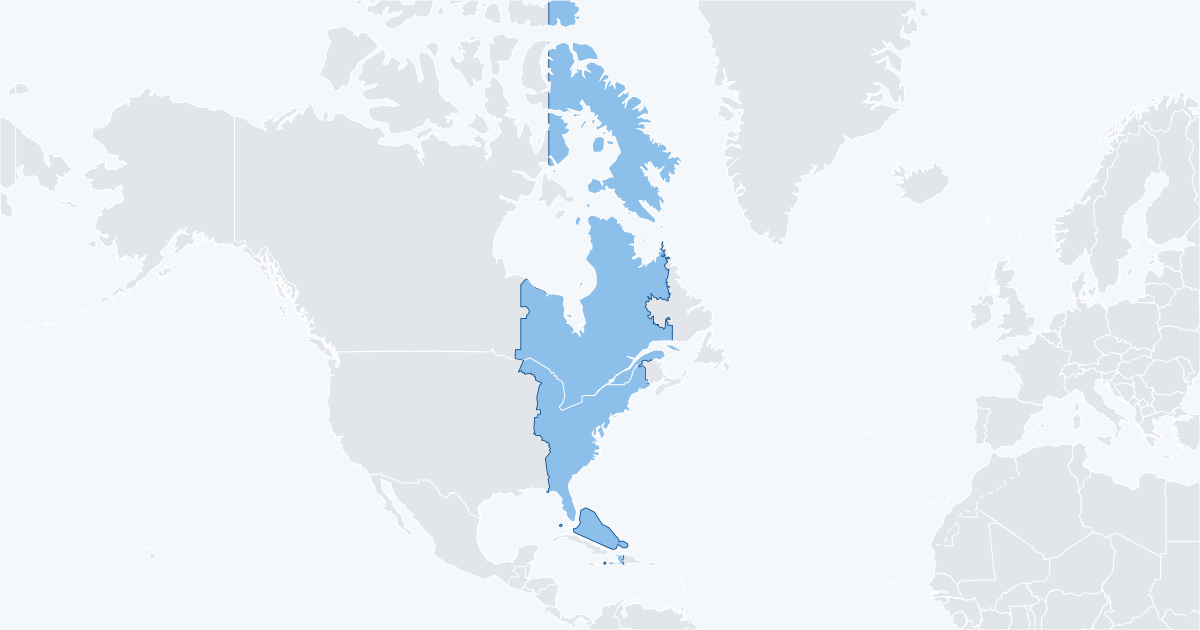
Navigating time zones across the Tar Heel State involves more than just a quick glance at your phone. North Carolina sits almost entirely within the Eastern Time Zone, governing major urban centers like Charlotte, Raleigh, and Greensboro, but managing schedules across state lines or adjusting for seasonal shifts requires clear details.
Knowing how the clock moves helps you coordinate business calls, travel itineraries, and daily routines without missing a beat. The state observes both Eastern Standard Time (EST) and Eastern Daylight Time (EDT), aligning with federal regulations set by the Uniform Time Act of 1966.
The North Carolina Time Zone Structure
Almost the entire state of North Carolina operates on the Eastern Time Zone. Whether you're walking through the coastal Outer Banks or attending a conference in the Research Triangle, local clocks adhere to UTC-5 during standard winter months and UTC-4 during daylight saving months.
- Eastern Standard Time (EST): Active from early November to mid-March, placing the state five hours behind Coordinated Universal Time (UTC-5).
- Eastern Daylight Time (EDT): Active from mid-March to early November, shifting clocks forward one hour to UTC-4.
While historical oddities or minor border nuances occasionally confuse visitors, no part of North Carolina observes the Central Time Zone today, despite occasional legislative debates or proximity to the Tennessee border. Standardizing on a single time zone simplifies commerce, education, and transportation statewide.
How Daylight Saving Time Works in North Carolina
The transition between standard and daylight time dictates when residents "spring forward" or "fall back". These shifts follow strict federal timelines managed by the U.S. Department of Transportation.
The Spring Transition
On the second Sunday in March, clocks move forward one hour at 2:00 a.m. Local time instantly becomes 3:00 a.m., resulting in one less hour of sleep but gaining an extra hour of evening daylight. Commuters experience darker mornings, while evening outdoor activities benefit from extended sunlight.
The Autumn Transition
On the first Sunday in November, clocks move backward one hour at 2:00 a.m. Local time rolls back to 1:00 a.m., giving everyone an extra hour of sleep. Sunsets happen noticeably earlier in the evening, shifting daylight into the early morning hours.
Most modern smartphones, computers, and connected devices update automatically during these transitions. However, analog wall clocks, car dashboards, and older appliances require manual adjustments.
Practical Tips for Managing Schedule Changes
Shifting clocks by an hour disrupts sleep cycles and can throw off travel plans if you aren't prepared. Use these actionable steps to stay on track:
- Check manual clocks the night before: Inspect stoves, microwaves, and wristwatches ahead of time so you don't arrive an hour early or late on Sunday morning.
- Adjust sleep schedules gradually: Go to bed 15 minutes earlier in the days leading up to the spring shift to soften the impact of lost sleep.
- Verify meeting times across states: If you collaborate with teams in the Central or Pacific zones, double-check meeting slots during the transition weeks when different jurisdictions might handle dates slightly differently.
- Confirm flight departures: Airlines operate on local airport times. Always rely on the departure time listed on your boarding pass rather than guessing based on your home clock.
Legislators frequently introduce state bills aiming to establish year-round daylight saving time or permanent standard time, but federal law currently requires congressional approval before any state can make a permanent change. For now, the biannual shift remains standard practice across North Carolina.
Frequently Asked Questions
Does any part of North Carolina use Central Time?
No. While some western counties sit directly on the border of Tennessee (which has counties split between Eastern and Central times), all of North Carolina officially observes the Eastern Time Zone.
When did North Carolina start observing Daylight Saving Time?
The state began uniformly observing daylight saving time following the passage of the federal Uniform Time Act of 1966. Prior to that federal mandate, individual towns and regions maintained varied local schedules.
Do smart devices update automatically for time changes?
Yes. Operating systems on iPhones, Android devices, Windows, and Mac computers pull time zone data from network towers or internet time servers, handling the spring and autumn transitions without user intervention.
What happens if I miss a time change on a manual clock?
You might run early or late for Sunday appointments. It's best to update any non-networked clocks before going to bed on Saturday evening so your Sunday schedule stays accurate.


