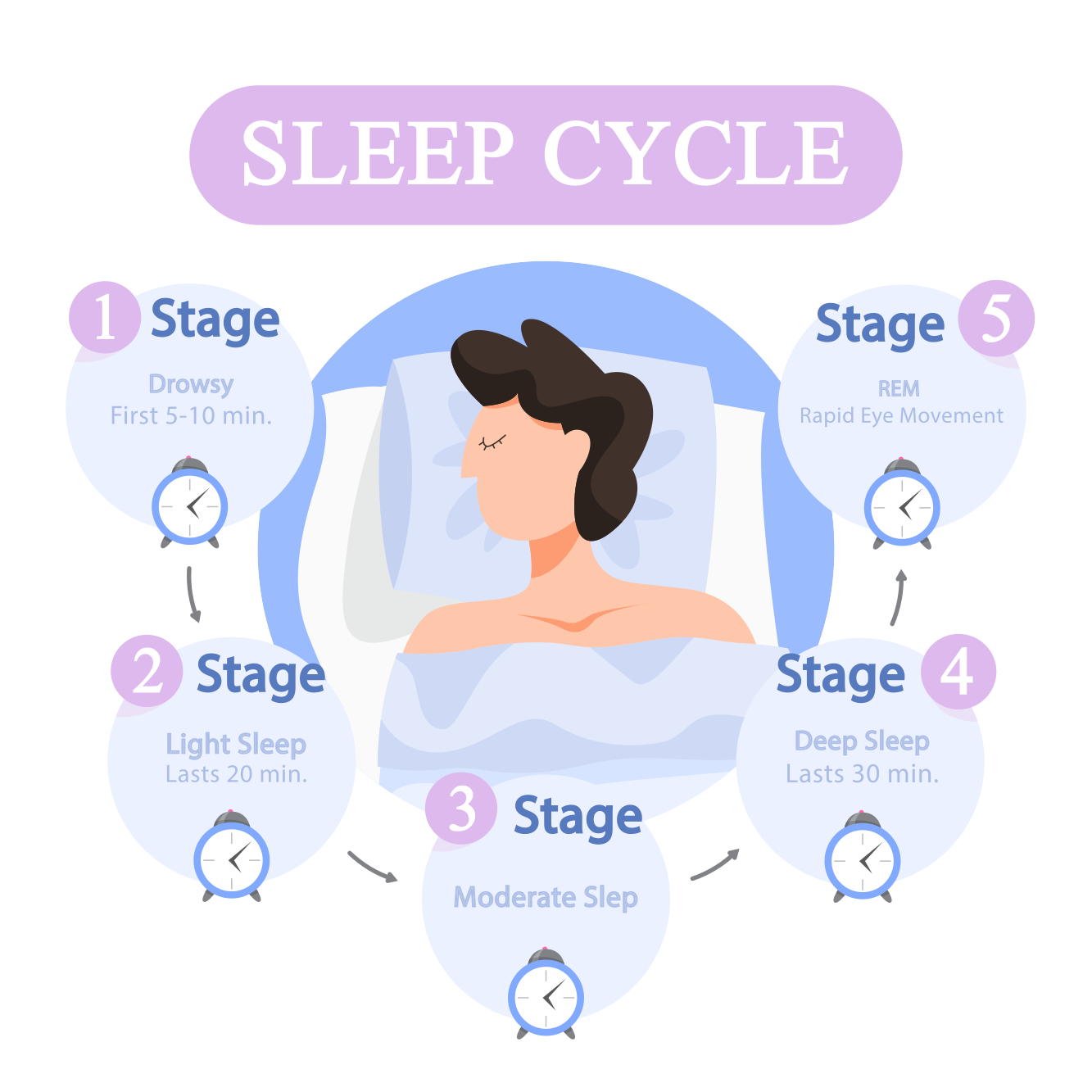
Navigating complex sleep-related behaviors requires a clear understanding of neurological sleep functions and the boundaries of personal consent. When individuals experience unusual motor or vocal actions during deep sleep cycles, it's vital to examine the medical reality behind these occurrences rather than relying on sensationalized depictions found online.
Parasomnias encompass a wide range of disruptive sleep-related events. These behaviors manifest during distinct stages of the sleep cycle, most commonly during non-rapid eye movement (NREM) sleep. Recognizing the physiological markers helps distinguish clinical sleep disorders from conscious actions.
What is Sexsomnia?
Sexsomnia, also referred to as sleep sex, is a recognized medical subtype of confusional arousal. It involves engaging in sexual acts while completely asleep. Individuals experiencing an episode have no conscious awareness of their behavior and typically retain total amnesia regarding the event the next morning.
During an episode, brain activity shows mixed states where parts of the brain responsible for autonomic and motor functions remain active while the cerebral cortex—the area governing conscious thought, decision-making, and self-monitoring—stays in deep sleep. This neurological disconnect explains why individuals can perform complex physical actions without waking up or processing the reality of the situation.
- Common physical movements include pelvic thrusting, fondling, or initiating intercourse.
- Vocalizations such as mumbling, talking dirty, or moaning frequently occur.
- Eyes may remain open, giving a false impression that the person is awake and conscious.
Medical and Neurological Triggers
Medical professionals look at several underlying triggers when diagnosing parasomnias. Sleep architecture disruptions rarely happen in isolation. Identifying contributing physical factors is essential for proper evaluation and management.
- Sleep deprivation: Chronic lack of rest deepens NREM stages, increasing the likelihood of abnormal arousal surges.
- Obstructive sleep apnea: Breathing interruptions cause micro-awakenings that destabilize normal sleep transitions.
- Medications and substances: Certain sedatives, antidepressants, or alcohol consumption can trigger abnormal sleep behaviors in predisposed individuals.
- Genetic predisposition: A family history of sleepwalking or night terrors heavily correlates with the onset of parasomnias.
The Legal and Ethical Reality of Non-Consensual Sleep Acts
Consent requires an active, conscious, and informed state of mind. Because sleep renders a person entirely unconscious, it is biologically and legally impossible for a sleeping individual to grant consent.
Legal systems worldwide treat unauthorized sexual contact during sleep with extreme gravity. While medical experts may diagnose conditions like sexsomnia in clinical settings, courts scrutinize defense claims rigorously. Establishing a genuine parasomnia diagnosis requires documented medical history, sleep lab polysomnography testing, and witness testimony of habitual sleep disruptions over many years.
Managing Sleep Disorders Safely
Addressing parasomnias requires a structured approach centered on safety, medical diagnosis, and lifestyle adjustments. Ignoring chronic sleep disruptions can compromise both personal well-being and household safety.
- Consult a sleep specialist: Schedule a comprehensive evaluation at an accredited sleep disorders clinic.
- Undergo polysomnography: Monitor brain waves, heart rate, and breathing patterns overnight to pinpoint specific arousal triggers.
- Optimize sleep hygiene: Maintain a strict sleep schedule, eliminate late-night alcohol intake, and treat underlying conditions like sleep apnea.
- Secure the sleeping environment: Use separate beds or secure bedroom doors if sleep behaviors pose a risk to partners or co-habitants.
Frequently Asked Questions
Can someone with sexsomnia control their actions?
No. An individual experiencing a parasomnia episode lacks conscious awareness and executive control. The actions are driven by autonomic brain functions during deep sleep stages, meaning the person cannot consciously stop or alter the behavior while it happens.
How do doctors diagnose sleep-related parasomnias?
Physicians rely on detailed clinical histories, partner or family accounts of nocturnal behavior, and overnight sleep studies. Polysomnography allows specialists to observe brain wave anomalies during NREM sleep transitions.
Are parasomnias treatable?
Yes. Treatment typically involves managing underlying sleep disorders, adjusting medications that exacerbate confusional arousals, and practicing consistent sleep hygiene to stabilize the sleep cycle.
What should a partner do if an incident occurs?
Partners should prioritize immediate physical safety, gently guide the individual back to bed without startling them violently, and document the frequency and nature of the events to share with a medical professional. Learn more about healthy sleep guidelines through resources provided by the National Institutes of Health and the American Academy of Sleep Medicine.



