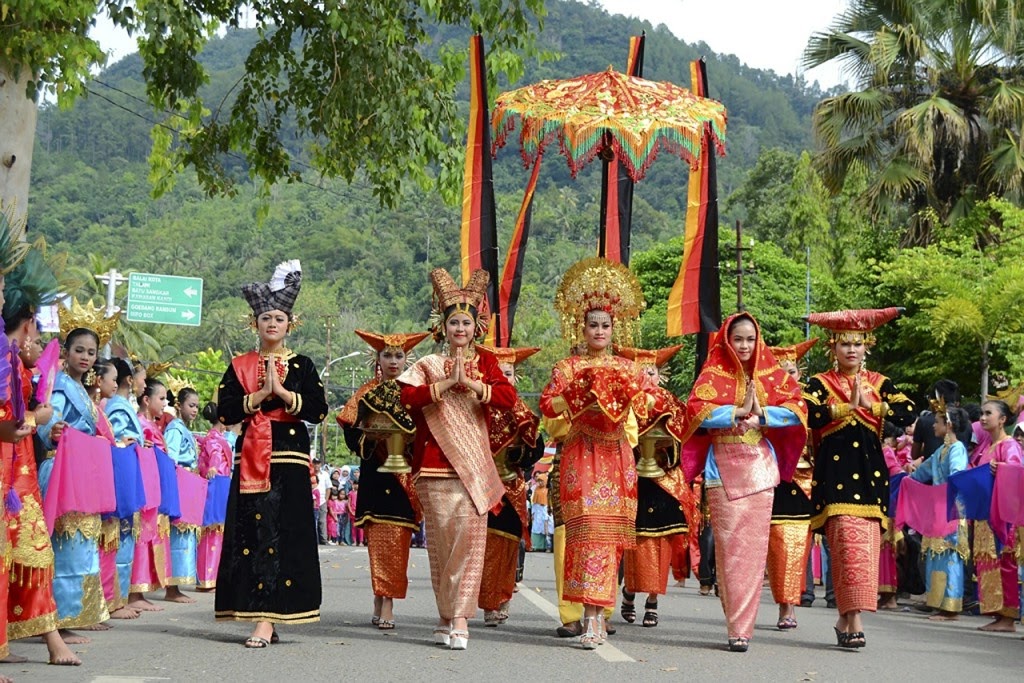
The term indo functions as a versatile linguistic prefix, a cultural identity, and a shorthand reference depending on the context. Most commonly, it serves as a combining form denoting India or the Indian subcontinent, appearing in terms like Indo-Aryan or Indo-European. However, it also designates the Eurasian community of mixed Dutch and Indonesian descent, or acts as a colloquial abbreviation for Indonesia. Grasping how this term shifts across historical, linguistic, and cultural frameworks requires looking past a single definition.
The Linguistic Prefix: India and South Asia
In historical and academic literature, indo appears almost exclusively as a prefix linking entities to India. This usage stems from ancient Greek and Latin roots referring to the Indus River and the lands beyond it.
When applied in linguistics and anthropology, it bridges two distinct cultural or geographic spheres. Consider the following primary linguistic applications:
- Indo-European: A massive language family spanning from Western Europe to South Asia, sharing a common ancestral tongue known as Proto-Indo-European.
- Indo-Aryan: A major branch of the Indo-Iranian language family, encompassing languages like Hindi, Bengali, Punjabi, and Sanskrit.
- Indo-Pacific: A biogeographical and geopolitical region combining the Indian and Pacific Oceans, frequently used in marine biology and international relations.
Scholars use these hyphenated designations to map historical migrations, trade routes, and the diffusion of linguistic structures over thousands of years.
The Indo People: Heritage and History
In a social and cultural context, Indo (short for Indo-European or Indies) refers to people of mixed European and Indonesian ancestry, primarily developed during the Dutch colonial era in the Dutch East Indies (now Indonesia).
This community emerged over centuries through intermarriage between Dutch colonists, administrators, and local Indigenous populations. They forged a distinct culture that blended European administrative structures with Southeast Asian cuisine, language (such as Petjo and Javindo creoles), and social customs.
Following World War II and the Indonesian National Revolution, hundreds of thousands of Indo families migrated to the Netherlands, the United States, and other parts of the world. This diaspora preserved unique culinary traditions—often called Indische cuisine—and a rich oral history that bridges Western and Southeast Asian heritage. You can explore more about this diaspora history through resources provided by cultural institutions like the Tropenmuseum.
Geographic and Colloquial Shorthand
In modern digital communication and journalism, indo frequently functions as a shorthand label:
- Indonesia: Travelers and digital platforms often shorten the country name to "Indo" when discussing travel, economics, or regional affairs.
- Media: In Ireland, the Irish Independent newspaper is widely nicknamed "The Indo".
- Agriculture: In certain North American slang contexts, "indo" (derived from indoor) refers to indoor-cultivated cannabis.
Misinterpreting the shorthand can lead to confusion, especially when moving between academic texts, immigration documents, and casual conversation. Always check surrounding topics—such as geography, linguistics, or pop culture—to anchor the meaning.
Common Misunderstandings
People frequently trip over the boundaries of these distinct definitions. A common error assumes that the prefix indo always refers to modern Indonesia, when historical texts use it strictly in reference to the Indian subcontinent.
Another frequent mix-up involves confusing the multi-ethnic Indo diaspora of Europe with modern expatriates living in Southeast Asia. Recognizing these structural differences prevents historical inaccuracies and clarifies cross-cultural studies.
Frequently Asked Questions
Does indo mean India or Indonesia?
Historically and linguistically, it refers to India or the Indian subcontinent. In modern casual shorthand, it frequently abbreviates Indonesia, which requires context to differentiate.
Who are the Indo people?
They are an ethnic community of mixed European (mostly Dutch) and Indigenous Indonesian descent originating during the colonial period in the Dutch East Indies.
Is indo used as a standalone word in formal writing?
Rarely. In formal academic, legal, or journalistic writing, it appears as a prefix (indo-european) or requires spelling out the full proper noun to avoid ambiguity.


