The dolar blue represents the informal, parallel exchange rate for the U.S. dollar in Argentina. For over a decade, this unofficial market functioned as the true barometer of economic health in a country plagued by chronic inflation, capital controls, and deep-seated distrust of the domestic peso. While tourists once relied on the black market to double their purchasing power, understanding how this parallel financial ecosystem operates requires looking past simple travel hacks into the mechanics of monetary intervention.
Understanding this currency conundrum starts with recognizing why parallel rates emerge. When governments restrict access to foreign currency and fix official exchange rates despite soaring inflation, informal markets naturally fill the void. Argentina's history of monetary instability created a permanent demand for a reliable store of value, turning the greenback into an unofficial parallel currency.
The Origin of Argentina's Currency Controls
The roots of the parallel market trace back to strict capital controls introduced by the government in late 2011, known locally as the cepo cambiario. Faced with declining foreign currency reserves and rampant capital flight, authorities limited the ability of individuals and businesses to purchase official U.S. dollars.
- Capital Flight: Investors sought to move funds out of pesos to protect wealth against impending devaluations.
- Official Limits: Citizens faced strict monthly quotas on legal dollar purchases, often subject to heavy surcharges and taxes.
- Black Market Emergence: With legal supply choked off, an informal cash market grew rapidly to connect willing buyers and sellers outside the banking system.
These restrictions did not stop the outflow of capital; instead, they institutionalized a secondary financial network. The term "blue" itself stems from local slang denoting unofficial or parallel transactions, distinct from the white transactions processed through official banking channels. U.S. News Money has analyzed this critical topic in extensive detail.
How the Parallel Market Operates
Unlike official rates set by the central bank, the unofficial rate is dictated purely by daily supply and demand. When political uncertainty rises or inflation accelerates, confidence in the peso drops, driving up the price of the unofficial dollar.
Transactions historically took place in physical cash offices known as cuevas (caves), where individuals could exchange physical banknotes with minimal paperwork. Because these operations operate outside regulatory oversight, participants face unique structural friction:
- Spread Costs: Informal exchange bureaus maintain wider buy-and-sell spreads than regulated financial institutions.
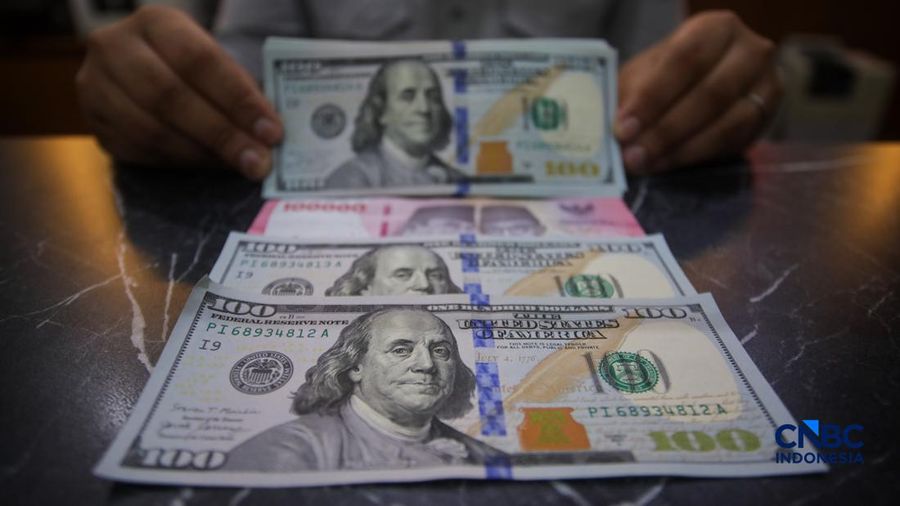
- Denomination Penalties: Physical condition matters significantly; older or torn bills, or smaller denominations like twenty- and fifty-dollar notes, often trade at a discount compared to crisp, pristine hundred-dollar bills.
- Counterfeit Risks: Handling unverified physical cash introduces the risk of accepting fraudulent currency.
Economic Impact on Citizens and Businesses
The existence of a dual-rate economy creates severe distortions for domestic commerce. Local businesses often find themselves caught between official pricing rules and replacement costs tied to the parallel market. Importers struggle to access official dollars to buy goods abroad, forcing them to price retail inventories based on informal replacement costs rather than official accounting metrics.
For ordinary citizens, wages earned in pesos lose purchasing power steadily as inflation outpaces salary adjustments. Saving in pesos becomes financially punitive, pushing even middle-class households to convert spare income into physical greenbacks or alternative digital assets as a defensive measure. This behavioral shift reinforces the cycle, as domestic currency velocity increases and trust in local monetary policy erodes further.
Official data highlights the structural nature of this crisis. Over the past century, Argentina has cycled through multiple currency regimes, dropping thirteen zeros from its legal tender across various redominations. Each iteration aimed to restore stability, yet underlying fiscal deficits and recurring debt crises frequently triggered new rounds of inflation.
Evolution of Exchange Rates and Recent Shifts
The landscape of Argentine foreign exchange has transformed significantly. Following policy shifts and sweeping adjustments implemented by the administration of President Javier Milei, the historic gaps between official bank rates, electronic payment rates (dólar MEP), and informal cash rates have largely compressed.
Where travelers once encountered a massive hundred-percent premium on the black market, regulatory convergence has brought official and parallel values close together. Credit cards issued abroad now clear at electronic market rates that closely match physical cash alternatives, reducing the logistical headaches previously associated with traveling through the country.
Despite this convergence, the underlying psychological reliance on the U.S. dollar persists. Real estate transactions, vehicle sales, and long-term contracts across Argentina continue to be denominated and settled in dollars. The parallel market remains an important indicator of structural confidence, reflecting how deeply dollarization is rooted in the commercial habits of the population.
Frequently Asked Questions
Is using the informal market legal in Argentina?
While the informal exchange houses operate outside central bank regulations, the act of buying and selling foreign currency informally exists in a distinct legal gray area. Enforcement historically targeted large-scale operators rather than individual retail exchangers, but regulatory frameworks shift depending on current fiscal policy.
Why do physical bill conditions matter so much?
In informal cash markets, physical condition serves as an immediate verification metric. Pristine, unmarked, newer-series hundred-dollar bills move fastest and command the best rates because they are easier to verify and recirculate internationally without discount penalties.
How does inflation drive the parallel exchange rate?
When domestic inflation runs significantly higher than global inflation, the local currency loses intrinsic purchasing power. If the central bank attempts to artificially freeze the nominal exchange rate, the real value of the peso drops, forcing the parallel market to adjust upward to reflect true purchasing power parity.
Will Argentina completely replace the peso with the U.S. dollar?
While full official dollarization has been proposed and debated as a radical remedy to chronic inflation, implementing it requires massive foreign exchange reserves that the central bank does not readily possess. Instead, monetary policy has focused on fiscal balancing, deregulation, and stabilization.



