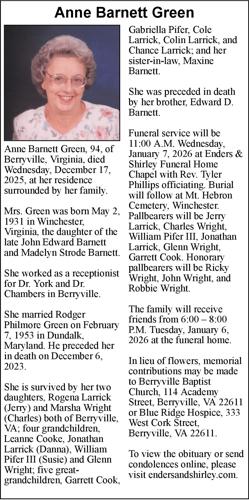
We often flip past the obituary pages, seeing only a grim ledger of dates and names. Yet these brief notices contain a rich social history of everyday lives, community changes, and localized struggles. Behind every brief mention lies a snapshot of a community at a specific crossroad in time, capturing details that official government censuses completely miss.
Old death notices do more than mark a passing; they record shifting employment patterns, immigration waves, medical milestones, and social dynamics. When you read past the basic facts, you start to see how ordinary people navigated extraordinary historical shifts. Let's look at why these historical records matter and how you can mine them for real historical insights.
The Hidden Archives: What Death Notices Reveal
Standard historical texts focus on politicians, wars, and major economic crashes. Death notices fill the gaps by documenting the silent majority. They show us who lived in a neighborhood, what jobs sustained local economies, and how families coped with crisis.
For instance, looking at local notices from the 1918 influenza pandemic or the Great Depression reveals sudden spikes in youth mortality, changes in household structures, and the emergence of mutual aid networks. You see grandparents raising grandchildren, women entering the workforce in droves, and immigrant communities preserving cultural traditions through burial societies.
Genealogists and social historians treat these records as primary sources because they capture localized reality. A single notice might list a neighborhood carpenter, the name of a local church, and the maiden name of a mother—linking three different family branches and a local institution in a single paragraph.
Evolution of the Notice Format
The way we write about the deceased has changed dramatically over the last two centuries. Understanding these shifts helps you extract accurate context from old archives.
In the nineteenth century, notices were strictly utilitarian. They read like classified ads: name, age, date of death, and time of the funeral service. Newspapers charged by the line, so brevity was essential. You rarely found emotional descriptors or life summaries.
By the mid-twentieth century, local papers began expanding these notices into short biographical sketches, especially for prominent community figures, war veterans, or long-time business owners. Families started including surviving relatives, club memberships, and military service records.
Today, digital archives and online memorial sites allow for long-form tributes, photo galleries, and interactive comment sections. This shift transforms a private announcement into an accessible public archive, making it much easier to trace family trees across digital platforms like the Library of Congress Chronicling America database.
Practical Steps for Historical Research
If you're digging into local archives or family history, treating death notices as a research roadmap yields the best results. Don't just read the text; analyze the network of names and places mentioned.
Start by cross-referencing names with local census data from the same decade. If a notice mentions a specific employer or union hall, search trade directories from that year. This builds a complete picture of the person's daily life and economic standing.
Check for survivors who share the same surname or address. Women's names are often hidden behind husbands' names in older records, so look for phrases like "relict of" or surviving daughters listed by married names. This approach helps you map out entire family trees across generations.
Pay attention to the naming of hospitals, cemeteries, and religious institutions. These locations point you toward other local archives, church registries, and municipal records that hold deeper documentation. You can often cross-check cemetery records using public tools like [Find a Grave](https://www.find a grave.com) to verify dates and locate physical headstones.
Common Research Pitfalls
Researching historical death notices isn't always straightforward. Several common traps can throw off your historical or genealogical work.
Spelling errors are rampant in older newspapers, especially for immigrant families whose names were phoneticized by typesetters. Always search using wildcards or phonetic variations. If a surname is "Schmidt," search for "Smith," "Schmitt," or partial matches like "Schm*."
Don't assume familial relationships based solely on proximity in the text. In older columns, executors, business partners, or boarders were sometimes listed alongside family members without clear labels. Always verify relationships through secondary sources like wills, land deeds, or birth certificates.
Another mistake is ignoring the context of the publication date. A notice published weeks after a sudden death might contain updated information, while delayed reporting was common in rural areas due to slow mail delivery and winter weather.
Frequently Asked Questions
Why are old death notices so short compared to modern ones?
Nineteenth- and early-twentieth-century newspapers charged families by the word or line. Space on the page was expensive and tightly managed, forcing writers to keep entries strictly factual and concise.
Where can I find digitized historical archives online?
You can search free databases like the Library of Congress Chronicling America project, Google News Archive, or regional digital library projects hosted by provincial and state historical societies.
How do I find maiden names when the notice only lists a husband's name?
Look for surviving relatives mentioned in the text, check wedding announcements from previous years in the same paper, or cross-reference the family with census records that list full names and birth locations.
Are historical death notices completely accurate?
Not always. Information was often provided by grieving family members under stress or recorded over the phone by busy reporters, leading to occasional errors in ages, spelling, and dates.



