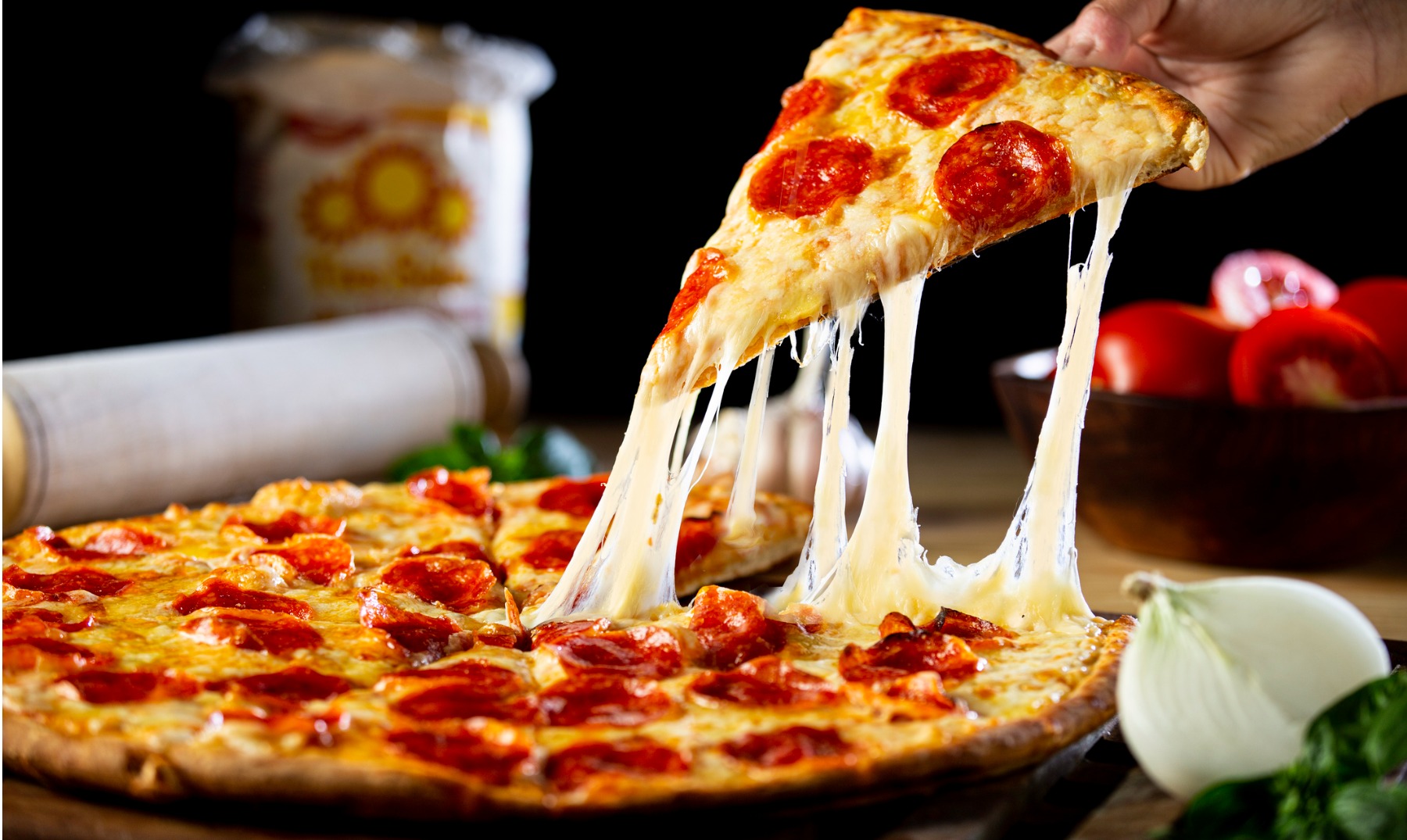
If you're craving a slice but want to align your spending with your principles, you've likely noticed that major global chains like Domino's, Pizza Hut, and Papa John's frequently land on consumer boycott lists. Finding independent pizzerias or regional chains that haven't been caught up in corporate controversies can take extra legwork. Knowing where to look helps you enjoy a fast, reliable meal without second-guessing your receipt.
Independent local pizzerias and regional chains that operate entirely outside major corporate conglomerates offer the most straightforward path forward. These spots let you skip the global franchise machinery entirely. Let's break down how to find these unboycotted options, what to watch out for in corporate ownership structures, and how to verify independent alternatives in your neighborhood.
Understanding the Landscape of Fast Food Boycotts
Consumer activism heavily targets massive multinational food corporations due to foreign franchise actions, corporate political donations, or labor disputes. When international chains face coordinated grassroots pressure, millions of customers look for alternative comfort food options.
Corporate structure often confuses casual diners. A local store might look like an independent small business, but it's frequently tied to a master franchise agreement that sends royalties straight back to a controversial parent company. To truly avoid supporting targeted brands, you have to look past the neon sign at the storefront and examine who owns the trademark.
The Problem With Master Franchise Models
Many global brands operate through master franchisees—large regional holding companies that buy the exclusive rights to open hundreds of locations across entire countries or continents.
- Even if a local branch manager or franchise owner disagrees with corporate policies, revenue sharing still funnels money up to the parent entity.
- Supply chain contracts often mandate purchasing proprietary dough mixes, sauces, and equipment from corporate-approved vendors.
- Public statements from corporate headquarters rarely reflect the localized opinions of individual franchise workers, but financial metrics track aggregate system-wide sales.
Regional Chains That Remain Independent
If you prefer the consistency and speed of a chain rather than a mom-and-pop shop, several regional pizza companies operate independently of the major multinational conglomerates. These businesses usually focus on specific states, provinces, or countries, meaning their supply chains and corporate governance remain local.
For example, regional favorites across North America such as Hungry Howie's, Jet's Pizza, or localized regional brands often maintain private ownership structures. Because they don't answer to Wall Street shareholders or global parent groups, they stay entirely clear of international boycott lists.
Always check the current corporate alignment of any regional chain before ordering, as mergers and acquisitions happen frequently in the restaurant industry. Private equity firms buy up mid-sized chains regularly, which can quietly shift a previously independent brand into a larger corporate portfolio.
The Safest Bet: Local Independent Pizzerias
Independent neighborhood pizzerias provide the most reliable option for conscious consumers. When you buy from a locally owned shop, your money stays within the community, supporting local families and local staff rather than corporate executives overseas.
Why Local Shops Win on Transparency
- Sourced locally: Most independent kitchens buy produce, cheese, and flour from regional distributors rather than centralized corporate warehouses.
- Direct accountability: The person making your pizza is usually the owner or someone who has a direct stake in the neighborhood's reputation.
- Customization: Independent shops adjust recipes easily, cater to unique dietary needs, and adapt menus to seasonal ingredients.
You can discover these hidden gems by stepping away from major delivery apps that prioritize heavily advertised corporate chains. Search map services using terms like "independent wood-fired pizza near me" or check community forums where residents share local favorites.
Common Mistakes When Screening Pizza Brands
Navigating consumer boycotts gets tricky when misinformation spreads online. Avoid these common pitfalls when trying to pick an unboycotted dinner spot:
- Assuming all delivery apps show local options: Major third-party delivery platforms use algorithmic ranking systems that push sponsored corporate giants to the top of your screen. You have to scroll past the ads to find independent listings.
- Confusing a brand name with ownership: A pizza place might have a rustic, local-sounding name, but it could still be a subsidiary of a massive multinational food conglomerate.
- Ignoring supply chain realities: A restaurant might be locally owned, but if it relies entirely on ingredients supplied by blacklisted corporate mega-suppliers, your dollars still indirectly support those supply networks.
Frequently Asked Questions
Are frozen grocery store pizzas safer to buy?
Many frozen pizza brands are owned by massive food conglomerates like Nestlé or Kraft Heinz. If you want to avoid corporate entanglements, check the parent company listed on the back of the box rather than just looking at the brand logo. Look for smaller, organic, or store-brand options that explicitly state independent manufacturing origins.
How can I verify who owns a local pizza chain?
Head to the company's official "About Us" page or check business registration databases online. If the brand is privately held by a family or local founders, it's generally distinct from publicly traded global fast-food giants. You can also consult ethical consumer databases like Ethical Consumer to research broader parent company behaviors.
Do local pizzerias cost more than major chains?
Not necessarily. While mass-market chains rely on cheap, highly processed ingredients to offer ultra-low-margin promotional deals, many independent pizzerias offer competitive lunch specials, family bundles, and slice deals that match corporate pricing while delivering significantly higher quality.
What should I do if my favorite local spot gets bought out?
Corporate consolidation happens constantly. If an independent shop gets acquired by a larger holding company, keep an eye out for news updates or check consumer advocacy platforms like Boycott Buddy to see if the new parent corporation matches your purchasing criteria.



