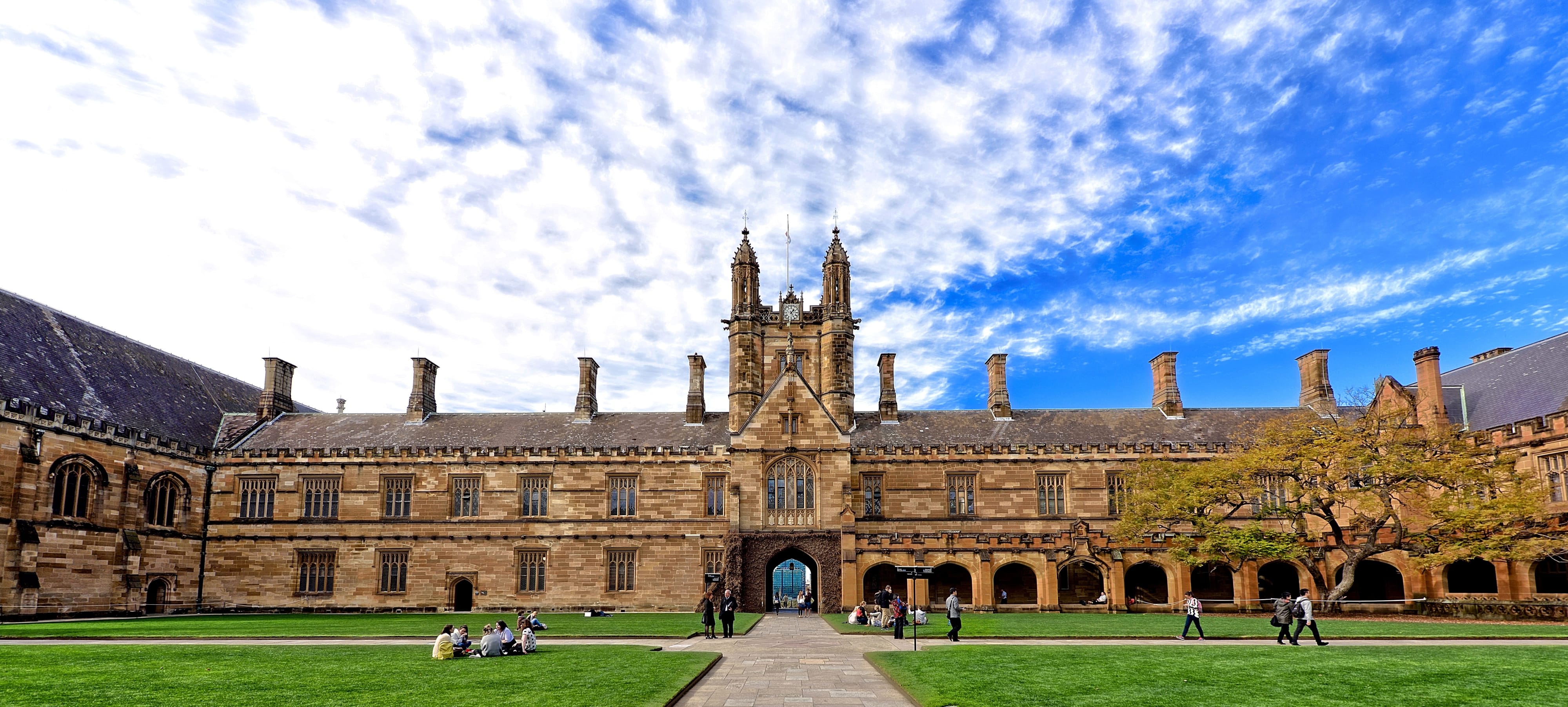
The University of Missouri-St. Louis operates as a primary higher education engine for the metropolitan area, generating over $522.5 million annually for the regional economy. Rather than functioning as an isolated collegiate bubble, this institution intertwines its daily operations directly with local workforce development, urban transit networks, and neighborhood revitalization. Understanding how the campus shapes regional mobility requires looking beyond standard enrollment numbers to examine targeted strategic initiatives.
Economic and Regional Footprint
Public research institutions serve as financial anchors for their host communities, and this campus anchors both St. Louis County and the city proper. Economic analyses conducted by Tripp Umbach demonstrate that university operations sustain thousands of jobs across the region. Beyond direct employment, the university influences local commerce through targeted procurement policies and community partnerships.
The institution co-founded the St. Louis Anchor Action Network alongside corporate partners to address decades of geographic and economic disinvestment. This initiative prioritizes local hiring, purchasing, and infrastructure investments within specific urban ZIP codes. By directing institutional spending toward historically underserved neighborhoods, the university generates tens of millions of dollars in localized economic activity, proving that anchor institutions can actively rebuild their surrounding urban cores.
The Transform UMSL Master Plan
Physical infrastructure heavily dictates student success and community engagement. To modernize its footprint, the university launched Transform UMSL, a $110-million capital improvement initiative. This project reconfigures the physical campus layout to centralize student services, upgrade academic facilities, and enhance accessibility.
Key elements of this spatial evolution include:
- Campus consolidation: Relocating core student resources to central hubs to minimize transit friction between classes.
- Transit-oriented development: Leveraging regional light-rail access to promote sustainable, car-free commuting options for students and staff.
- Modernized learning environments: Expanding HyFlex classroom technology to accommodate flexible learning models for non-traditional and working students.
- On-campus residential growth: Upgrading student housing options to drive higher occupancy rates and foster a more vibrant campus community.
These physical updates align with the broader Strategic Plan for 2023–2028, which emphasizes sustainability, modern pedagogical infrastructure, and place-making.
Enrollment Trends and Student Demographics
Serving a diverse student body requires balancing traditional academic pipelines with flexible pathways for adult learners. Total enrollment hovers near 15,000 students, with a significant portion attending part-time while balancing careers and families. This demographic reality shapes how academic programs are delivered, forcing a shift toward evening classes, online modules, and accelerated certificate tracks.
To improve student persistence, the institution focuses on several operational shifts:
- Retention benchmarks: Establishing targeted goals for year-over-year retention increases across all undergraduate and graduate programs.
- Financial transparency: Providing clear cost breakdowns and scholarship pathways to minimize student loan reliance.
- Workforce alignment: Designing curricula that respond directly to regional hiring demands in healthcare, geospatial intelligence, and education.
More than 75% of graduates choose to live and work locally after completing their degrees, creating a direct talent pipeline that strengthens the economic competitiveness of the entire St. Louis metropolitan area.
Future Trajectory and Strategic Outlook
Looking toward the remainder of the decade, the institution faces the dual challenge of declining traditional college-age populations nationwide while meeting heightened regional demands for skilled labor. The strategic blueprint relies heavily on expanding research capacity, particularly in applied sciences and community-engaged research. By translating campus innovations into market-ready solutions, the university aims to spur greater commercialization and high-tech job creation locally.
Sustaining this trajectory depends on maintaining affordable tuition pricing relative to national doctoral peers while scaling support services for first-generation college students. As higher education undergoes rapid transformation, the institution's commitment to accessibility and regional partnership positions it as a model for modern metropolitan universities.
Frequently Asked Questions
What is the annual economic impact of the university?
Independent economic analyses show that the university contributes more than $522.5 million annually to the St. Louis metropolitan area economy while sustaining thousands of local jobs.
How does the university support local neighborhoods?
Through initiatives like the St. Louis Anchor Action Network, the institution focuses on local hiring, procurement, and infrastructure investment in historically disinvested urban ZIP codes.
What is the Transform UMSL initiative?
It is a $110-million capital improvement project designed to modernize campus facilities, consolidate student services, upgrade technology, and improve residential spaces.
What percentage of graduates stay in the local area?
More than 75% of graduates choose to remain in the St. Louis region after graduation, directly bolstering the local professional workforce.



