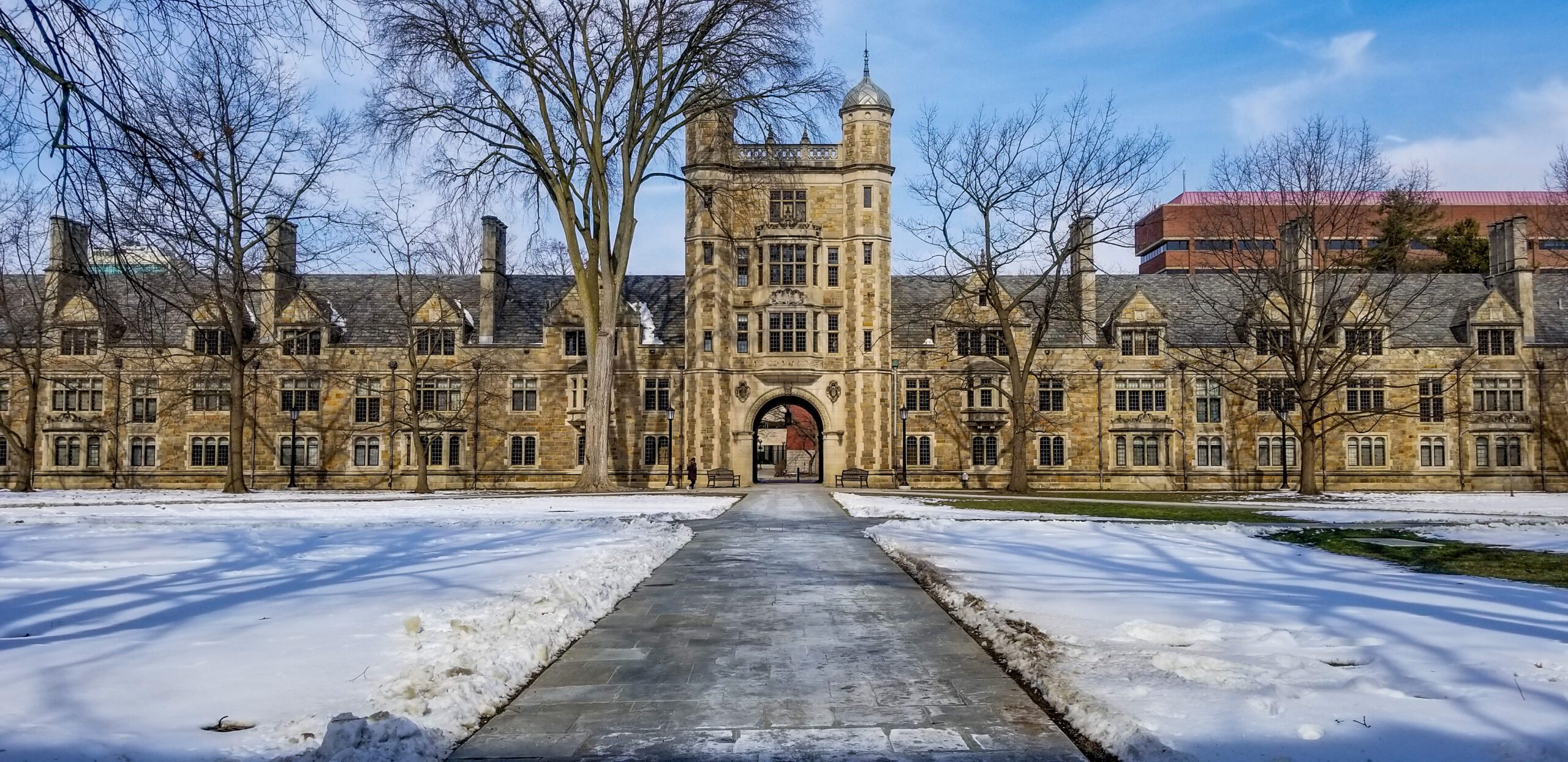
Choosing an undergraduate concentration at the University of Michigan often means navigating dozens of overlapping options, especially for students interested in medicine and public policy. The Biology, Health, and Society major—frequently called the BHS major—sits at the intersection of life sciences and social institutions. It attracts pre-professional students who want a rigorous biological foundation without committing to a pure molecular or cellular track.
If you're mapping out your course schedule or deciding whether to declare, you need a clear breakdown of prerequisites, credit totals, and course groups. Let's look at what the curriculum demands and how it shapes your undergraduate trajectory.
Decoding the BHS Major Requirements
The BHS curriculum requires careful planning because it combines sequential science labs with upper-level electives across multiple departments. You can't just pick classes at random; you have to satisfy specific structural tiers set by the U-M College of Literature, Science, and the Arts.
Introductory Science Prerequisites
Before you can dive deep into upper-level electives, you have to clear the foundational science sequence. These classes weed out unprepared students and establish the baseline needed for advanced study.
- Introductory Biology: You must complete Biology 171, Biology 172 (or 174 for problem-solving formats), and the Biology 173 lab. Alternatively, qualifying AP or IB scores grant credit for Biology 195 and 196.
- General Chemistry: Chemistry 130 (or equivalent transfer/AP credit) serves as a core co-requisite or prerequisite for cell biology coursework.
- Quantitative Skills: Most students complete at least one semester of calculus (such as Math 115) alongside an approved introductory statistics course like Stats 250 to prepare for data-heavy health research.
Core Coursework and Group Options
Once prerequisites are finished, the major requires a minimum of 24 credits at the 200-level and above within the major itself, alongside maintaining a cumulative 2.0 GPA. You split your electives between biological depth and societal breadth.
- Gateway Biology (Group A): Choose at least two courses from options like Microbiology (Biology 207), Cell Biology (Biology 225), or Genetics-adjacent topics to build laboratory competency.
- Health and Society (Group B): Choose at least two courses that explore sociology, anthropology, or public health angles, examining how human systems interact with disease and care delivery.
- Core Biology (Group C): Complete upper-level requirements covering genetics (Biology 305), biochemistry, ecology, or evolutionary biology.
Navigating Common Pitfalls in Course Selection
Many sophomores hit roadblocks because they mismanage lab requirements or delay statistics. One major mistake is taking heavy organic chemistry and gateway biology simultaneously during a fall term, which tanks GPAs.
Another issue involves misunderstanding double-counting rules. If you're pursuing a minor in complex systems or global health, check departmental limits on how many credits can overlap between your minor and your BHS degree. Always meet with an official biology advisor early in your second year to map out a term-by-term plan.
Career and Professional Outcomes
Because the curriculum blends human biology with social perspectives, graduates find work across several distinct fields. It functions as a popular alternative to traditional zoology or molecular biology tracks for pre-health students.
- Clinical Careers: Many alumni use the GPA and science foundation to apply for medical, dental, or physician assistant programs.
- Public Health and Policy: The sociological component prepares graduates for roles in healthcare administration, epidemiological research, or non-profit advocacy.
- Biotechnology Industry: Laboratory components and genetics coursework translate well into entry-level research assistant positions in hospital labs or private biotech firms.
Frequently Asked Questions
Can I declare the BHS major before finishing chemistry?
Yes. You don't need every single prerequisite completed to declare, but you should finish your introductory biology sequence with a 2.0 or better before making an appointment with a department advisor.
How does BHS differ from a standard General Biology major?
General Biology leans heavily toward molecular, organismal, or ecological research. BHS forces you to balance those biological sciences with social science electives that address healthcare access, ethics, and human populations.
Is the BHS major friendly to premed students?
Extremely. Most medical school prerequisites—including general chemistry, organic chemistry, biology labs, and biochemistry—overlap naturally with the BHS course requirements, saving room in your schedule for MCAT preparation.
Can I do research for course credit?
Yes. Independent research courses in departments like Ecology and Evolutionary Biology (EEB) or Molecular, Cellular, and Developmental Biology (MCDB) can often count toward your upper-level elective requirements after faculty approval.



