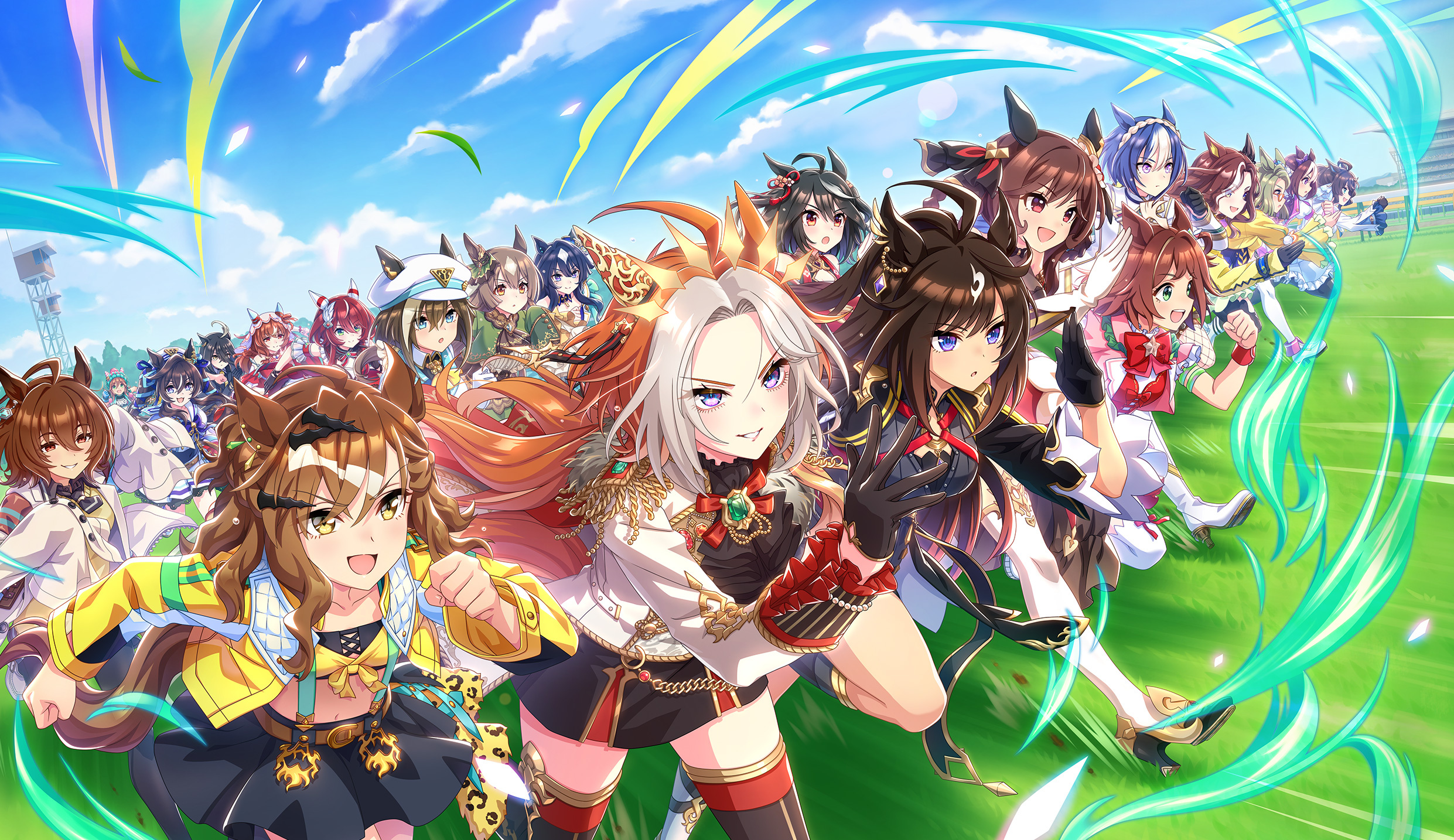
Navigating the Japanese server of Cygames' massive multimedia hit requires keeping track of an expanding roster of trainees, support cards, and event event triggers. If you're hunting for a comprehensive database to manage your training runs, you need more than a simple text checklist; you need structural breakdowns of character aptitudes, growth rates, and card synergies.
The primary search intent behind looking up a Japanese server tracker centers on staying ahead of meta shifts, checking base stat distributions, and translating skill requirements accurately. Because the Japanese client receives updates months ahead of any other version, players rely on structured indexes to plan their gacha pulls, inheritances, and Champions Meeting strategies without wasting hard-earned resources.
Core Trainee Database Layout
Every playable horse girl in the Japanese version features specific baseline aptitudes for surface types, distances, and running strategies. When you're evaluating a new pull or planning a legacy factor loop, look past the character's initial rarity and examine their growth rate distribution.
- Distance Aptitudes: Characters range from short-distance sprinters like Sakura Bakushin O to long-distance specialists like Gold Ship and Mejiro McQueen. Matching a trainee's natural turf and distance proficiencies avoids costly skill point investments during training.
- Strategy Styles: Front-runners (Nige), Pace-chasers (Senkou), Betweeners (Sashi), and Closers (Oikomi) dictate which skill triggers will fire consistently during races.
- Growth Rates: Trainees feature built-in stat growth bonuses (such as plus-twenty percent to Speed or Stamina) that fundamentally shape how you build training decks for URA Finals, Aoharu Cup, or Grand Masters scenarios.
For official updates, character announcements, and event schedules directly from the developers, check the Cygames Official Umamusume Portal.
Support Card Synergy and Deck Building
Characters alone won't clear high-difficulty training goals. Your support card deck determines which skills your trainee learns and how fast their stats grow during turn-based actions. Building an efficient support deck requires balancing card types—Speed, Stamina, Power, Guts, and Wisdom—alongside unique event chains.
- Friend and Group Cards: Cards like Riko Kashimoto or Tazuna Hayakawa provide vital mood upkeep, energy recovery, and injury prevention, stabilizing your run through long career arcs.
- Stat Bonuses and Race Bonuses: High-tier support cards feature cumulative race percentage bonuses that multiply skill points earned at the end of targeted calendar races.
- Event Chains: Knowing whether a support card choice triggers a random negative status or a rare skill hint can make or break a training run. Dedicated community tools like GameTora Umamusume Database help map out exact choice outcomes.
Managing Inheritance Factors
The secret to raising high-tier champions in the Japanese version lies in parent selection. Grandparent and parent compatibility determines initial stat boosts and the inheritance of unique skills.
- Circle Compatibility: Matching characters with high historical or thematic affinity scores (such as Special Week and Silence Suzuka) increases the frequency of successful blue, red, and green factor triggers at race milestones.
- Blue Factors: These provide flat stat increases at the start of training and during inheritance phases. Farming high-star speed or stamina blue factors remains a primary daily routine for veteran players.
- Red and Green Factors: Red factors upgrade surface or distance aptitudes (turning a B-rank into an A-rank), while green factors pass down unique character skills for unexpected tactical advantages in PvP modes.
Common Training Mistakes to Avoid
Many players hit a brick wall during career scenarios because they mismanage their training turns or ignore hidden mechanics.
- Ignoring Rest Turns: Pushing a trainee while their motivation is low or their failure rate climbs above fifteen percent often results in bad conditions like Overwork or Sluggish, ruining the run.
- Overlooking Wisdom Stats: Neglecting Wisdom leaves your horse girl trapped in traffic during crucial final stretches because she lacks the positioning awareness to escape blocked lanes.
- Chasing Too Many Stats: Spreading training points evenly across all five attributes usually creates a mediocre runner. Focus on two primary stats based on the character's growth rates and distance requirements.
Frequently Asked Questions
How do I translate Japanese skill text in real-time?
Many players use screen-translation overlay tools on PC or mobile devices to read passive skill descriptions, debuffs, and event choices instantly without needing fluent Japanese literacy.
What makes a support card worth limit breaking?
Support cards usually unlock significant milestones at Limit Break level 3 (starting bond gauge or special effects) and level 4 (maximum stat bonuses and race bonuses), making duplicate pulls vital for end-game optimization.
Why are certain low-rarity characters still meta-relevant?
Certain base-rarity or event-distributed characters possess unique passive skills or favorable growth distributions that outperform higher-rarity alternatives in specific racing tracks or Champions Meeting rulesets.
How often does the Japanese client receive new characters?
Cygames typically introduces new trainees and support banners alongside monthly story events and Champions Meeting PvP brackets, keeping the meta dynamic and rewarding resource hoarding.



