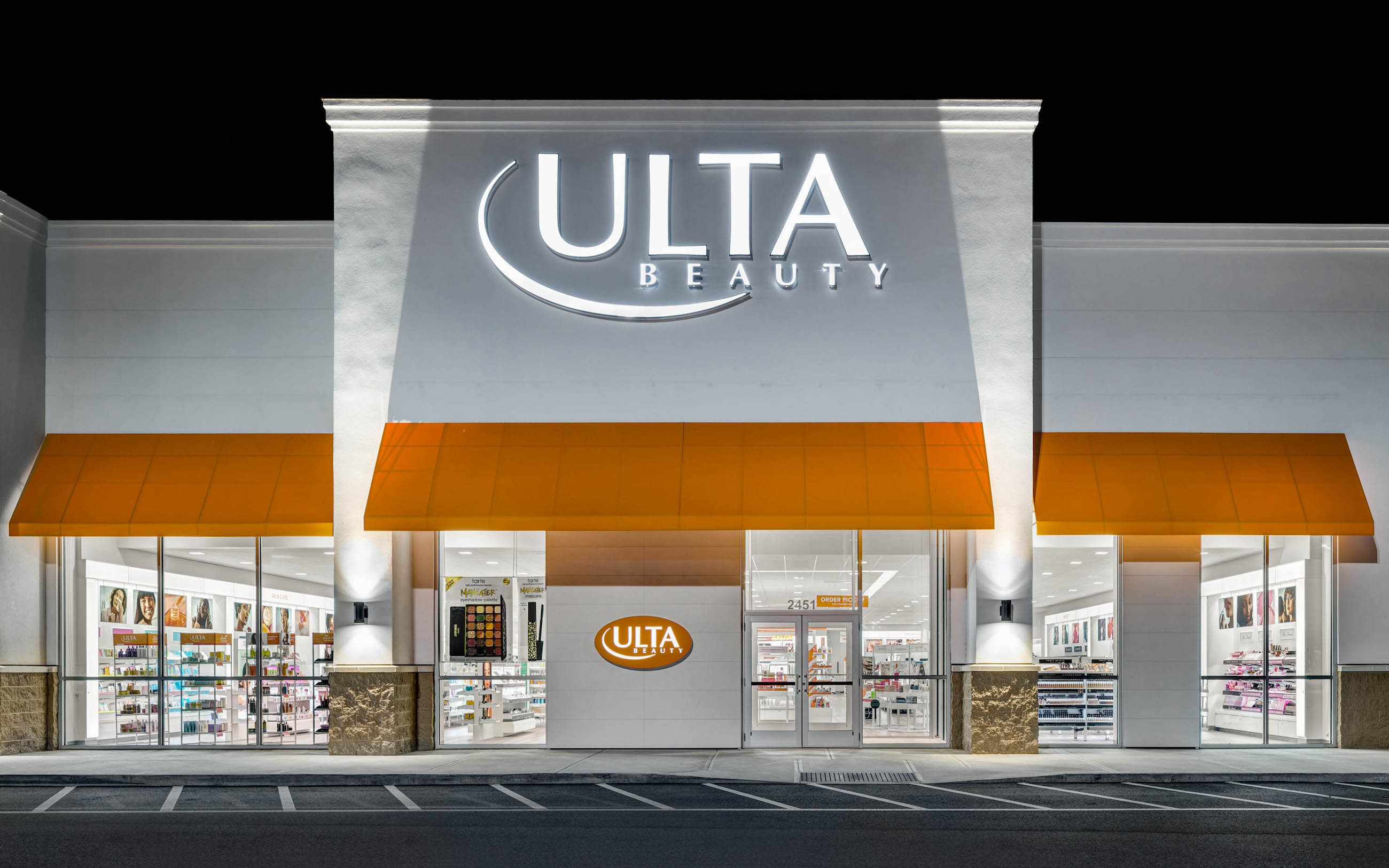
If you spend a small fortune on makeup, skincare, and salon services every year, store-branded plastic looks tempting. The Ulta Beauty Rewards Mastercard aims squarely at beauty enthusiasts who want to accelerate how fast they stack up loyalty points. But store-affiliated cards carry specific risks, high interest rates, and limitations that can bite you if you don't pay your statement in full every single month.
Issued by Comenity Bank, the program splits into two versions: a closed-loop store card that only works at Ulta, and the open-loop Mastercard that you can swipe anywhere. This breakdown focuses primarily on the Mastercard variant, examining how its earning structure, reward redemption tiers, and hidden costs stack up against ordinary cash-back cards.
Understanding the Ulta Mastercard Reward Structure
The core appeal of the card rests on multiplying points within the standard Ultamate Rewards ecosystem. By default, regular loyalty members earn one point per dollar spent at Ulta. When you use the credit card, you double that base rate by adding one extra point per dollar on all eligible Ulta purchases.
Your total return depends heavily on your existing loyalty tier status:
- Regular Member: Earns a total of 2 points per dollar (1 base + 1 card bonus).
- Platinum Member: Earns a total of 2.25 points per dollar (1.25 base + 1 card bonus).
- Diamond Member: Earns a total of 2.5 points per dollar (1.5 base + 1 card bonus).
Outside of Ulta, the Mastercard version earns a flat rate of 1 point for every $3 spent wherever Mastercard is accepted. That equates to roughly 0.33 points per dollar on everyday purchases, which lags far behind standard 2% cash-back credit cards.
Welcome Offers and First-Purchase Discounts
New cardholders typically receive 20% off their first qualifying purchase when they open and use the account the same day. For a large haul on expensive hair tools or luxury perfumes, that initial discount yields immediate savings.
You might also encounter promotional spend bonuses, such as earning extra bonus points when hitting specific spending thresholds outside the retailer during your first few months. Always read the fine print on these offers because spending requirements can trigger unnecessary purchases just to hit a bonus.
Point Redemption Value and Stacking Strategy
Points don't hold a fixed cash value; instead, their worth increases the longer you hoard them before redeeming. Cashing out points in small increments gives you a lower return, while saving them up to higher tiers maximizes your purchasing power.
- 100 points: Worth $3.00 toward purchases (3 cents per point).
- 250 points: Worth $8.00 (3.2 cents per point).
- 500 points: Worth $17.50 (3.5 cents per point).
- 1,000 points: Worth $50.00 (5 cents per point).
- 2,000 points: Worth $125.00 (6.25 cents per point).
Reaching the 2,000-point threshold yields an impressive 6.25 cents per point in value when applied to store merchandise or salon treatments. Furthermore, you can stack these point redemptions with manufacturer coupons and store promotions, amplifying your overall discount during big shopping events like the 21 Days of Beauty.
Hidden Costs, Fees, and High Interest Rates
While the card carries a $0 annual fee, it harbors several financial landmines that you must manage carefully.
The most prominent danger is the variable Annual Percentage Rate (APR), which hovers around 23.09% to 32.0% based on your creditworthiness. If you carry a balance from month to month, the interest charges will wipe out any rewards you earned instantly. Beauty products bought on a high-interest credit card turn out very expensive by the time you pay them off.
If you plan to travel internationally, keep in mind that the card charges a 3% foreign transaction fee on purchases made outside the United States. Additionally, late payment penalties can add up quickly, reaching up to $41 depending on your account history.
Approval Odds and Application Process
When you apply for the card on the official Ulta Credit Card Page, Comenity Bank evaluates your credit score. If your credit profile isn't strong enough to qualify for the Mastercard version, you might get approved instead for the closed-loop store card, which restricts your spending strictly to Ulta locations and their website.
Most applicants look for fair-to-good credit scores (typically 640 or higher) to secure approval, though individual financial history, income, and debt-to-income ratios also play critical roles in the decision.
Frequently Asked Questions
Do Ulta credit card points expire?
For standard members, points expire at the end of a calendar quarter one year after they're earned. However, if you hold Platinum or Diamond tier status, your points will not expire as long as you maintain that tier.
Can I use my Ulta Mastercard to pay for salon services?
Yes. You earn double points on both retail merchandise and in-store salon services, making it a solid option if you regularly get your hair, brows, or skin treated at an Ulta location.
Is the Mastercard version better than the store card?
The Mastercard offers superior flexibility because you can use it anywhere Mastercard is accepted and earn minor rewards on outside spending. Both cards share the same $0 annual fee and Ulta earning rates, so qualifying for the Mastercard gives you more utility without extra cost.
How do I avoid paying interest on this card?
Pay your statement balance in full by the due date every single month. Because retail credit cards feature exceptionally high APRs, treating the card like a debit card prevents finance charges from eating up your savings.


