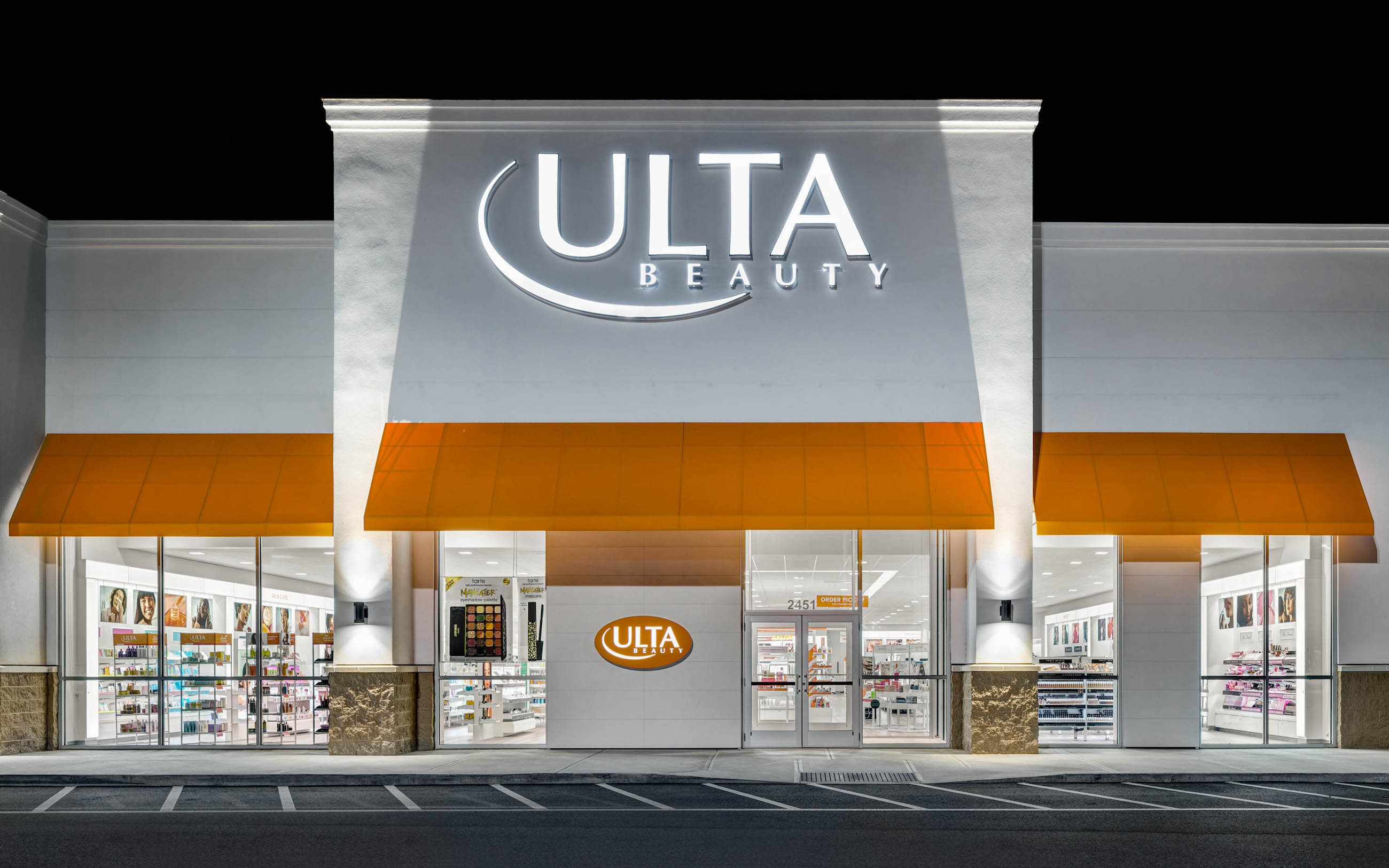
Ulta Beauty drives customer spend and store revenue by tightly integrating private label and co-branded credit cards with its massive loyalty ecosystem. Rather than treating checkout as a transactional endpoint, the retailer uses payment options to accelerate point accumulation, boost average order values, and capture first-party behavioral data.
Understanding how Ulta structures its financial touchpoints reveals a blueprint for modern specialty retail. By merging card programs with omnichannel touchpoints, the brand transforms routine purchases into long-term customer lifetime value.
The Role of Co-Branded and Private Label Cards
Financial partnerships form a quiet yet powerful pillar of retail income. Beyond merchandise sales and salon services, Ulta generates direct financial revenue through its credit card programs. These products serve two distinct purposes at the register: immediate basket-size expansion and ongoing customer retention.
When a shopper signs up for an Ulta Beauty credit card, they unlock accelerated rewards structures. Cardholders earn bonus points per dollar spent, which creates an incentive to consolidate all beauty purchases within the ecosystem.
- Immediate Incentives: New cardholders typically receive an instant discount on their initial purchase, lowering acquisition barriers.
- Ecosystem Lock-In: Because points translate directly into discounts on future prestige or mass-market products, cardholders return more frequently.
- Data Capture: Every swipe feeds rich transaction data into the retailer's customer data platform, mapping precise brand preferences and purchasing cadences.
Integrating Loyalty Tiers with Payment Methods
Ulta's loyalty program boasts over 44 million active members, and these participants account for over ninety-five percent of total sales. The credit card acts as an accelerant within this tiered framework. Platinum and Diamond members already spend significantly more per year than standard shoppers. Adding a dedicated credit product gives these high-value customers a tool to maximize their tier benefits.
Payment integration goes beyond plastic cards. By partnering with flexible digital payment providers like Klarna, Ulta accommodates shoppers who prefer installment structures without taking on direct credit risk. This flexibility reduces cart abandonment online and in the app, allowing customers to purchase higher-ticket items like premium hair styling tools or luxury skincare sets.
Omnichannel Checkout and Friction Reduction
Revenue optimization relies heavily on removing friction at every point of sale. Ulta bridges physical stores and digital channels by ensuring that loyalty identification and payment processing happen in a unified flow.
In-store point-of-sale terminals prompt cashiers to look up loyalty accounts using phone numbers, instantly syncing the payment method with the customer's profile. Online and mobile checkouts save preferred credit cards and digital wallets securely, reducing friction for repeat buyers. Because the mobile app accounts for a dominant share of digital commerce, streamlining mobile payment security directly protects top-line digital revenue.
Measuring Financial Impact on Store Revenue
Retail performance depends on increasing both visit frequency and transaction size. Credit and loyalty integration directly influences these core metrics:
- Average Order Value (AOV): Cardholders and loyalty tier members consistently add more items to their baskets to hit free shipping thresholds or maximize point earnings.
- Customer Lifetime Value (CLV): Emotional brand connection driven by rewards and tailored financial perks multiplies long-term spend.
- Ancillary Revenue Streams: Financial services revenue from credit portfolios adds a high-margin revenue layer alongside traditional inventory sales.
You can read more about how major retailers structure financial services in official SEC filings or explore consumer insights directly on the Ulta Investor Relations portal.
Common Pitfalls in Retail Payment Strategy
Many retailers struggle to replicate this model due to execution errors. A poorly implemented credit offering can alienate shoppers if approval processes are slow or opaque at checkout. Furthermore, brands often fail to connect payment data with marketing automation tools, rendering the collected transaction data useless. Ulta avoids these traps by ensuring that card benefits are communicated clearly before the customer reaches the payment terminal, framing the card as a reward tool rather than a debt trap.
Frequently Asked Questions
What are the main benefits of the Ulta Beauty credit card?
Cardholders earn elevated reward points on purchases made at the retailer, receive introductory discounts on their first transaction, and accumulate points that do not expire as long as the account remains in good standing.
How do credit card programs influence customer retention?
By offering accelerated rewards, the card gives consumers a financial incentive to avoid competitor beauty supply stores, thereby increasing repeat purchase rates and overall brand loyalty.
Does Ulta accept alternative digital payment methods?
Yes. Alongside traditional credit and debit cards, checkout options include digital wallets like Apple Pay and Google Pay, as well as buy-now-pay-later services for digital orders.
How does payment data tie into marketing personalization?
Transaction data captured at checkout feeds directly into customer data platforms, allowing the brand to send targeted replenishment reminders and personalized promotions based on past buying behavior.


: Complete Survey Guide and Rewards](https://www.simpleeverydaymom.com/wp-content/uploads/2023/10/Pilgrim-Photo-Craft-for-Thanksgiving-image-559x1024.jpg)