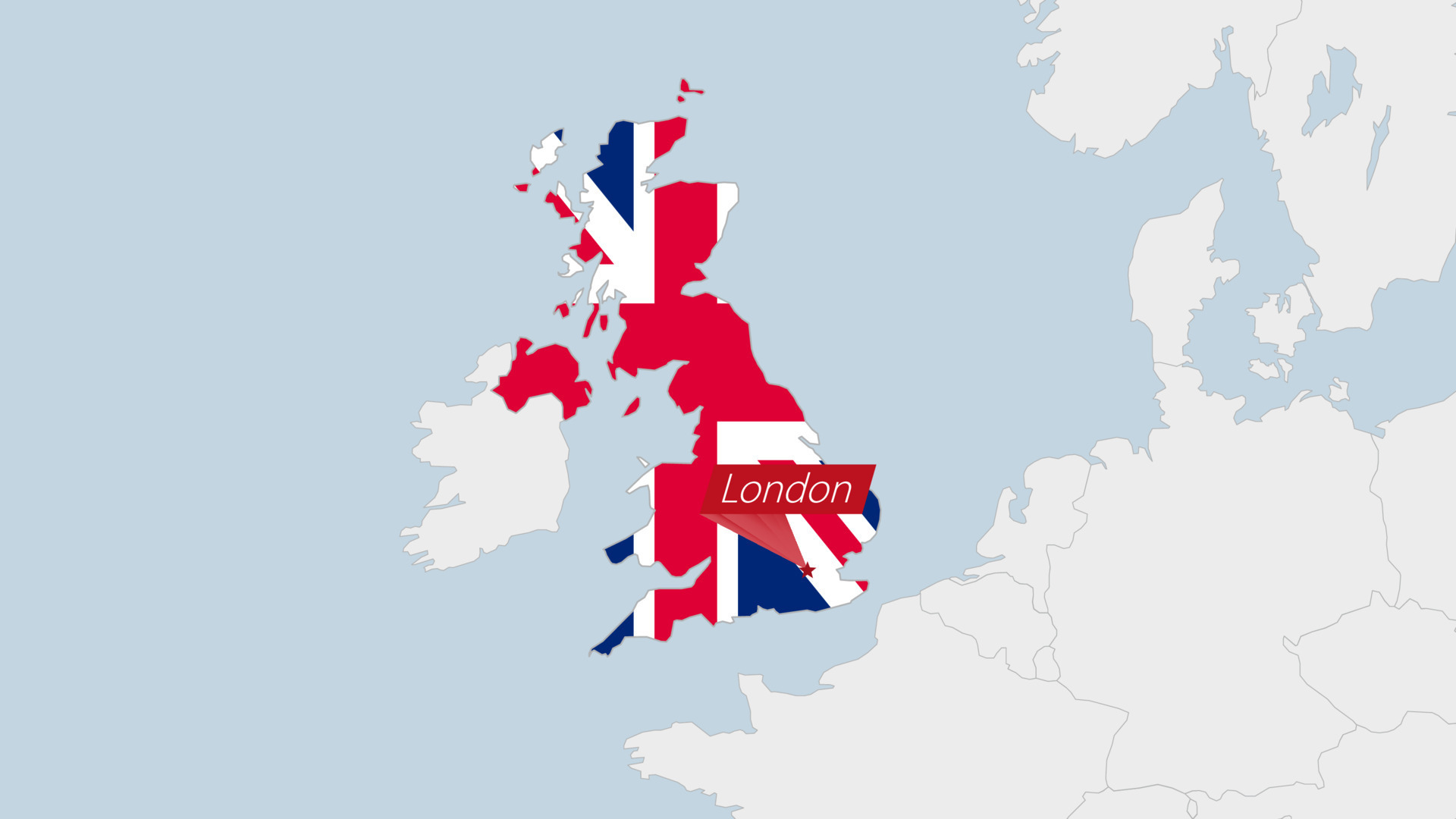
Choosing the right month for a British staycation or holiday often comes down to a high-stakes gamble with the jet stream. When pitting UK weather July vs August against each other, travellers frequently assume they're identical high-summer months. Yet, historical climate data and long-term trends from the Met Office reveal distinct behavioral differences in temperature stability, rainfall patterns, and coastal sea temperatures that can make or break your trip.
July typically wins on statistical stability, offering longer periods of high pressure, steadier sunshine hours, and lower initial humidity. August often matches or slightly exceeds July in peak daily maximum temperatures, but it introduces a higher risk of convective thunderstorms, sudden Atlantic depressions, and unpredictable coastal winds. If you're planning a trip, understanding how these two heavyweights stack up against each other will help you secure the ideal holiday crown.
Temperature Profiles: Peak Warmth vs. Atmospheric Inertia
At first glance, meteorological charts for mid-summer look remarkably similar. Both months routinely push daytime maximums past 21 degrees Celsius across central and southern England, with London and East Anglia regularly hovering near 23 to 25 degrees Celsius or higher during settled spells.
However, the way heat behaves across the month differs. July benefits from the build-up of solar radiation following the summer solstice in late June. Days are at their longest, giving the ground maximum daylight hours to absorb heat. This creates a stable thermal environment where prolonged warm spells are common.
August carries thermal inertia from July. Seas around the British Isles reach their peak annual warmth in August, which moderates coastal air temperatures and keeps nighttime lows slightly higher. While this makes late-summer evening dips in the sea more comfortable, it also increases atmospheric moisture. Higher humidity levels in August frequently act as fuel for heavy afternoon downpours and sharp thunderstorms once a weather front rolls in from the Atlantic.
Rainfall Risks: The Mid-Summer Storm Factor
Rain is the constant companion of any British holiday discussion, and the distribution of wet weather between these two months varies significantly by region.
July often delivers drier, more settled spells, particularly during the first half of the month. High-pressure systems frequently anchor themselves to the south of the UK, deflecting major Atlantic storms northwards toward Scotland.
- July Rainfall Tendencies: Generally characterised by lower overall average rainfall totals in the south and east, punctuated by occasional dry heatwaves.
- August Rainfall Tendencies: Prone to convective storms. Even if overall monthly rainfall totals look comparable on paper, August rain often arrives in intense, short-lived torrential bursts rather than steady drizzle.
If you're camping, hiking, or booking outdoor events, July's rain risk is typically lower and easier to dodge. August requires a bit more flexibility in your itinerary because convective storms can flare up rapidly on humid afternoons, even after a bright morning.
Daylight Hours and Sunshine Consistency
Daylight length plays a quiet yet vital role in holiday planning. July wins the daylight battle cleanly.
- Mid-July: Features the longest lingering evenings of the year, with twilight stretching past 9:30 PM in central England and even later in Scotland. This gives you maximum flexibility for late-evening coastal walks, outdoor dining, and sightseeing.
- Late August: Experiences a noticeable shortening of the days. By the end of August, sunset occurs significantly earlier, pulling darkness in nearly an hour faster than at the start of July.
When it comes to actual sunshine hours, coastal regions in the south—such as Cornwall, Dorset, and Sussex—frequently record their highest sunshine totals of the year across both months. Yet, July's sunshine tends to be more continuous, whereas August's sunshine is often interrupted by midday cloud build-ups before clearing toward evening.
Regional Variations Across the UK
The battle between July and August changes entirely depending on your destination within the British Isles.
Southern England and East Anglia
In regions like Kent, Essex, and Hampshire, both months deliver reliable summer warmth. July is often preferred by travelers aiming to avoid the massive school holiday exodus that begins in late July and peaks throughout August. August brings warmer sea temperatures, making coastal resorts packed with families.
Scotland and Northern England
Northern latitudes experience sharper contrasts. July offers the best combination of daylight and relatively settled weather in the Scottish Highlands and Islands. By August, the jet stream often shifts south, bringing higher rainfall totals to western and northern Scotland, while eastern areas like Edinburgh can still enjoy pleasant, dry conditions.
Common Planning Mistakes to Avoid
Many holidaymakers fall into predictable traps when choosing between these two summer months. Avoiding these missteps will save you from holiday frustration:
- Assuming weather is identical: Treating July and August as interchangeable months ignores August's higher propensity for sudden, humid thunderstorms.
- Ignoring the school holiday calendar: Booking for mid-to-late August guarantees peak pricing, packed attractions, and congested motorways. July—especially the first three weeks—often offers a quieter window before the mass getaway.
- Overlooking sea temperatures: If your holiday revolves around swimming, paddleboarding, or coastal water sports, August holds the advantage because coastal waters have had the entire summer to warm up.
- Failing to pack for extremes: Assuming a British summer month guarantees uninterrupted sunshine leads to missed opportunities when brief downpours strike. Always pack layers and a waterproof shell, regardless of the month.
Frequently Asked Questions
Which month is statistically warmer in the UK?
Both months share similar average maximum temperatures, usually peaking between 21°C and 23°C in southern regions. However, August often records slightly higher nighttime minimum temperatures because the surrounding seas have reached their annual peak warmth.
Is July less rainy than August?
Statistically, July frequently enjoys more stable blocks of high pressure, particularly in the first half of the month. August is more prone to sudden, heavy convective thunderstorms driven by higher atmospheric humidity.
When do the UK school holidays start affecting crowds?
School summer holidays in England and Wales typically begin in the third or fourth week of July and run through the entire month of August. Traveling during early July lets you experience peak summer weather with significantly smaller crowds.
Which month is better for a beach holiday?
August takes a slight edge for beachgoers because sea temperatures around the UK coastline reach their highest annual levels during this month, making swimming and water activities much more comfortable than in early summer.



