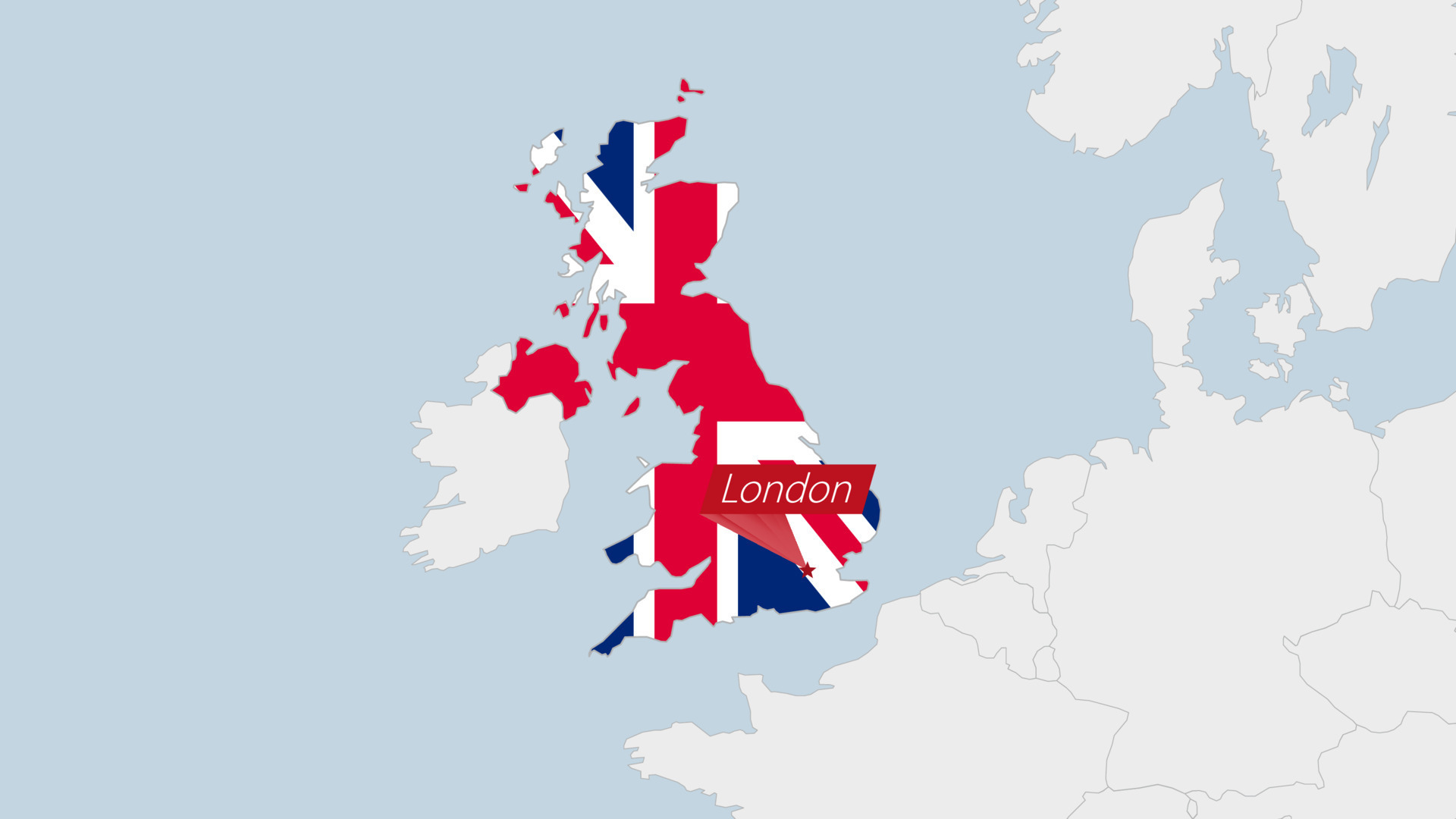
Planning a trip or outdoor event during the high summer season means understanding what to expect from the elements. UK weather in July brings some of the longest daylight hours of the year, alongside daytime maximum temperatures that typically hover around 21°C to 23°C in southern regions. While southern England often records warm, dry spells, northern Scotland and higher elevations experience cooler breezes and frequent passing showers.
July sits right at the peak of the British summer, offering reliable daylight that stretches past 9:00 PM in many areas. Even so, local geography dictates your daily experience. Coastal sea breezes can keep beach towns brisk, while urban heat islands like London routinely push higher on clear afternoons. Knowing how regional variations, rainfall patterns, and unexpected heat spikes play out helps you pack smarter and avoid weather surprises.
Regional temperature breakdowns across the nation
Temperatures vary noticeably depending on whether you're heading to the English coastline, Welsh valleys, or Scottish highlands. Official climate datasets compiled by agencies like the Met Office show clear divides between the south and north.
Southern England and the Midlands experience the highest warmth. Daytime highs regularly reach 22°C to 25°C, with occasional heatwaves pushing past 30°C. Nighttime lows stay comfortable, rarely dropping below 13°C.
Northern England, Wales, and Northern Ireland sit in a moderate bracket. Daytime highs average around 19°C to 21°C. Cardiff and Belfast see similar conditions, though coastal areas experience refreshing marine winds that drop the perceived temperature when the sun dips behind clouds.
Scotland presents a cooler profile. While Edinburgh and the central belt average 18°C to 20°C, northern areas and higher grounds like Aviemore stay closer to 16°C or 17°C. Nights can feel sharp, occasionally dropping near 10°C, meaning a light fleece remains essential for evening walks.
Rainfall patterns and sunshine hours
July is statistically one of the drier summer months, but it's far from immune to sudden downpours. Convective storms—where ground heat builds up and triggers afternoon thunderstorms—are common during warm spells.
Average monthly rainfall across the UK sits around 50mm to 70mm, distributed across roughly 10 to 12 wet days. However, regional distribution is uneven.
- Southern and eastern counties, including Essex, Suffolk, and Kent, often record the lowest rainfall totals.
- Western Scotland and mountainous regions like the Lake District experience higher precipitation, sometimes doubling the totals seen in the southeast.
- Sunshine totals average about 6 hours per day nationally, with southern coastal resorts enjoying up to 7 or 8 hours of daily sun.
What to pack for July conditions
Packing for a British summer requires a flexible approach. You don't need heavy winter coats, but relying solely on shorts and t-shirts leads to shivering during evening drops or sudden wind gusts.
Layering remains your best strategy. Bring breathable fabrics for warm afternoons, alongside a waterproof outer shell for unexpected showers. Sturdy walking shoes are vital if you plan on exploring rural trails or coastal paths, which can turn muddy even after brief summer rain.
Sun protection is another priority. The sun sits high in the sky during July, and UV levels can reach high ratings even on partly cloudy days. Pack high-SPF sunscreen, sunglasses, and a wide-brimmed hat if you're spending long hours outdoors at festivals or heritage sites. Information on daily forecasts can be checked via the BBC Weather portal before heading out.
Common mistakes travelers make
Visitors often misjudge British summer weather, leading to uncomfortable moments during day trips.
One frequent error is assuming that a sunny morning guarantees a dry afternoon. Summer convective showers pop up quickly, especially inland. Checking local radar updates prevents you from getting caught miles from shelter without a waterproof layer.
Another mistake is underestimating the strength of coastal winds. A 21°C day feels significantly cooler when a stiff breeze blows off the North Sea or the Atlantic Ocean. Always pack an extra windbreaker for coastal hikes or ferry rides.
Finally, travelers often forget that British historic buildings and older hotels lack modern air conditioning. During a heatwave, indoor spaces can trap heat intensely, so booking accommodation with cross-ventilation or portable fans makes a noticeable difference.
Frequently asked questions
Can I swim in the sea around the UK in July?
Sea temperatures around mainland Britain in July average roughly 15°C to 17°C. While hardy swimmers and surfers wearing wetsuits enjoy the water, casual bathers often find it brisk and refreshing rather than warm.
Does it rain every day in July?
No. While rainy days occur, July generally features long stretches of dry, settled weather influenced by high-pressure systems. Rain typically arrives in short bursts or passing frontal systems rather than endless washouts.
Are daylight hours noticeably long?
Yes. Because of the UK's northern latitude, July days are very long. Sunrise occurs around 5:00 AM, and sunset doesn't happen until past 9:30 PM in central England, giving you ample daylight for outdoor sightseeing.
How do I prepare for a sudden heatwave?
Stay hydrated, avoid strenuous outdoor activities during peak afternoon sun between 11:00 AM and 3:00 PM, and keep sunscreen applied. Public transit can also become hot and crowded, so carry extra water for train and tube journeys.



