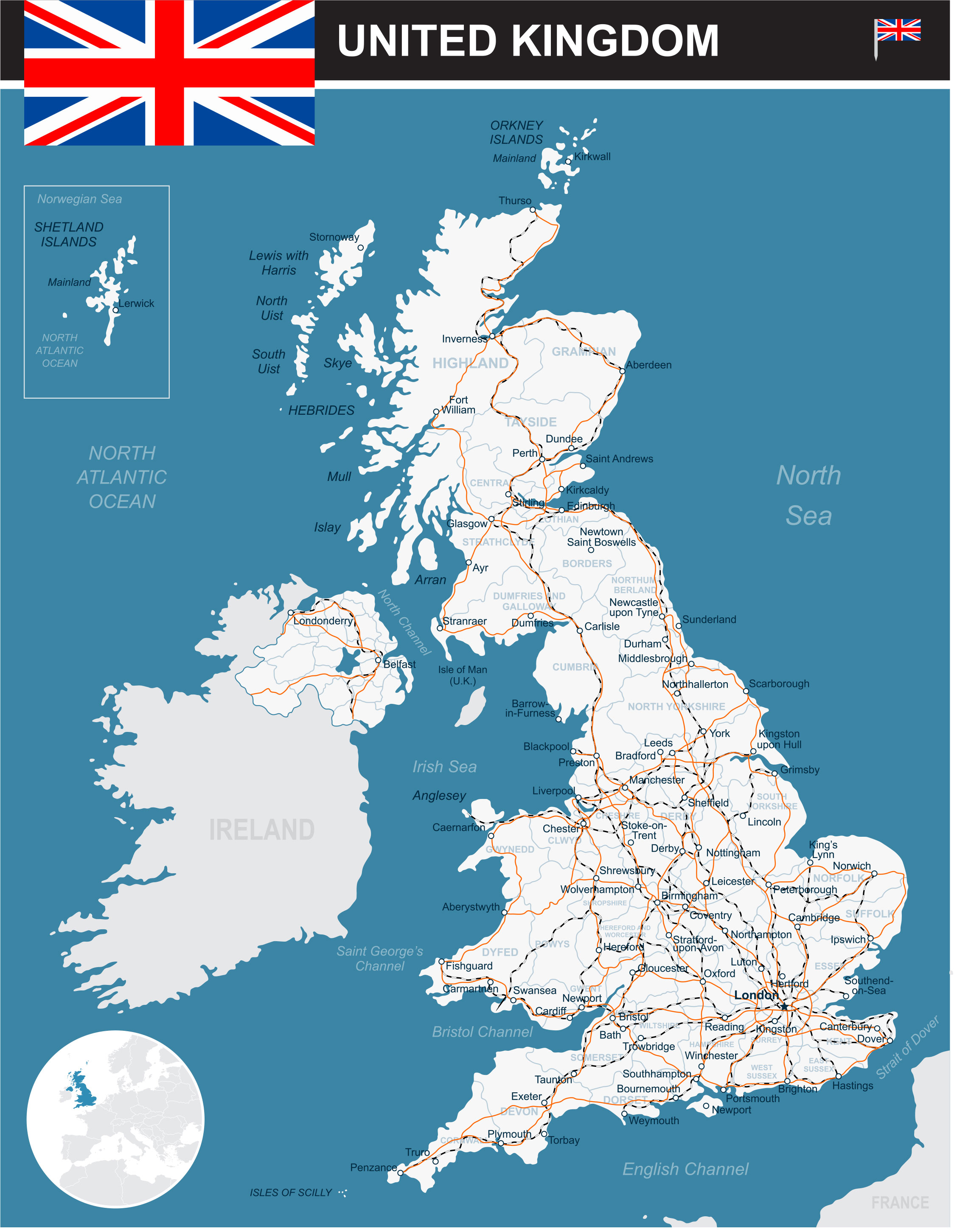
Tracking the current time in the UK requires understanding Greenwich Mean Time, British Summer Time, and how these hourly shifts dictate daily schedules across global markets. Whether you're coordinating international business calls, scheduling live broadcasts, or tracking financial market openings, managing the UK time pulse efficiently keeps operations synchronized.
The United Kingdom operates on Greenwich Mean Time (GMT) during the winter months and switches to British Summer Time (BST) during the summer. This biannual transition affects how the UK aligns with global time zones, shifting its offset relative to North America, Europe, and Asia. Recognizing these shifts prevents scheduling errors and ensures seamless cross-border communication.
Understanding UK Time Zones and Seasonal Shifts
The UK stays on GMT (UTC+0) from late October to late March. During this period, clocks sit on standard solar time relative to the Prime Meridian passing through Greenwich, London. When spring arrives, the country moves forward by one hour to BST (UTC+1), maximizing daylight hours during the evening.
This transition happens on the last Sunday of March and reverses on the last Sunday of October. Because these dates differ from daylight saving schedule changes in North America and other regions, there are brief windows each year where transatlantic time differences fluctuate by an hour. Keeping track of these exact weekend shifts is essential for anyone managing international logistics.
- Greenwich Mean Time (GMT): Active late autumn through winter, keeping the UK at UTC+0.
- British Summer Time (BST): Active late spring through summer, advancing clocks to UTC+1.
- Transition Sundays: Clocks change at 01:00 UTC, requiring careful adjustment for automated systems and digital calendars.
For official verification of current offsets, you can consult the Gov.uk guidance on daylight saving changes.
Impact on Global Business and Financial Markets
London serves as a major anchor for international finance, logistics, and digital media. The opening and closing bell of the London Stock Exchange dictate liquidity flows across European and American markets. When the UK operates on standard time, it overlaps closely with early morning trading hours in New York and late afternoon sessions in financial centers across Europe.
Global remote teams often use London time as a neutral reference point for daily standups and project deadlines. Because the UK bridges North American closing hours and Asian morning openings, a disruption or misunderstanding of local time adjustments can delay time-sensitive data transfers.
Key Operational Sectors Affected
- Financial Trading: Overlaps between London, Frankfurt, and New York establish peak transaction windows.
- Media Broadcasting: Live global feeds depend on precise UTC tracking to coordinate international programming.
- Logistics and Shipping: Freight forwarding hubs rely on accurate local arrival and departure timestamps.
Managing Time Differences Accurately
When coordinating across multiple regions, relying on mental math often leads to missed appointments, especially during transition weeks when different countries change their clocks on separate dates. Digital infrastructure and modern operating systems handle these shifts automatically, but manual schedulers must verify local offsets.
You can cross-reference global city offsets using the World Clock interactive tool to check real-time differences without guesswork. Setting up dual-time displays on your workstation or mobile device helps maintain constant awareness of active business hours in London.
Common Scheduling Mistakes to Avoid
- Assuming uniform clock change dates: North America and Europe update their clocks on different weekends in spring and autumn, causing temporary one-hour discrepancies.
- Confusing GMT and UTC: While numerically identical for most practical purposes, treating them as interchangeable in technical code can cause timestamp errors.
- Ignoring regional variations: While the UK shares a single time zone, overseas territories and crown dependencies have unique local rules.
Frequently Asked Questions
What is the time difference between New York and London?
During standard time, London is 5 hours ahead of New York (EST to GMT). During summer months, London remains 5 hours ahead of New York because both regions observe daylight saving changes at different times, though brief gap weeks can temporarily alter this to 4 or 6 hours depending on the exact transition dates.
When do the clocks change in the UK?
Clocks go forward one hour on the last Sunday of March at 01:00 GMT and go back one hour on the last Sunday of October at 02:00 BST.
Does the UK observe Daylight Saving Time year-round?
No. The UK splits the year evenly between Greenwich Mean Time and British Summer Time, returning to standard winter time every October.
How does BST affect UTC?
During British Summer Time, the UK operates at UTC+1, meaning local time is one hour ahead of Coordinated Universal Time.



