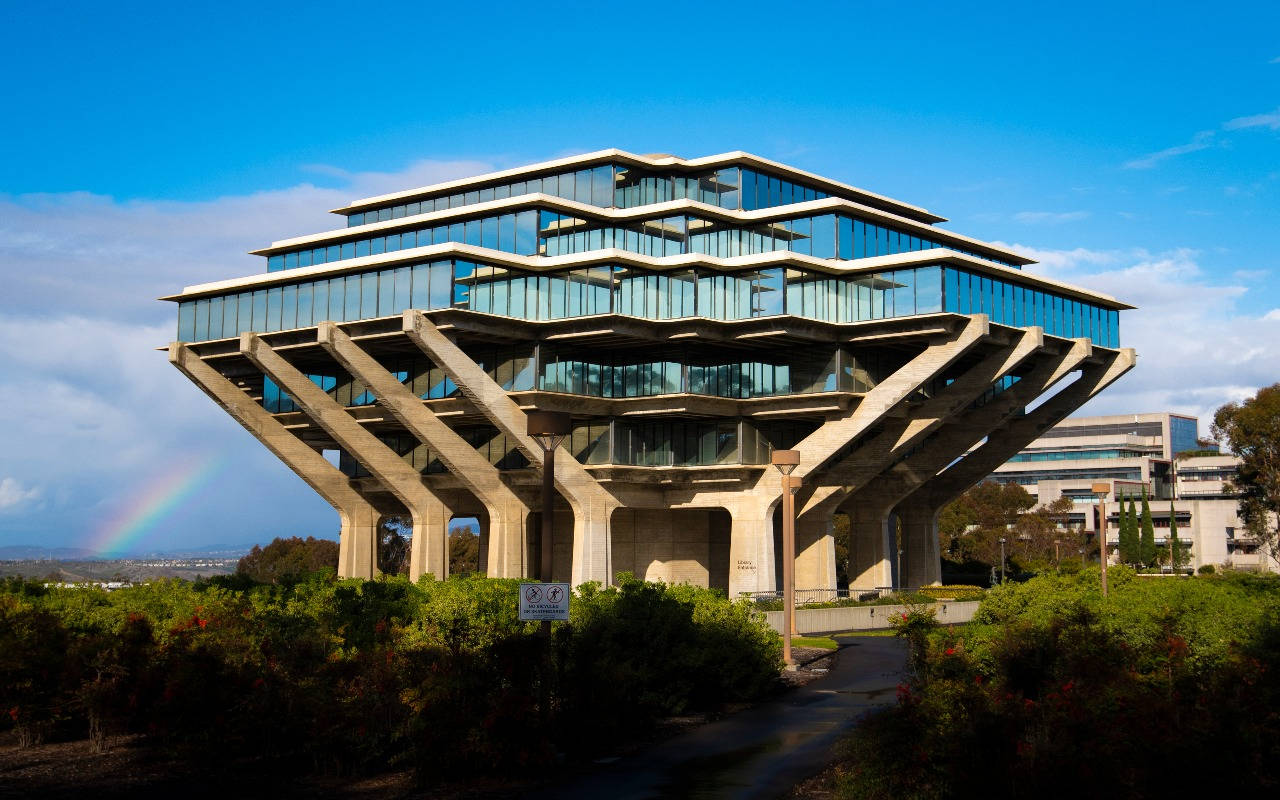
Navigating the sprawling campus of the University of California, San Diego can feel like a high-stakes daily lottery. Thousands of students, staff members, and faculty arrive each morning chasing a finite number of parking stalls under the California sun. When demand drastically outpaces supply, the campus routine turns into an exercise in frustration.
This parking crunch isn't just an inconvenience; it shapes schedules, alters commuting habits, and hits pocketbooks hard. Understanding how the system works—and why spaces remain so fiercely contested—helps commuters adapt to the daily scramble.
The Anatomy of the UCSD Parking Shortage
At the core of the issue is a stark mathematical imbalance. The campus population exceeds 39,000 students alongside thousands of faculty and staff, yet physical parking infrastructure provides only a fraction of that capacity. While long-term master planning aims to shift the university toward public transit and active mobility, the immediate reality leaves drivers competing for roughly 13,000 designated spaces.
Several compounding factors keep the parking system under pressure:
- Rapid campus expansion and enrollment growth that outpace infrastructure development.
- The physical geography of La Jolla, which limits large-scale surface parking construction.
- High permit costs that force drivers to weigh steep fees against unreliable public transit options.
- A high volume of daily visitors, medical center patients, and event attendees using the same lots.
Permit Tiers and Pricing Realities
Getting legal authorization to park on campus requires navigating a tiered permit structure. UCSD utilizes virtual permits linked to license plates rather than physical hangtags. Drivers choose from various permit categories, including A (faculty), B (staff), S (student), and V (visitor).
Prices scale depending on user classification and lot proximity. Premium lots closest to central academic buildings command the highest rates, while perimeter lots offer more budget-friendly pricing paired with longer walks or shuttle rides. However, paying for a permit doesn't guarantee an open stall. Commuters frequently report circling packed lots for twenty minutes, only to settle for a spot far from their destination.
Daily Strategies for Securing a Space
Experienced drivers don't leave their morning arrival to chance. Surviving the system requires tactical planning and flexibility.
- Target Off-Peak Arrival Times: Arriving before 7:30 AM or after 3:30 PM drastically improves your chances of finding open stalls in central lots. The peak arrival window between 9:00 AM and 11:00 AM offers the lowest probability of finding quick parking.
- Master the Shuttles: Perimeter parking areas like P705 or remote lots serviced by campus shuttles often have reliable inventory when central core lots are completely full. Factor in a 15-minute shuttle window to avoid being late for class or meetings.
- Monitor Real-Time Occupancy Tools: Utilize official transportation updates and mobile tracking tools provided by UCSD Transportation Services to check real-time lot occupancy before driving across campus.
- Form Carpools: Registered carpools often receive discounted permit rates and access to reserved preferential parking stalls closer to high-traffic zones.
Alternative Transportation and Transit Integration
Relying solely on a personal vehicle can drain both time and patience. Many commuters successfully bypass the parking headache by integrating alternative modes of travel into their weekly routines.
The arrival of the UC San Diego Blue Line trolley transformed regional transit access, connecting the campus directly to downtown San Diego, UTC, and neighborhoods further south. Combined with an extensive network of local buses and secure bicycle lockers, public transit offers a predictable commute that bypasses campus parking congestion entirely. Students and employees also have access to regional transit pass programs that reduce overall commuting costs.
Frequently Asked Questions
Can visitors buy daily parking permits easily?
Yes, visitors can purchase hourly or daily permits using mobile payment applications like ParkMobile or via designated pay stations located across campus visitor lots.
What happens if I receive a parking citation?
Citations issued by campus parking enforcement must be paid or appealed online within specified deadlines. Ignoring citations can result in additional fines or vehicle immobilization.
Are there free parking options near UCSD?
Free street parking directly on campus does not exist. While some surrounding residential neighborhoods permit street parking, tight local restrictions, time limits, and permit-only zones make relying on street parking risky.
How do accessible parking permits work on campus?
Drivers with state-issued disabled placards or license plates may park in designated accessible stalls when displaying a valid campus parking permit or paying the appropriate daily rate, in accordance with California DMV guidelines.



