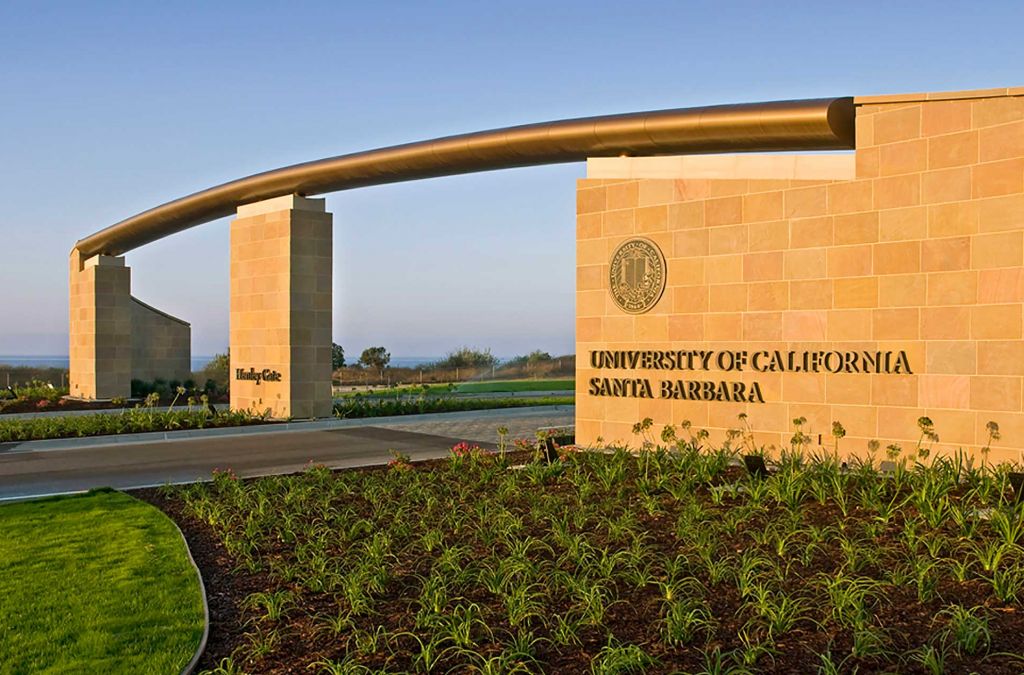
Navigating the University of California, Santa Barbara requires adapting to a fast-moving ten-week academic cycle. Unlike traditional universities operating on semesters, UCSB divides the academic year into fall, winter, and spring quarters, condensing a full semester's worth of material into barely ten weeks. Mastering this timeline means you have to stay ahead of registration windows, midterm cycles, and finals before they sneak up on you.
This article breaks down the exact mechanics of the UCSB quarter system, maps out a realistic timeline for success, and highlights common traps that catch incoming students off guard. Whether you're transitioning from high school or transferring from a semester-based college, understanding how time flows here changes everything about your GPA and stress levels.
Understanding the UCSB Quarter System Structure
The academic year at UCSB consists of three primary instruction periods: Fall, Winter, and Spring. Each quarter spans roughly ten weeks of classes, followed by a dedicated week of final examinations. Because instruction moves at an intense pace, professors often introduce new concepts during the very first lecture. You don't have weeks to settle into a routine; pacing yourself from day one is critical.
Summer session is optional but popular for students trying to catch up on units or graduate early. Summer runs in shorter blocks, ranging from six-week to ten-week sessions. If you choose to take summer classes, expect the workload to double in speed compared to the regular academic year.
You can check specific official dates and deadlines directly through the UCSB Registrar.
Fall Quarter: The Transition and Momentum
Fall quarter sets the tone for the entire academic year. It typically begins in late September and wraps up right before winter holidays in mid-December. For new students, fall brings an extra layer of adjustment involving move-in day, orientation, and learning how to navigate campus.
Midterms usually hit around week four or five, meaning you have barely a month of breathing room after classes begin. Staying organized during this initial sprint prevents you from playing catch-up when finals arrive.
Winter Quarter: The Sprint
Winter quarter starts in early January, right after a restful holiday break, and ends in mid-March. This quarter feels shorter because of federal holidays like Martin Luther King Jr. Day and Presidents' Day, which create occasional three-day weekends.
However, don't let the shorter feel trick you. Winter quarter weather in Santa Barbara can be rainy, and the lack of extended breaks between January and March makes burnout a real hazard. Building a consistent study habit early keeps your momentum alive through the gloomier winter weeks.
Spring Quarter: The Final Stretch
Spring quarter runs from late March through early June. It brings warmer weather, outdoor studying, and the annual Extravaganza music festival. With the finish line of the academic year in sight, maintaining focus can be difficult.
Spring also marks the heavy period for next year's housing search and final course registration through GOLD, the campus portal. Balancing social events with academic responsibilities becomes your main challenge during these final ten weeks.
The Quarterly Timeline and Critical Deadlines
Missing a university deadline at UCSB carries severe consequences, ranging from dropped classes to costly late fees. Every quarter follows a strict sequence of administrative milestones.
- Pass Times and Registration: Registration happens in phases through GOLD. Your pass time determines your exact window to enroll in courses. Senior standing students register first, followed by juniors, sophomores, and incoming freshmen.
- Fee Payment Deadlines: Tuition and campus fees must be paid or covered by financial aid before the quarter begins to avoid cancellation of your class schedule.
- Add/Drop Periods: The first few weeks allow you to adjust your schedule. You can add classes without approval codes during the initial days, but adding courses later requires instructor permission.
- Drop without a "W" Grade: Usually occurring around week three or four, this deadline lets you drop a course from your transcript without receiving a withdrawal mark.
- Final Exams Week: The tenth week of instruction ends on a Friday, and final exams take place the following Monday through Friday. Travel plans should never be booked before checking your specific exam schedule.
For official updates on enrollment limits and policy changes, consult the UC Santa Barbara Homepage.
Common Mistakes Students Make on the Quarter System
Transitioning to a ten-week academic model trips up many capable students. Recognizing these pitfalls helps you avoid making them yourself.
- Treating Week One as a Sabbatical: Skipping lectures during the first week because "nothing important happens yet" is a dangerous myth. Professors often drop essential syllabus details and homework policies immediately.
- Procrastinating Until Midterms: In a semester system, you might get away with ignoring readings until week six. At UCSB, week six means midterms are already wrapping up or grading is underway. Falling behind by two weeks can tank your grade beyond recovery.
- Overloading Units Early On: Taking twenty units in your first quarter to impress advisors or finish early often backfires. Start with a standard fifteen-unit load to gauge your capacity under the quarter system.
- Ignoring Office Hours: With classes moving so fast, waiting until the night before an exam to ask questions leaves you stranded. Professors and teaching assistants hold weekly office hours specifically to clarify difficult lecture points.
Mastering Time Management for Long-Term Success
Surviving the quarter system requires treating time as your most valuable currency. Because assignments pile up concurrently across three or four classes, mental agility is necessary.
Start by mapping your entire quarter on a physical calendar or digital planner on day one. Mark every midterm date, paper deadline, and registration pass time immediately. Work backward from those dates to allocate weekly study blocks.
Adopt active recall and spaced repetition study methods rather than passive re-reading. When you only have ten weeks to master complex material, studying smarter beats studying longer. Form study groups during the first two weeks of class so you have peers to rely on when challenging problem sets or essay prompts arrive.
Frequently Asked Questions
Can I drop a class after the deadline?
Dropping a class after the official deadline requires submitting a formal petition through your college advising office. Petitions are generally only approved if you can document extenuating circumstances like severe illness or family emergencies. Poor performance alone is rarely accepted as a valid reason.
How do I handle overlapping final exams?
If two of your final exams are scheduled at the exact same time, contact your instructors during the fourth week of the quarter. Professors are required to offer alternative examination times when conflicts occur within official university scheduling guidelines.
Is it possible to change my major under the quarter system?
Yes, changing your major is common, but you must meet specific prerequisite course and GPA requirements for the department you want to enter. Speak with an undergraduate advisor early because changing majors late in your sophomore or junior year can delay your graduation timeline.
How many units should I take per quarter?
Most students take between twelve and sixteen units per quarter to maintain full-time status and stay on track for a four-year graduation timeline. Taking fifteen units typically balances progress toward your degree without overwhelming your weekly schedule.



