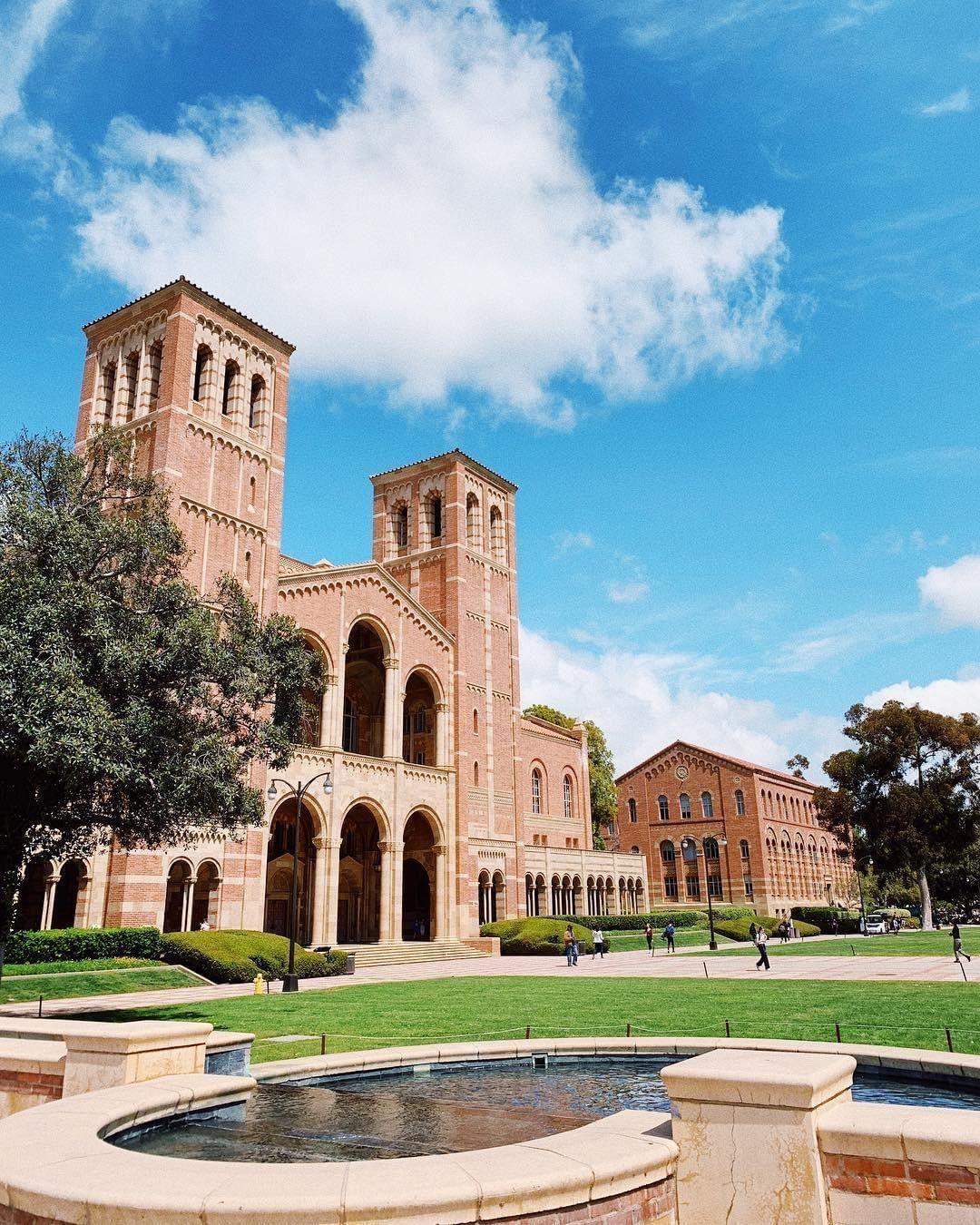
Navigating the admissions process for a major research institution requires a precise approach. When you're preparing a UCLA graduate application, you aren't just filling out forms; you're building a persuasive academic case for why your background aligns with faculty expertise and institutional priorities. Most prospective students underestimate how distinct the departmental review criteria are from the general university guidelines.
Success depends on understanding what the admissions committee looks for beyond a minimum GPA threshold. You need to align your transcripts, test scores, letters of recommendation, and mandatory essays into a cohesive narrative before winter deadlines.
Core Admission Requirements
Before diving into essays and recommendations, you must clear the baseline benchmarks set by the UCLA Division of Graduate Education (DGE) and your specific department.
- Degree Prerequisite: You need a bachelor’s degree from a regionally accredited U.S. institution or a recognized international equivalent representing at least four years of post-secondary study.
- Grade Point Average: The university mandates a minimum cumulative undergraduate GPA of 3.0 on a 4.0 scale. Competitive applicants across most competitive departments usually feature a GPA of 3.5 or higher.
- Standardized Tests: Requirements vary widely by program. While many departments have dropped the GRE requirement, others still require or recommend it. Check your specific program directory on the UCLA Graduate Programs Portal to confirm testing policies.
- English Proficiency: International applicants whose native language isn't English must submit official TOEFL or IELTS scores meeting minimum institutional cutoffs.
Crafting Compelling Application Essays
UCLA requires two distinct essays: the Statement of Purpose and the Personal Statement. Treating them as interchangeable is a common mistake that immediately weakens an applicant's standing.
The Statement of Purpose
Your Statement of Purpose focuses strictly on your academic trajectory, research background, and professional objectives. Committees want clear answers to specific prompts rather than a prose version of your resume:
- What drives your interest in this specific graduate field?
- What methodologies, technical proficiencies, or research experiences have prepared you for rigorous graduate coursework?
- Why is UCLA the ideal ecosystem for your goals, and which faculty members match your research interests?
Keep your language direct and academic. Focus heavily on tangible outcomes from past projects, lab work, or professional roles.
The Personal Statement
The Personal Statement shifts away from hard research and explores your lived experience. UCLA values diverse perspectives derived from educational, cultural, economic, or social backgrounds.
Use this space to address structural barriers or unique challenges you've faced, and explain how those hurdles shaped your persistence. Discuss how your background, leadership initiatives, or community service align with the university's core principles of community.
Securing High-Impact Letters of Recommendation
Most graduate programs require three letters of recommendation. These letters validate your claims of research capability and academic resilience.
- Select Recommenders Wisely: Prioritize faculty members who supervised your research, thesis, or upper-division coursework. If you've spent several years in industry, professional supervisors are acceptable, but aim for a balanced mix if applying to research-heavy master's or PhD tracks.
- Provide Context Early: Give your recommenders at least four to six weeks notice. Provide them with your updated CV, a draft of your Statement of Purpose, and a summary of your key accomplishments with them so they can write detailed, specific endorsements rather than generic letters.
Deadlines and Logistics
Timing can make or break your candidacy. Most programs open applications in the fall for the following fall quarter, with deadlines clustering between November and early December. Certain professional schools or specialized departments maintain unique schedules.
You'll submit your materials through the official UCLA Graduate Division Application, paying the requisite application fee unless you qualify for an approved waiver. Double-check whether your target department requires a secondary application portal, such as SOPHAS for public health tracks, to avoid processing delays.
Frequently Asked Questions
Can I apply to more than one graduate program at UCLA simultaneously?
University regulations prohibit applying to more than one major during the same term, unless you are pursuing an established concurrent or articulated degree program. You must choose your target department carefully before submitting.
What happens if my undergraduate GPA is slightly below 3.0?
Departments can occasionally recommend exception admissions for applicants with extenuating circumstances or exceptionally strong post-baccalaureate coursework, but you must contact your specific department's graduate advisor to see if they review borderline files.
Are campus interviews part of the standard evaluation process?
Most departments do not conduct general admissions interviews. Evaluations rely entirely on your written application package, transcripts, test scores, and letters of recommendation. Select PhD programs may invite finalists for recruitment or interview weekends.
Can I update my application materials after submission?
Once submitted, application files are generally locked against direct edits. If you publish a major research paper or receive a prestigious award after submitting, you can contact your department's student affairs office to ask if they can append the document to your file.



