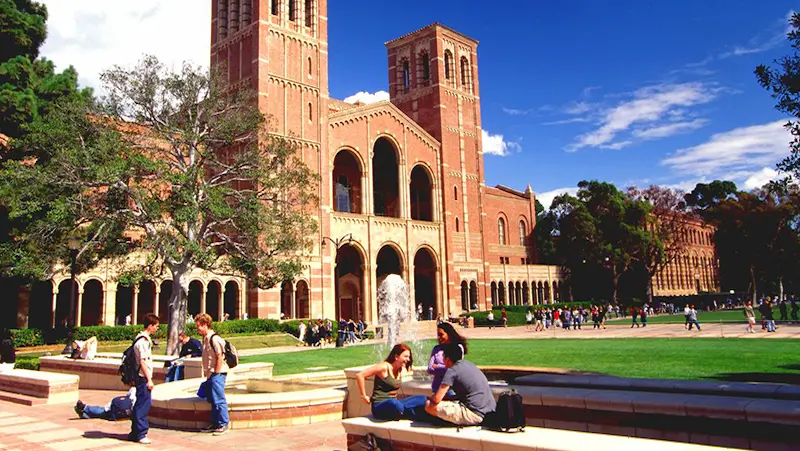
University dining halls used to conjure images of mystery meat, institutional steam tables, and uninspired cafeteria trays. For decades, campus food was something students endured rather than enjoyed. That paradigm shifted dramatically when institutions like the University of California, Los Angeles decided to treat student nutrition as an essential pillar of academic success, physical wellness, and community building. By replacing industrial processing with culinary craft, UCLA transformed its residential dining commons into award-winning culinary destinations.
Understanding how this transformation happened requires looking past the glossy marketing brochures and examining the operational mechanics, menu strategies, and student-centric culture that redefined modern university dining. From specialized wellness halls to authentic pan-Asian concepts, the shift wasn't just about serving better food—it was about rethinking how a massive university feeds a diverse population while prioritizing sustainability.
The Shift From Institutional Cafeterias to Culinary Commons
The modern era of UCLA dining began with a fundamental question: Why should living on campus mean compromising on food quality? Historically, universities relied on large-scale centralized kitchens that prioritized shelf life and low cost over flavor and nutritional integrity. UCLA dismantled this model by decentralizing its operations and treating each residential restaurant as an independent concept.
Instead of a single sprawling cafeteria, the campus developed distinct dining hubs across "The Hill" residential area, each with its own specific culinary identity.
- Epicuria at Covel: Focused on Mediterranean and Italian culinary traditions, featuring wood-fired pizzas, fresh pasta, and olive-oil-forward grain bowls.
- De Neve: Geared toward elevated American comfort food, customizable grill stations, and late-night options that cater to late-night study sessions.
- Bruin Plate (B-Plate): Built entirely around health, wellness, sustainability, and whole foods without commercial additives or deep fryers.
- Feast at Rieber: Dedicated to authentic pan-Asian cuisines, utilizing regional spice profiles, hand-pulled noodles, and wok stations developed with direct student input.
This diversification allowed the university to cater to sophisticated student palates shaped by Southern California’s rich immigrant communities and global food culture.
Nutritional Science Meets Modern Culinary Arts
Redefining campus food meant rewriting the rules of procurement. Traditional campus staples like commercial sodas, heavily processed meats, and trans fats were systematically phased out of specific locations like Bruin Plate. In their place came seasonal, locally sourced produce from California farms, cage-free and certified humane eggs, and organic options.
Nutrition isn't left to chance. Menus are constructed alongside registered dietitians to ensure macronutrient balance, micronutrient density, and clear allergen transparency. Students managing dietary restrictions—whether vegan, gluten-free, halal, or kosher—find dedicated options integrated directly into the primary lines rather than relegated to an afterthought corner.
The emphasis on whole foods extends to sustainable protein alternatives. Collaborations with plant-based innovators introduced carbon footprint scorecards right onto digital menu boards, allowing students to track the environmental impact of their meals in real time. Green earth symbols identify low-carbon, plant-forward choices, turning everyday eating habits into a lesson in ecological awareness.
Building Community Through Shared Meals
Food functions as the primary social glue in a residential college environment. When UCLA designed concepts like Feast at Rieber, administrators held extensive focus groups and tasting sessions with students to ensure cultural authenticity. For many international and out-of-state students, finding familiar comfort foods from home mitigates the friction of transition.
Architectural choices mirror this community-first philosophy. Open-kitchen layouts replace hidden back-of-house prep areas, turning chefs into educators who interact directly with diners. Communal long tables, flexible booth seating, and outdoor terrace views encourage students to linger, study together, and decompress outside the classroom.
To learn more about how large institutions manage student housing and campus infrastructure, you can review guidelines provided by the U.S. Department of Education or explore regional operational models via the University of California Office of the President.
Sustainability and Waste Reduction Practices
Reinventing campus dining extends far beyond the service counter into rigorous waste management and supply chain ethics. Large-scale university operations generate immense refuse, prompting UCLA to implement closed-loop systems that tackle food waste from multiple angles.
- Portion and Inventory Tracking: Advanced tracking software monitors consumption patterns to prevent over-purchasing and excess food prep.
- Commercial Composting: Organic waste and prep scraps are diverted from landfills, processing dozens of tons of compostable material each month for campus landscaping.
- Food Recovery Networks: Wholesome surplus food is safely redirected to local community food closets and shelters through student-led programs like Bruin Dine.
- Biodiesel Conversion: Used cooking oil from kitchen fryers is routinely collected and converted into biodiesel fuel by third-party partners.
Single-use plastics have been largely replaced by compostable fiber packaging or reusable eco-containers, reflecting broader institutional commitments across the California Higher Education Sustainability Coalition network.
Common Pitfalls in Campus Dining Transformations
Universities attempting to replicate this model often stumble by focusing exclusively on aesthetics while ignoring operational realities. A common mistake is introducing complex, international menus without training line staff on authentic preparation, leading to bland or inaccurate dishes that alienate the very students they aim to serve.
Another frequent misstep involves poor crowd management. Sprawling culinary variety creates extreme bottlenecks during peak lunch and dinner rushes (typically between 12:00 PM and 1:30 PM). Facilities that fail to implement mobile ordering apps, clear queue navigation, or staggered seating layouts often subject students to frustrating lines that negate the relaxed dining experience. Sustainable food programs also falter when institutions fail to educate students on proper waste sorting, resulting in contaminated compost bins that defeat the purpose of green initiatives.
Frequently Asked Questions
Can commuter students or non-residents eat at UCLA dining halls?
Yes. While residential dining halls primarily service students living on the campus hill via meal plans, commuter students and visitors can purchase individual meals or use commuter block plans through campus card services.
How are daily menus communicated to students?
UCLA Dining publishes daily digital menus online and through official housing channels, allowing students to check ingredients, nutritional data, and carbon footprint scores before arriving.
Are vegan and vegetarian options available at every location?
Every residential restaurant incorporates dedicated plant-based, vegetarian, and vegan options into its daily rotation, marked with clear sustainability indicators on digital boards.
What happens to leftover food at the end of the day?
Edible, unserved food is tracked and donated to local food pantries or distributed through student-run food recovery initiatives, while organic kitchen scraps undergo commercial composting.



