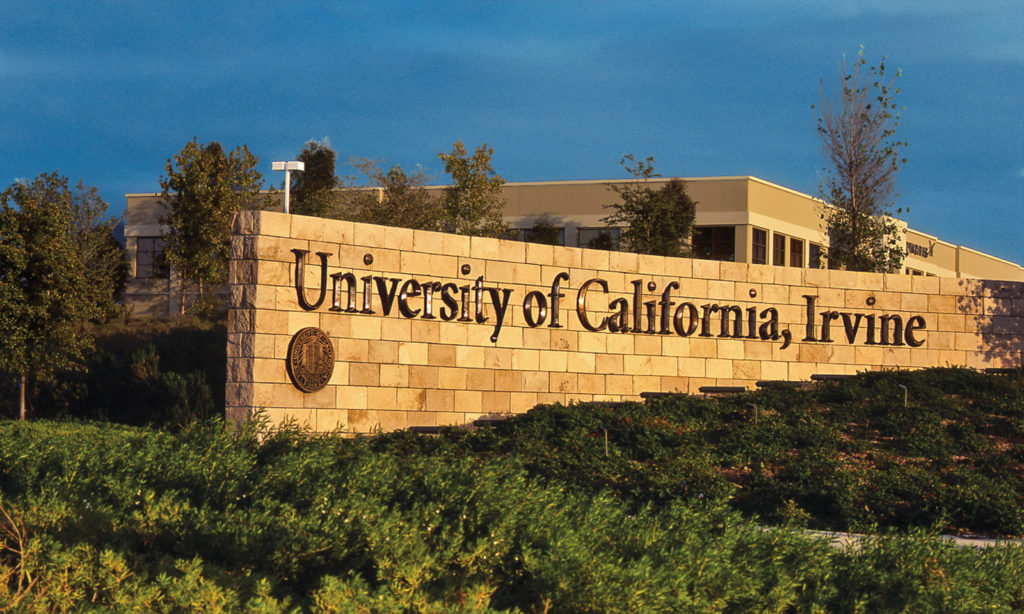
Hard sciences like molecular biology and organic chemistry weed out thousands of undergraduates every year. At the University of California, Irvine (UCI), the Charlie Dunlop School of Biological Sciences tackles this bottleneck head-on through structured peer mentorship. Instead of leaving students to navigate brutal grade curves alone, the official Bio Sci Peer Tutoring program pairs struggling learners with upperclassmen who already aced the exact same courses.
This targeted academic intervention system directly targets achievement gaps by replacing intimidating faculty office hours with accessible, relatable student guides. By offering free weekly sessions, customized worksheets, and insider tips on navigating university life, the program changes how undergraduates survive high-attrition gateway classes.
How the UCI Bio Sci Peer Tutoring Framework Operates
The structure relies on a simple premise: students learn best from peers who recently sat in the exact same lecture hall seats. The program isn't run by university faculty or hired professional consultants; it's entirely staffed by undergraduate majors who finished specific gateway courses with top grades.
Tutors provide between four and ten hours of weekly support per class, depending on student demand. They also host intensive two-hour review sessions before midterms and finals. Because these tutors survived the grueling exams themselves, they know which concepts cause the most confusion. They break down dense topics like cellular respiration, DNA replication, and protein synthesis into digestible steps.
The Open-Door Policy
Many university academic support centers require rigid appointment bookings or proof of financial need. UCI takes a different approach. The peer tutoring initiative maintains a strict open-door policy.
Students don't need to register, pay fees, or sign up in advance. You can drop in whenever your schedule allows, regardless of whether you've attended previous weeks. This flexibility helps students who juggle part-time jobs, commuter schedules, or heavy course loads alongside their science degrees.
Closing Achievement Gaps in Gateway Science Classes
Gateway courses in hard sciences often act as gatekeepers rather than foundations. Historic grade disparities reveal that first-generation students, underrepresented minorities, and transfers frequently face systemic disadvantages when adjusting to university-level grading curves. Traditional lecture halls seating 300-plus students offer little room for personalized interaction.
Structured peer mentorship closes these gaps through three specific mechanisms:
- Demystifying Course Culture: Tutors don't just teach biology; they decode professor expectations, exam styles, and grading quirks that experienced students take for granted.
- Reducing Performance Anxiety: Asking a question in front of hundreds of peers can feel terrifying. Small group settings run by friendly upperclassmen lower the psychological barrier to participation.
- Strategic Resource Allocation: Tutors guide students toward research labs, academic counseling, and campus mental health resources before minor struggles turn into academic crises.
According to broader findings on undergraduate retention at research institutions like UCI, early peer-led interventions significantly improve persistence rates in STEM disciplines by building genuine self-efficacy.
Core Services Offered by Student Mentors
The value of the program extends far beyond basic homework help. Tutors structure their interactions around active learning techniques rather than passive re-lecturing.
Weekly Custom Worksheets
Every week, tutors design custom worksheets tailored to current lecture topics. These aren't generic textbook problems; they mirror the analytical style of upcoming exams. Students work through these sheets collaboratively during tutoring hours, hashing out tricky concepts with peers instead of staring at blank pages alone.
Holistic Academic and Career Advice
Because tutors are advanced undergraduates, they serve as informal career advisors. A student attending a biology review session can easily ask about finding undergraduate research positions, securing campus jobs, or choosing between medical school and graduate programs. This informal mentorship bridges the gap between classroom theory and long-term professional identity.
Common Mistakes Students Make with Peer Tutoring
Even with free resources available, many students fail to maximize their benefits. Avoiding these common traps helps ensure better academic outcomes:
- Treating Tutoring as a Last Resort: Waiting until week nine of a ten-week quarter to seek help defeats the purpose. Consistent attendance prevents knowledge gaps from compounding.
- Passive Attendance: Showing up just to listen to the tutor talk provides minimal benefit. Students who attempt the weekly worksheets beforehand extract the most value.
- Sticking to One Instructor: The open-door policy allows students to visit multiple tutors for the same course. Different mentors explain complex metabolic pathways using unique analogies; exploring multiple perspectives helps tricky concepts click.
Frequently Asked Questions
Do I need to pay for UCI Bio Sci peer tutoring sessions?
No. All tutoring sessions, worksheets, and exam review events provided by the biological sciences peer tutors are completely free of charge.
Can I attend tutoring if I haven't gone to any previous sessions during the quarter?
Yes. You can drop in at any point during the quarter, even if it's your first time attending. There are no attendance penalties or registration requirements.
Are answers to the weekly tutor worksheets posted online?
Generally, answer keys are not posted on the public website. This policy encourages students to attend office hours and engage actively with the material rather than passively copying solutions.
How do students qualify to become peer tutors?
Applicants must meet specific academic thresholds, including maintaining a strong cumulative GPA, a competitive biological sciences GPA, and earning an A or A- in the specific course they wish to tutor. Applications open each quarter through campus portals.



