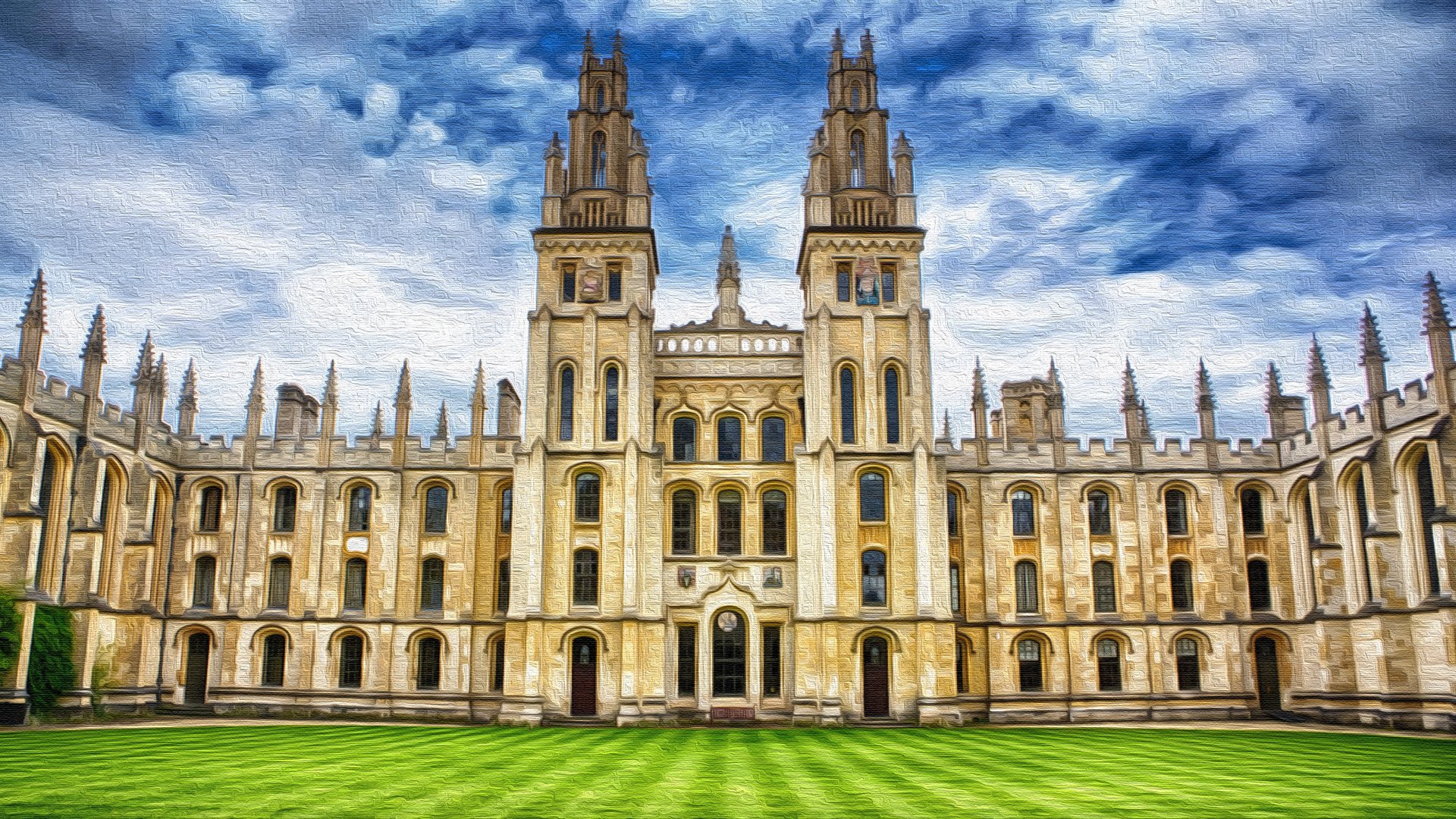
Choosing where to invest four critical years of your life or pursue advanced graduate studies requires looking past glossy recruitment brochures. The University of California San Diego (UCSD) operates as a massive enterprise of scientific discovery and rigorous academics, pulling in over a billion dollars annually in sponsored research. Set against the coastal backdrop of La Jolla, this public research institution functions less like a traditional ivory tower and more like an industrial-scale innovation engine.
Understanding how UCSD actually works requires breaking down its unique college system, its distinct research pathways, and the practical challenges students face on campus. Whether you're eyeing its Jacobs School of Engineering or its renowned biological sciences programs, navigating this campus demands a clear strategy.
The Unique College System Explained
UCSD mimics the collegiate structure of Oxford or Cambridge. Instead of a single, monolithic undergraduate experience, the campus is split into seven distinct undergraduate colleges: Revelle, Muir, Marshall, Warren, Roosevelt, Sixth, and Seventh.
Each college maintains its own administrative identity, residential area, and general education (GE) requirements. Your major doesn't dictate your college. A computer science major can live in Revelle or Muir alike. However, your college choice dictates the flavor of your non-major coursework.
- Revelle College: Focuses on a traditional liberal arts foundation with heavy math and science requirements for everyone, alongside a famously rigorous humanities sequence.
- Muir College: Emphasizes an ethos of self-directed balance, offering a flexible GE pattern that appeals to students who want maximum freedom outside their major.
- Marshall College: Centers around civic responsibility, requiring courses that address cultural diversity and social justice alongside core writing demands.
- Warren College: Focuses on ethical and professional dimensions of engineering and technical fields, requiring non-contiguous minors to ensure broad cross-training.
Choosing the right college during your application process isn't just about housing preferences. It determines how many hours you'll spend writing essays versus grinding through calculus equations outside your major.
Research Ecosystem and Getting Involved
With research expenditures routinely eclipsing historical benchmarks, finding a lab or a field project isn't reserved exclusively for graduate students. Undergraduates routinely secure positions handling data collection, coding simulations, or wet-lab assays.
The primary gateway for undergraduate research is the Research Experience and Applied Learning (REAL) Portal. Rather than forcing students to cold-email fifty different professors—though that still happens—the REAL Portal aggregates structured on-campus positions, internships, and fellowships into a single searchable board.
Another powerhouse avenue is the Faculty Mentor Program (FMP), which pairs upperclassmen with faculty members for multi-quarter independent projects. FMP culminates in an annual research conference where students defend their findings. For incoming students from underrepresented backgrounds or first-generation college households, specialized initiatives like the McNair Program and UC LEADS offer structured mentorship and stipend support to grease the wheels of academic advancement.
Practical Realities: Navigating La Jolla and Student Life
Life at UCSD isn't entirely frictionless. The campus spans thousands of acres of coastal terrain, meaning getting from a residence hall in The Village to a lecture in York Hall can easily take a 20-minute scooter ride or brisk walk.
Housing is another major pressure point. While the university guarantees multi-year housing for incoming freshmen, transfer students and upperclassmen often face stiff competition for on-campus apartments. Rent in the surrounding La Jolla and UTC areas commands steep market rates, forcing many students to commute from Clairemont, Pacific Beach, or further inland via the San Diego MTS Trolley Blue Line, which stops directly on campus.
Graduate students experience a different set of friction points. While teaching assistantships and graduate research fellowships cover baseline tuition and living stipends, local cost-of-living adjustments don't always match the pace of regional rent inflation. Managing a tight budget is a standard rite of passage for anyone pursuing a Ph.D. or master's degree here.
Frequently Asked Questions
How difficult is it to switch majors once enrolled at UCSD?
It depends heavily on whether your target major is "capped" or "non-capped." Non-capped majors allow fluid transitions. Capped majors—such as computer science, bioengineering, and data science—restrict entry due to high demand. Switching into a capped major usually requires an application process based on a competitive GPA in prerequisite screening courses.
Do freshmen have cars on campus?
Freshmen are legally permitted to bring cars, but parking permits are strictly rationed, expensive, and subject to availability. Because the campus and surrounding areas are well-served by the regional trolley system and campus shuttle loops, most first-year students manage perfectly fine without a personal vehicle.
What is the best way to approach professors for research positions?
Don't send generic mass emails with a blanket CV attached. Read two or three recent papers published by the professor's lab, understand their core methodology, and send a concise note explaining specifically why your skillset or interest aligns with their current grant-funded trajectory.
How does the quarter system affect the academic pace?
UCSD operates on a ten-week quarter system rather than a traditional semester schedule. Midterms start around week four, meaning the academic term moves at an accelerated sprint. Staying organized from day one is non-negotiable, as falling behind by two weeks can make recovery difficult before finals arrive.



