When you walk down State Street or cross the Diag on a crisp autumn morning, the boundary line between the University of Michigan and Ann Arbor vanishes. Town and gown aren't separate entities here; they're woven into a single organism. Founded in Detroit in 1817 before relocating to its permanent home in 1837, the institution didn't just build a campus inside a municipality—it engineered the economic pulse, cultural identity, and physical layout of the entire region.
Understanding this dynamic requires looking past glossy admission brochures. It means examining how a massive R1 research institution dictates local housing markets, fuels a thriving tech corridor, and defines what it means to live in one of the Midwest's most unique metropolitan bubbles.
The Physical Footprint: Designing the Urban Grid
You can't separate Ann Arbor's geography from the university's architectural ambitions. The campus is split primarily across Central, North, and Medical campuses, forcing the city to expand around these distinct intellectual nodes rather than the other way around.
Central Campus anchors the downtown core. It integrates academic halls directly into commercial districts like State Street and South University. Students walk out of lecture halls straight into independent bookstores, coffee shops, and local diners. This proximity creates a dense, pedestrian-first urban core that feels worlds apart from commuter-heavy campus towns.
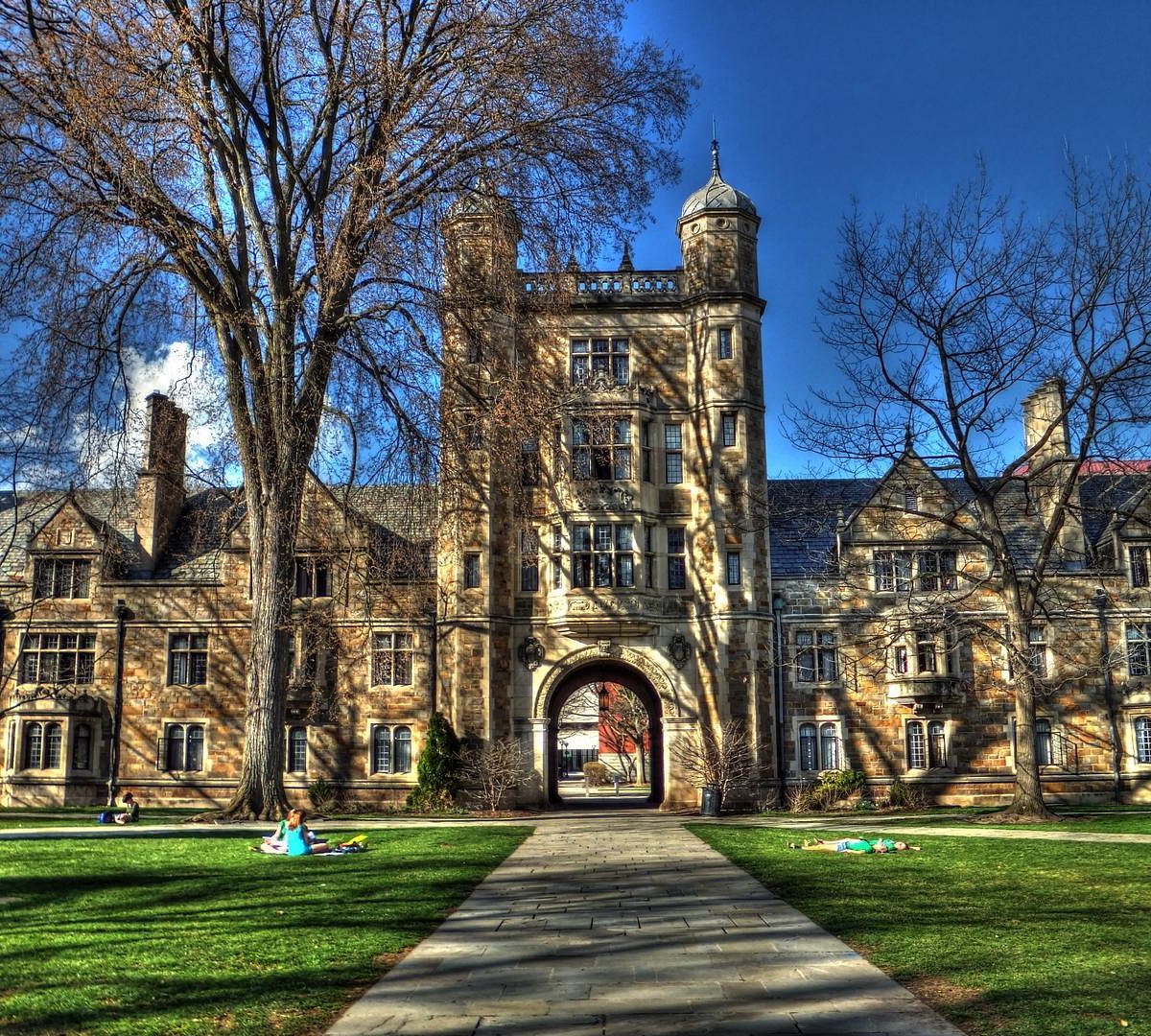
- Central Campus: Blends Collegiate Gothic architecture—like the iconic Law Quadrangle—with high-density urban retail, driving heavy foot traffic for local businesses.
- North Campus: Sits further north, functioning as an engineering and art powerhouse. Its sprawling, modernist layout mirrors industrial research parks, pulling suburban development outward and shaping the city's eastern transit routes.
- The Medical Campus: Operates almost as a separate city within the city, commanding massive infrastructure, specialized transit networks, and thousands of healthcare workers who commute daily.
Economic Engine and Real Estate Realities
The university stands as the single largest employer in Washtenaw County. That scale creates immense economic stability, but it also introduces severe structural pressures, particularly in housing.
With over 54,000 students competing for rentals alongside tech professionals and long-term residents, Ann Arbor's housing market is notoriously tight. Developers constantly race to build high-rise luxury apartments downtown to keep up with student demand, altering the city's skyline and driving up property values across surrounding neighborhoods.
- The Student Rental Cycle: Leases for the upcoming academic year are often signed nearly a year in advance, creating an aggressive market rhythm that dictates local property management timelines.
- Commercial Adaptation: Local retailers must adapt to the seasonal rhythm of the academic calendar, experiencing massive influxes of revenue during the fall and winter terms followed by quieter summer lulls.
- Property Tax Dynamics: As a public institution, major portions of university-owned land are tax-exempt, shifting municipal revenue burdens and sparking ongoing community debates regarding city services and infrastructure funding.
Innovation, Venture Culture, and the Tech Boom
Ann Arbor is frequently ranked among the most educated and innovative mid-sized cities in America, largely due to the spillover effect of university labs. Research commercialization isn't just an administrative buzzword here; it's a structural pipeline.
Programs like the University of Michigan Innovation Partnerships bridge the gap between academic theory and venture-backed reality. Faculty and student startups spin out of engineering, medicine, and computer science departments at a rapid clip, turning Ann Arbor into a Midwestern tech hub often dubbed "Silicon Valley of the Midwest."
- Talent Retention: Major tech firms and engineering enterprises establish regional offices in downtown Ann Arbor specifically to poach top-tier engineering and data science graduates before they migrate to the coasts.
- Interdisciplinary Collaboration: Innovation hubs encourage medical researchers to collaborate with software engineers and business strategists, leading to health-tech breakthroughs that attract venture capital to local firms.
- Startup Incubators: Spaces like the Tech Brewery and various campus accelerators give early-stage founders access to mentorship, seed funding, and university-backed prototyping resources.
Cultural Identity and Shared Community Rituals
Identity in Ann Arbor is defined by shared rituals that bind residents and students together. On Saturdays in the fall, Michigan Stadium temporarily transforms into the largest city in the state, shifting local traffic, commerce, and collective mood entirely around Maize and Blue athletics.
Beyond sports, the cultural calendar is dictated by student-led arts programming, international festivals, and historic venues. Institutions like the University Musical Society bring world-class performing arts to the community, ensuring that residents enjoy cultural access typical of a major global metropolis rather than a mid-sized Michigan city.
- The Kerrytown District: Offers a historic counterpoint to modern campus expansion, featuring farmer's markets, artisan shops, and local eateries where students and permanent residents mingle daily.
- Public Art Integration: Sculptures by renowned artists—such as Tony Rosenthal's Cube in Regent's Plaza—serve as iconic landmarks that orient both newcomers and longtime locals.
Frequently Asked Questions
How much of Ann Arbor's population is made up of students?
Students make up a substantial portion of Ann Arbor's population during the academic year, numbering over 54,000. This transient population heavily influences local demographics, public transit usage, and the seasonal rhythm of local businesses.
Does the University of Michigan pay property taxes to the city?
As a state institution, the university's core educational and research properties are exempt from local property taxes. However, the university frequently engages in financial partnerships and service agreements with the city to help offset the cost of municipal services, public safety, and infrastructure maintenance.
How has the university influenced Ann Arbor's tech industry?
Through rigorous engineering and computer science programs, coupled with active tech transfer offices, the university generates a steady stream of startup founders and skilled talent. This environment has attracted major corporate tech offices and venture capital firms to establish a permanent footprint in the local downtown area.
What are the main commercial districts where town and gown meet?
The primary overlapping districts include State Street, South University Avenue, and the Main Street downtown area. These zones feature a dense mix of student-oriented retail, independent bookstores, high-end dining, and cultural venues frequented by both university affiliates and permanent residents.



