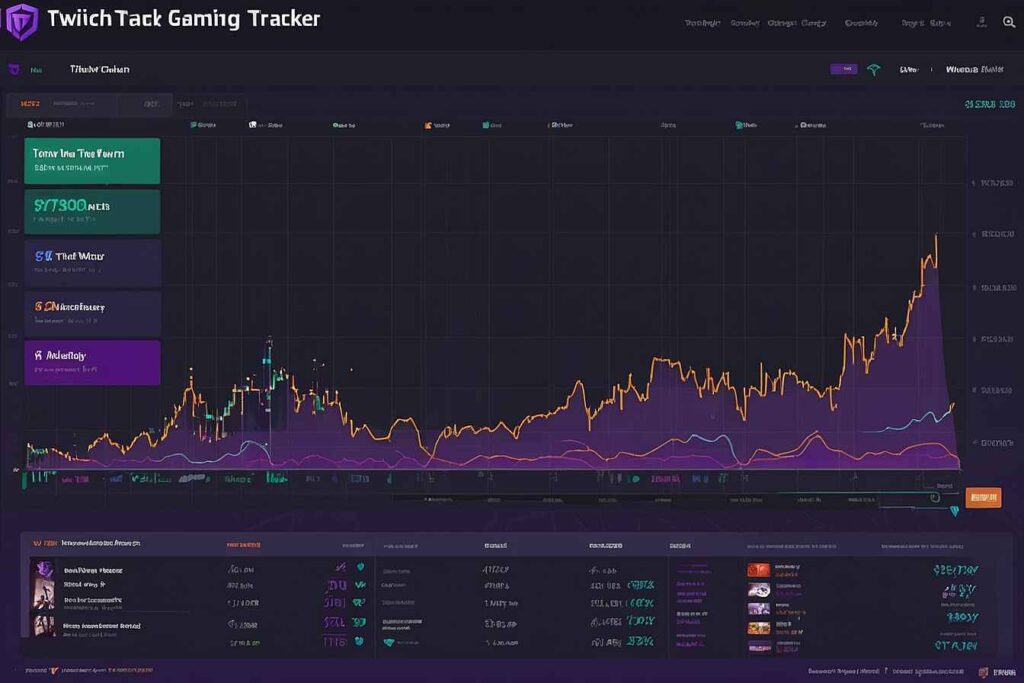
Top streaming channels don't just happen by accident; they engineer audience retention using precise analytics. By studying real-time and historical performance metrics on platforms like TwitchTracker, professional creators deconstruct how viewers consume content, what keeps them locked in for hours, and how to structure broadcasts to maximize engagement.
Instead of guessing what works, data-driven creators monitor concurrent viewership curves, chat interaction rates, and watch-time ratios. When you look closely at the numbers behind channels pulling tens of thousands of concurrent viewers, clear patterns emerge. They design pacing structures that eliminate dead air, orchestrate community loops, and treat every broadcast as an interactive event rather than a passive broadcast.
Analyzing the Metrics That Actually Drive Retention
Most beginner creators focus entirely on follower counts. Professional analysts know that total followers mean little if average concurrent viewers (CCV) remain flat. Metrics such as hours watched, viewer retention curves, and chat message velocity tell the real story of how a broadcast commands attention.
When top creators evaluate their performance data, they look at specific efficiency indicators:
- Viewer-to-Follower Conversion: Tracking how many live viewers actually hit the follow button during high-energy segments.
- Watch Time Distribution: Examining where drop-offs occur during a broadcast to fix pacing issues or awkward transitions.
- Stream Duration vs. Peak Viewers: Finding the exact sweet spot where audience fatigue begins to outweigh content quality.
For example, looking at global viewership data on Streams Charts, top-ranked creators often balance high stream lengths with dense, high-interaction segments to keep their overall average concurrent viewer count high without burning out their core audience.
Structuring Broadcasts for Maximum Viewer Engagement
To dominate screen time, top creators design broadcasts with built-in narrative arcs. A standard multi-hour stream is broken down into distinct chapters, each serving a specific psychological purpose for the viewer.
The Opening Hook and Context Setup
The first ten minutes determine whether a casual browser stays or bounces. Top creators skip long, silent setup phases. They open with an immediate hook, address active chat members directly, and clearly outline the broadcast agenda. This eliminates ambiguity and gives viewers a reason to commit their time.
Mid-Stream Pacing and Micro-Interactions
Sustaining attention over a four-to-six-hour window requires deliberate shifts in energy. Creators alternate between high-focus gameplay or intense discussion and low-stakes conversational breaks. They use custom sound effects, chat polls, and direct call-outs to reset attention spans just as viewer drift begins to climb.
Common Mistakes That Kill Stream Watch Time
Many aspiring creators sabotage their own growth through structural errors that analytics instantly expose. Avoiding these traps is essential for anyone trying to build a sustainable audience.
- Inconsistent Scheduling: Broadcasting at random times prevents regular viewers from building a habit around your content.
- Ignoring Dead Air: Leaving long periods of silence while focused on complex tasks causes sharp drop-offs in concurrent viewership.
- Chasing Vanity Metrics: Focusing on raw views instead of average watch time and chat engagement leads to poor content optimization.
Frequently Asked Questions
How do top streamers use analytics to plan content?
Successful creators review performance dashboards weekly to identify which games, formats, or co-stream events generated the highest average concurrent viewers and chat velocity, doubling down on those specific formats.
Why is average concurrent viewership more important than total followers?
Followers represent cumulative historical sign-ups, many of whom may be inactive. Average concurrent viewers measure active, real-time attention, which directly correlates with monetization potential and algorithm favorability.
How can smaller creators improve their broadcast pacing?
Review your past broadcast recordings as an outsider. Note every timestamp where you feel bored or distracted, and cut or restructure those segments in future streams to maintain a tighter narrative rhythm.


