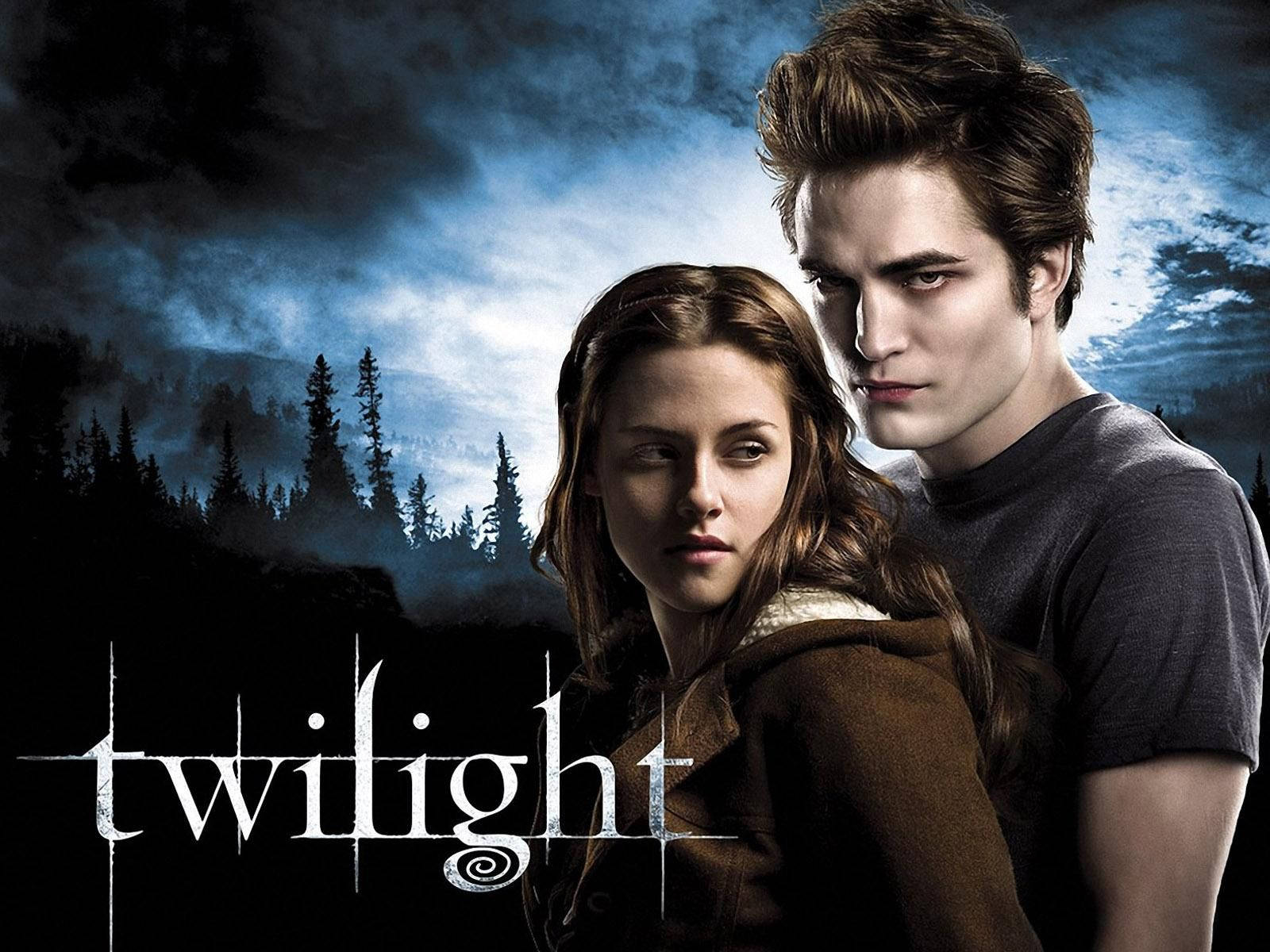
Stephenie Meyer's 2005 novel Twilight captured a massive cultural audience by blending adolescent romance with traditional gothic elements. Beneath the surface of the teenage love story between Bella Swan and Edward Cullen lies a dense network of recurring symbols and motifs. These literary devices externalize internal conflicts concerning identity, mortality, and the pull of the forbidden.
Understanding the mystic within Twilight requires looking past the superficial romance tropes to examine how weather, folklore revisions, and biological metaphors construct its deeper meaning. The narrative uses deliberate visual and atmospheric cues to mirror Bella's psychological transition from an ordinary human existence into an ambiguous supernatural underworld.
The Liminal Significance of Twilight
The title itself establishes the primary motif of the narrative. Twilight is neither fully day nor fully night; it occupies a transitional borderland. This liminal state directly mirrors Bella Swan's position throughout the text. When she arrives in Forks, she exists between childhood and adulthood, and soon finds herself torn between the mortal human world and the immortal vampire sphere.
In gothic literature, threshold spaces frequently represent danger and transformation. Bella's attraction to Edward positions her on the edge of a precipice where her mortal identity risks total erasure. The twilight hour allows the Cullen family to move about relatively safely, functioning as a physical manifestation of their ambiguous societal status. They are neither wholly monstrous predators nor completely human, existing in a moral grey area that defies traditional folklore boundaries.
Weather and Atmospheric Isolation as Psychological Mirrors
The persistent gloom, rain, and dense forest canopy of Forks, Washington, function far beyond simple background scenery. Meteorological oppression acts as an objective correlative for Bella's internal alienation. The constant overcast skies create a damp, enclosed mood that isolates the characters from the outside world.
- The Constant Rain: Mirrors the heavy emotional burden and melancholy Bella feels upon leaving her mother in sunny Phoenix.
- The Evergreen Forest: Acts as a labyrinthine gothic space where hidden threats lurk, symbolizing the obscured truths of Edward's nature.
- The Lack of Direct Sunlight: Prevents the Cullens from mingling freely in open spaces, reinforcing their fundamental separation from human society until Edward reveals his sparkling skin in the forest clearing.
The weather establishes a damp, muted palette that heightens the dramatic contrast when supernatural elements break through the gloom.
Blood and Hunger as Metaphors for Desire
In classic vampire mythology, blood represents contagion, violation, and mortality. In Twilight, Meyer reframes blood and hunger as externalized manifestations of overwhelming adolescent desire and physical vulnerability. Edward's intense physical attraction to Bella is inseparable from his predatory hunger. This duality turns normal romantic longings into high-stakes moral dilemmas.
For Edward, Bella's scent is an intoxicating temptation that tests his century-long commitment to self-restraint. This dynamic subverts traditional gender roles in gothic fiction; the physically superior male is rendered vulnerable and paralyzed by his biochemical reaction to an ordinary teenage girl. Blood functions not just as sustenance, but as the literal fluid currency of sacrifice, risk, and intimacy.
Light, Darkness, and the Subversion of Vampire Folklore
Traditional vampire lore dictates that vampires perish or burn in direct sunlight. Meyer alters this rule by having the Cullens sparkle like diamonds in the sun. This literary choice carries heavy symbolic weight. Instead of light acting as an agent of holy destruction, sunlight exposes the true, unmasked nature of the vampire, stripping away the protective cover of shadows.
Edward is consistently framed through paradoxical imagery of light and darkness. He possesses skin like marble, eyes that shift color based on thirst, and a cold, statuesque beauty that mimics classic angelic or demonic art. By making the predator look angelic and luminous, the text complicates traditional definitions of good and evil, forcing Bella—and the reader—to question whether attractive surfaces can mask lethal internal realities.
Frequently Asked Questions
What does the apple on the cover of Twilight symbolize?
The apple on the original book cover references the biblical forbidden fruit from the Garden of Eden. It symbolizes temptation, the knowledge of good and evil, and the choice Bella faces when she is drawn to the forbidden allure of Edward Cullen.
Why do the vampires in Twilight sparkle instead of burn?
Stephenie Meyer chose to have her vampires sparkle in the sunlight to distance them from traditional cinematic tropes and emphasize their inhuman, statuesque beauty. Symbolically, it prevents them from hiding completely in traditional monster tropes, forcing them to reveal their true nature when exposed to light.
How does the setting of Forks affect the plot?
Forks provides an isolated, rainy backdrop that cuts characters off from normal societal surveillance. According to literary analyses by academic sources like Lund University research on YA gothic tropes, remote settings are a core gothic convention that amplifies claustrophobia, emotional intensity, and vulnerability.
Is Bella's relationship with Edward meant to be interpreted as a literal or metaphorical romance?
While written as a supernatural romance, literary critics often analyze the relationship through a metaphorical lens, viewing the vampire dynamic as an exploration of obsessive first love, social alienation, and the profound anxiety of losing one's identity within a dominant partner's world.