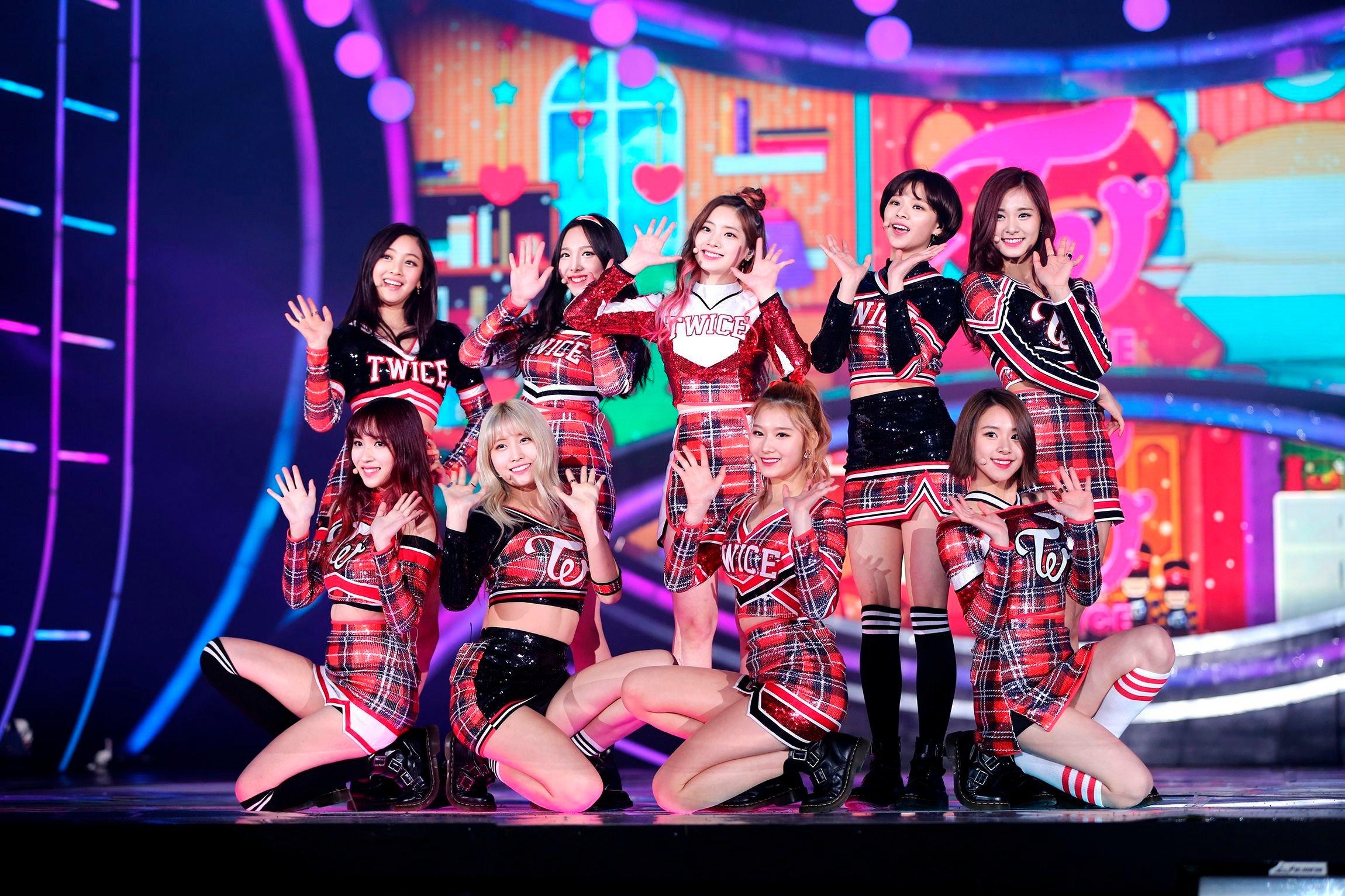
When you listen to a Twice love song, you're hearing more than just a bright bubblegum pop hook. Behind the infectious synth-pop beats and high-energy choreography lies a careful exploration of modern romance, youthful longing, and the gap between fantasy and reality.
Understanding the stories behind these tracks requires looking past the bubblegum surface. From the existential curiosity of "What Is Love?" to the intense craving in "More & More", Twice's romantic discography maps out the emotional lifecycle of a crush, moving from naive wonder to bold pursuit and quiet hesitation.
The Evolution of Romance in Twice Discography
Twice didn't start with complex ballads about heartbreak. Their early era defined a very specific brand of innocent, bright-eyed infatuation. Tracks like "Cheer Up" and "Likey" framed romance through the lens of young social anxiety and the playful games of modern communication.
In "Likey", the lyrics tackle the performative nature of social media and modern affection. The famous lines about wanting to look pretty and waiting for a notification capture the awkward thrill of digital-age dating. It's a love song disguised as a social media commentary, addressing how public perception shapes personal romance.
As the group matured, their sonic identity shifted toward maturity and direct emotional confrontation. Songs released in their later eras dropped the innocent metaphors, exploring the psychology of desire head-on.
Decoding the Core Narrative of What Is Love?
Released as the title track of their fifth mini-album, "What Is Love?" remains the definitive anchor for understanding Twice's lyrical approach to romance. Written by J.Y. Park, the track addresses a universal rite of passage: learning about love second-hand.
The opening lines set the scene immediately:
- Learning about romance through movies, books, and dramas instead of personal experience.
- Wondering if that kind of sweet, candy-like feeling will ever happen in real life.
The brilliance of the song's storytelling is its self-awareness. The members aren't claiming to be romance experts. Instead, they position themselves as wide-eyed observers who have studied love in pop culture and are now eagerly waiting to test it out in the real world.
The Cinematic Visual Metaphor
The music video for "What Is Love?" acts as a visual extension of the lyrics, directly reinforcing the storytelling. Each member re-enacts iconic scenes from classic romance films and coming-of-age movies, including:
- Romeo + Juliet
- La La Land
- Pulp Fiction
- Ghost
By inserting themselves into these cinematic tropes, Twice highlights the core theme of the lyrics: human beings build their initial templates for love through media. The song questions whether real-life affection can live up to the Hollywood standard.
Escalation and Urgency: The Darker Side of Infatuation
Not all Twice love songs focus on sweet daydreams. Tracks like "Fancy" and "More & More" introduce a sharper, more assertive narrative voice that subverts traditional K-pop expectations for female groups.
In "Fancy", the lyrics flip the script on traditional courtship. Instead of waiting passively for a confession, the narrator takes total control, stating that she will make her crush fall for her first. It shifts the power dynamic of the love song, trading submissive longing for confident initiative.
Meanwhile, "More & More" leans into a more obsessive, urgent psychological space:
- The fear of satisfaction fading away.
- An insatiable hunger for intimacy that refuses to pause.
- The thin line between deep affection and intense possessiveness.
This progression proves that Twice's catalog functions as a narrative timeline. They capture how a crush evolves from innocent daydreaming into a demanding, high-stakes emotional investment.
Common Misconceptions About K-Pop Love Songs
Many casual listeners assume that mainstream idol groups simply sing generic lines about holding hands and breaking hearts. However, analyzing K-pop lyrics through a localized lens reveals distinct cultural nuances.
- The Trap of Literal Translation: Direct English translations often miss the colloquial idioms used in Korean lyricism. Nuances regarding hesitation, social standing, and emotional debt get flattened into basic pop clichés.
- The Brightness Contrast: A recurring signature of Twice's discography is juxtaposing melancholic or anxious lyrics with major-key, upbeat melodies. A song that sounds like a summer party often tells a story of unrequited anxiety or the exhausting pressure of modern dating.
To dive deeper into how major entertainment agencies structure lyrical concepts, you can explore updates and releases directly via JYP Entertainment.
Frequently Asked Questions
What was the first Twice song to shift away from innocent concepts?
"Fancy", released in 2019, marked a major turning point. It traded the bright, cheerful cheerleading concepts of their early years for a bolder, more mature electro-pop sound and confident lyricism.
Who writes the lyrics for most Twice hit songs?
While J.Y. Park writes many of their core title tracks, various external and in-house songwriters contribute. Crucially, the members themselves—including Dahyun, Chaeyoung, and Jihyo—frequently write their own rap verses and B-side lyrics, infusing personal perspectives into the group's storytelling.
Are Twice love songs autobiographical?
Generally, no. Like most pop acts, the tracks are crafted to be universally relatable rather than literal diary entries, though members have noted that they draw on universal human emotions to deliver authentic performances.
Why do upbeat Twice tracks sometimes have sad lyrics?
This intentional contrast is a staple of the group's identity. Pairing upbeat production with vulnerable or anxious lyrics mirrors real life, where people often mask inner hesitation with a bright exterior.



