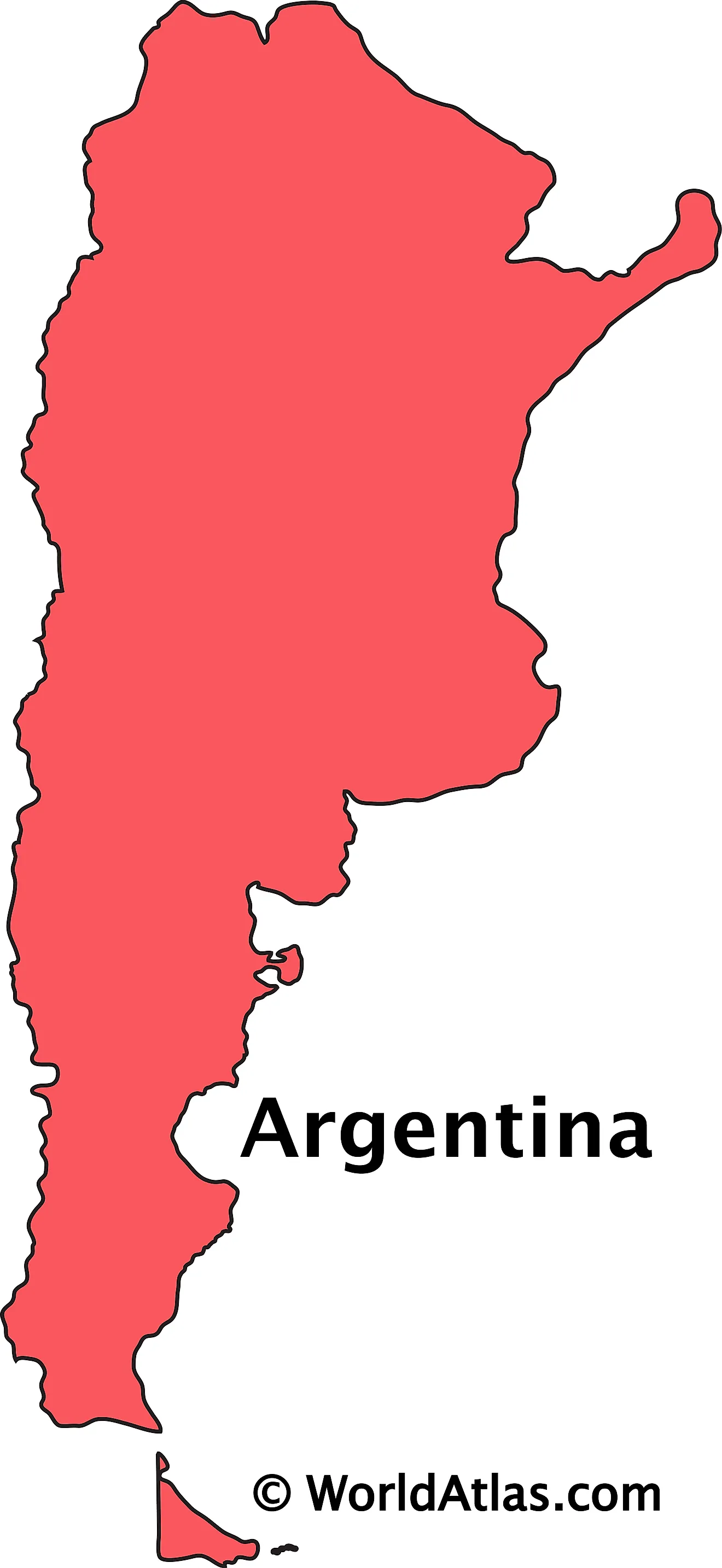
Television broadcasts across South America function as powerful instruments of political polarization, mirroring the deep ideological chasm separating Argentina and Venezuela. Rather than serving as neutral windows to reality, national screens shape how citizens perceive sovereignty, social welfare, and democracy. Understanding this dynamic requires examining how distinct regulatory frameworks and broadcasting traditions manufacture divergent political narratives.
The contrast stems from two opposing models of state-media relations. Argentina operates within a fragmented, highly commercialized media ecosystem characterized by fierce private competition and partisan antagonism. Conversely, Venezuela maintains a centralized, state-directed broadcasting apparatus designed to reinforce executive power. These structural divergences dictate how each country frames domestic crises and foreign policy, feeding a broader continental schism.
The Structural Anatomy of Argentine Broadcasting
Argentina's media landscape reflects decades of political volatility, oscillating between aggressive state intervention and powerful private conglomerates. Major private networks, anchored by media groups like Clarín, frequently adopt adversarial stances toward populist administrations. This adversarial posture generates a daily battleground where news programming acts as an active political opposition rather than a passive observer.
At the same time, state-backed channels attempt to project counter-narratives emphasizing wealth redistribution, labor rights, and regional integration with leftist governments. This duality creates a polarized viewing public. Citizens don't just tune in for updates; they select networks that validate their preexisting political identities. Editorial tone, graphic design, and anchor commentary shift dramatically depending on whether a broadcast originates from a private corporate studio or a public cultural station.
The Impact of Media Laws and Polarization
Legislative battles over media ownership have historically defined Argentine politics. Contentious broadcasting laws aim to break up media monopolies, but critics often view them as thinly veiled attempts to silence independent journalism. When administrations change, regulatory bodies are routinely restructured, altering broadcast licenses and shifting the ideological balance of evening news programs. This constant flux keeps the media environment hyper-politicized, ensuring that everyday events—from inflation rates to public transit strikes—are filtered through an ideological lens.
The Venezuelan Model of State-Directed Information
In contrast to Argentina's decentralized friction, Venezuela's television sector represents a consolidated instrument of governance. Following extensive restructuring of the national media space, state-controlled networks like Venezolana de Televisión (VTV) dominate the airwaves. Programming schedules synchronize closely with executive policy announcements and ideological campaigns.
News broadcasts in Venezuela prioritize systemic stability, anti-imperialist rhetoric, and the promotion of social missions. Visual aesthetics rely on formal backdrops, patriotic symbols, and controlled camera framing to project institutional strength. Independent reporting is largely pushed to the margins or forced into digital exile, as economic constraints and regulatory penalties limit terrestrial opposition voices. Consequently, domestic viewers face a starkly uniform official narrative, which stands in sharp relief against the chaotic pluralism found on Argentine screens.
Cross-Border Transmission and Ideological Diplomacy
Television broadcasts do not stop at national borders; they act as tools of regional influence and soft power. Transnational networks like teleSUR, initially founded with backing from several leftist Latin American governments, sought to counter Anglo-American media dominance and promote a unified South American narrative.
However, these international broadcast ventures often become casualties of shifting diplomatic tides. When political leadership changes in countries like Argentina, new administrations frequently sever ties with state-funded regional networks, citing a lack of pluralism and state-directed propaganda. These withdrawals highlight how television infrastructure is weaponized during ideological realignments, isolating or integrating countries based on who holds executive power.
Common Misconceptions About South American TV
Observers often misinterpret the nature of media bias in South America by viewing it through a purely North American lens. Several persistent myths surround how these television ecosystems operate.
- Myth: Private media is always objective. In countries like Argentina, private commercial networks have distinct corporate and political alignments, practicing an aggressive form of anti-populist journalism that can be just as partisan as state media.
- Myth: State TV has zero audience. While viewership for official channels can be low during non-mandatory broadcasts, mandatory national network hookups—known as cadenas—ensure that presidential addresses reach every household simultaneously.
- Myth: Digital media has completely replaced television. Although internet streaming is growing, traditional television remains a primary source of news for older demographics and rural populations with limited broadband infrastructure.
Frequently Asked Questions
How do Argentine and Venezuelan TV broadcasts differ in visual style?
Argentine broadcasts favor dynamic urban backdrops, fast-paced editing, and emotionally charged segments that mirror ongoing street protests. Venezuelan state broadcasts use formal studio designs, classical motifs, and controlled camera movements to project stability and institutional authority.
What role did regional networks play in South American politics?
Networks like teleSUR were created to foster regional integration and offer a Latin American perspective on global events. However, their funding and distribution fluctuate depending on the ideological alignment of participating member states.
Why do changes in government immediately affect media policy in Argentina?
Because regulatory agencies and public media funding are tied to the executive branch, incoming administrations frequently overhaul media oversight to reshape the national political narrative and favor their political allies.
How do citizens access alternative viewpoints if television is polarized?
Audiences increasingly turn to independent digital outlets, YouTube channels, and encrypted messaging platforms to bypass traditional censorship or heavily partisan framing.


