Turkey occupies a volatile geopolitical intersection where European markets meet Middle Eastern realities and Central Asian ambitions. Understanding this country requires looking past glossy tourism campaigns or abrupt headline shocks. Instead, analysts must examine a complex web of structural monetary reforms, shifting political alignments, and a vibrant, polarized cultural ecosystem that continues to redefine national identity.
Economic stabilization remains the primary battleground for everyday citizens and state planners alike. Following years of severe currency depreciation and soaring consumer prices driven by unorthodox monetary experiments, recent stabilization measures have pulled annual inflation down from historic peaks toward the thirty percent threshold. Yet, the cost of living remains a central pressure point. High borrowing costs have squeezed small and medium-sized enterprises, forcing a delicate balancing act between cooling domestic demand and maintaining industrial output.
Beneath headline gross domestic product figures, Turkey operates as a major industrial powerhouse. Manufacturing sectors—ranging from automotive assembly and consumer electronics to a booming domestic defense industry—anchor the country's export capabilities. Major firms supply hardware and technology to global markets, creating pockets of intense economic resilience even as household budgets feel the pinch of structural adjustments.
Political dynamics mirror this economic tension, characterized by long-standing executive centralization and ongoing strategic realignments. The government navigates a complex foreign policy path, balancing its foundational role as a NATO member with independent diplomatic maneuvers across the Black Sea, the Caucasus, and the Middle East. Domestically, discussions surrounding potential electoral timelines and regional diplomacy keep political risk premiums elevated for foreign investors. Institutional checks and balances continue to face heavy scrutiny from international observers, who monitor how administrative appointments and regulatory shifts impact legal predictability.
Culture acts as the mirror reflecting these structural tensions. Urban centers like Istanbul host a thriving contemporary art scene, independent cinema movement, and digital creator economy that appeals to a young, globally connected demographic. At the same time, traditional values and conservative social policies retain deep institutional backing, creating a dynamic cultural tug-of-war. This friction between secular modernization and traditional heritage shapes everything from public education curricula to urban architectural development.
Navigating the Turkish Economic Reality
For international businesses and local operators, navigating Turkey requires tracking specific macroeconomic indicators rather than relying on broad sentiment. The central bank's ongoing battle to anchor inflation expectations dictates corporate pricing strategies, wage adjustments, and capital expenditure timelines.
Tight liquidity conditions have forced businesses to restructure supply chains and optimize working capital. Companies that rely heavily on imported raw materials face margin compression whenever global energy prices spike or currency values fluctuate. Conversely, export-oriented manufacturers benefit from competitive logistics networks and proximity to European consumer markets, maintaining steady order books despite sluggish domestic purchasing power.
- Foreign Direct Investment: Investors look closely at regulatory transparency, judicial consistency, and predictability in monetary policy before committing long-term capital.
- Labor Market Pressures: Urban wages face constant upward pressure to match cost-of-living adjustments, while youth unemployment remains a stubborn structural hurdle despite a large, educated workforce.
- Energy Dependency: As a major net importer of hydrocarbons, Turkey's current account balance remains sensitive to shifts in global oil and natural gas prices.
You can review official macroeconomic datasets and regulatory updates directly through the Central Bank of the Republic of Turkey.
Political Shifts and Strategic Positioning
The political landscape is defined by pragmatism and calculated domestic positioning. Long-term leadership under the Justice and Development Party (AKP) has reshaped state administration, municipal governance, and international alliances.
Foreign policy operates through a lens of strategic autonomy. Ankara frequently acts as a mediator in regional conflicts while advancing its defense manufacturing footprint. Exports of advanced tactical gear, naval systems, and aerial drones have transformed Turkey into a vital defense exporter for international partners, cementing industrial ties that insulate the broader economy from localized downturns.
Domestically, political survival hinges on managing inflation perceptions and addressing public fatigue over housing costs. Major urban centers have seen exponential rent increases over recent years, turning urban housing affordability into a top-tier political issue that transcends traditional partisan divides.
Cultural Evolution and Social Identity
Turkish culture thrives on contradiction and synthesis. The country's demographic profile—skewing younger than much of Western Europe—drives a fast-paced digital consumer culture. Local streaming platforms, independent music labels, and fashion startups enjoy massive domestic engagement.
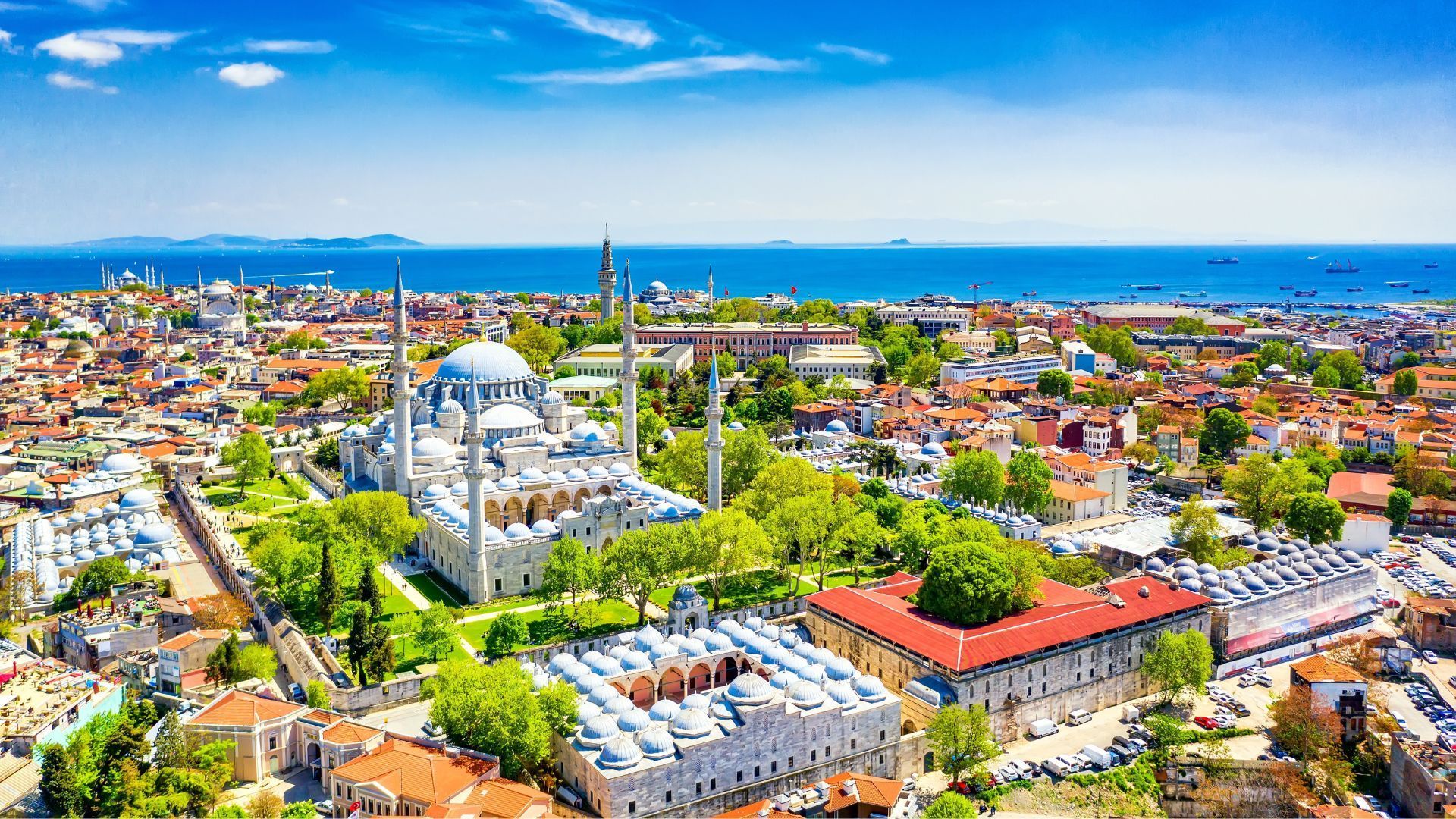
However, this modern expression coexists with a resilient conservative core. Public discourse frequently centers on the preservation of traditional family structures, historical heritage, and religious values in public life. This duality manifests clearly in urban architecture, where historic Ottoman-era neighborhoods sit adjacent to futuristic commercial districts and high-density residential towers.
- Media Consumption: Independent digital journalism and alternative media platforms have largely replaced traditional broadcast networks among younger demographics seeking unfiltered viewpoints.
- Tourism Resurgence: Cultural and medical tourism continue to break seasonal records, drawing millions of visitors to historical sites in Istanbul, Cappadocia, and Aegean coastal regions.
Detailed cultural preservation frameworks and national heritage programs are regularly updated through the Turkish Ministry of Culture and Tourism.
Frequently Asked Questions
What is the current state of Turkey's inflation?
Annual consumer price inflation hovers around thirty percent following aggressive monetary tightening and stabilization policies. While this marks a significant slowdown from previous multi-decade highs, sticky service and housing costs continue to pressure household budgets.
How does Turkey manage its foreign policy stance?
Turkey maintains a policy of strategic autonomy, balancing its historical commitments as a key NATO member with independent diplomatic and economic partnerships across Russia, the Middle East, and Central Asia.
What are the main drivers of the Turkish economy?
Industrial manufacturing, automotive production, defense technology exports, textiles, and a massive tourism sector form the backbone of economic activity. Services and domestic consumption also account for a major share of employment.
How are cultural dynamics changing in urban areas?
Urban centers feature a tug-of-war between a digitally connected, secular youth culture and traditional conservative values, influencing everything from local entertainment to architectural development and public education priorities.



