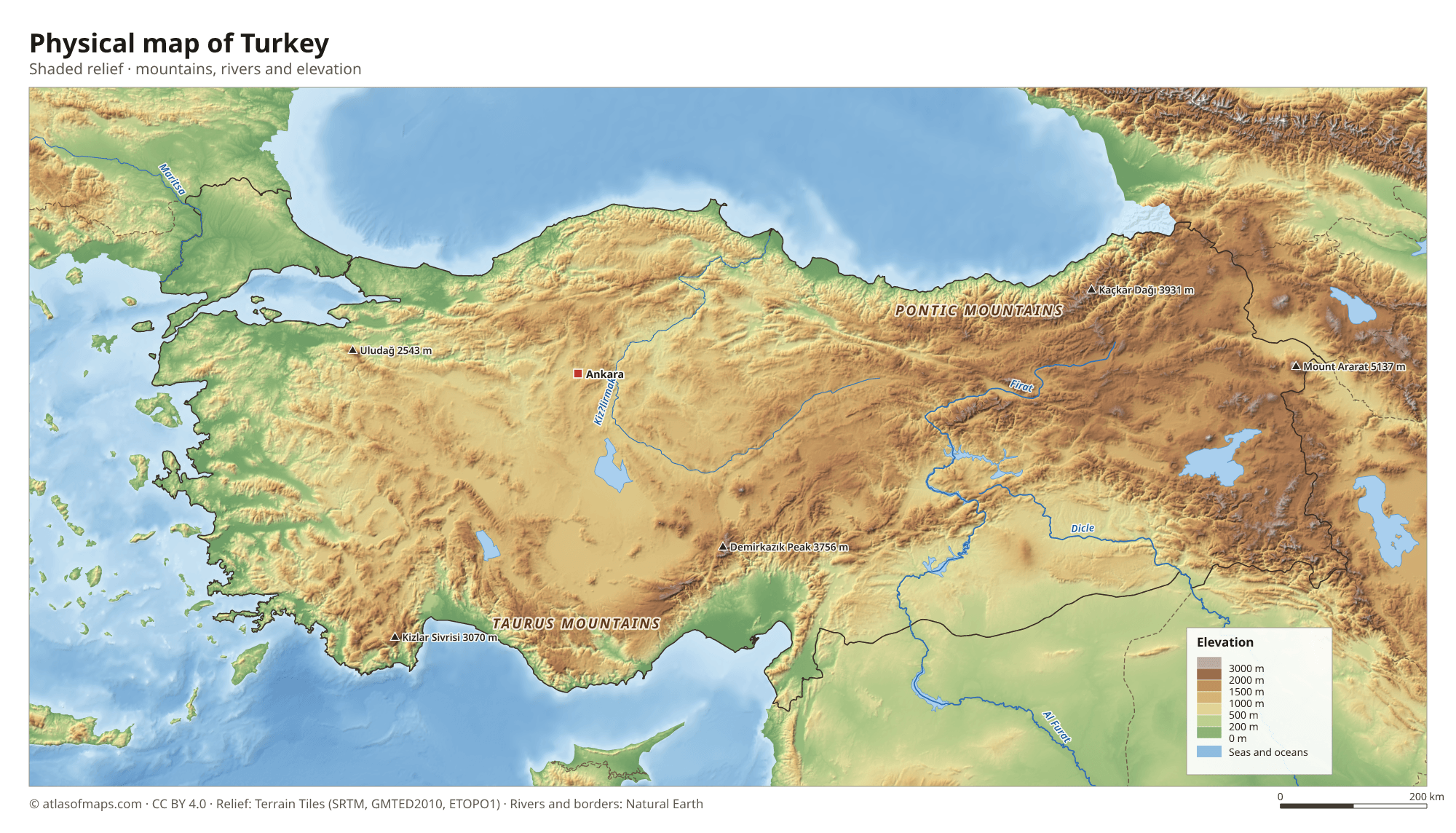
Visiting Turkey in November offers a sharp contrast to the scorching crowds of summer, trading beach umbrellas for cozy city cafes and crisp hiking paths. If you're planning a trip during this late-autumn shoulder season, expect dramatic regional differences: the Mediterranean coast stays comfortably mild, while Istanbul faces brisk marine winds and Central Anatolia slips toward freezing.
Understanding Turkey Weather in November
November isn't a single weather story across Turkey. The country spans multiple distinct climate zones, meaning a sunny afternoon in Antalya feels entirely separate from a frosty morning in Cappadocia or a rain-swept ferry ride across the Bosphorus.
Rainfall picks up notably compared to the dry summer months, particularly along northern and western coasts. However, storms usually arrive in sharp bursts rather than endless gray drizzles, leaving plenty of bright windows for sightseeing.
Regional Climate Breakdown
- Istanbul and the Marmara Region: Daytime highs hover around 14°C to 16°C (57°F to 61°F), dropping to about 8°C at night. Expect overcast skies, brisk marine winds, and frequent rain showers.
- The Mediterranean Coast (Antalya, Alanya): This remains the warmest escape, with daytime temperatures reaching a pleasant 21°C (70°F). While the sea cools down, calm afternoons often feel like T-shirt weather.
- The Aegean Coast (Izmir, Ephesus): Daytime temperatures average around 17°C to 19°C (62°F to 66°F). It's crisp, peaceful, and ideal for long walks through ancient ruins without tourist congestion.
- Central Anatolia (Cappadocia, Ankara): Temperatures drop sharply, with daytime highs near 11°C (52°F) and nighttime lows dipping close to freezing (around 2°C to 4°C). Clear blue skies are common, but mornings require heavy winter gear.
Navigating Autumn Storms and Coastal Chill
Coastal storms can kick up rough seas along the Black Sea and the Marmara, occasionally disrupting ferry schedules or outdoor plans. When a sudden autumn storm hits Istanbul or the Aegean coast, don't let it ruin your day. Pivot immediately to indoor cultural hubs.
Explore the Ministry of Culture and Tourism portal to check official hours for major historical sites and indoor museums. Shift your itinerary toward covered spaces like the Grand Bazaar, the Istanbul Archaeology Museums, or a traditional Turkish hammam. A steaming-hot scrub and foam massage in a marble bathhouse turns a rainy afternoon into an authentic cultural highlight.
Along the coast, wind-resistant outerwear is essential. A lightweight windbreaker won't cut it when a stiff gale sweeps off the water. Pack a sturdy, compact umbrella and waterproof footwear with good traction, as wet stone streets and ancient marble ruins become slick after a downpour.
Best Regions to Visit in November
Choosing where to go depends entirely on your tolerance for cooler temperatures and your desire for outdoor versus indoor exploration.
Istanbul for Culture and Food
Istanbul shines during late autumn. Without summer heatwaves, walking the historic peninsula from Sultanahmet to Eminönü is infinitely more comfortable. Queues at top sights like Hagia Sophia and Topkapi Palace are manageable, and lingering over a long Turkish breakfast in a warm café sets a slow, local pace.
Cappadocia for Quiet Valleys
Cappadocia in November offers dramatic landscapes bathed in low, golden light. Hot air balloon flights still operate on clear mornings, though wind cancellations happen more frequently than in summer. Because visitor numbers drop drastically, you'll have famous underground cities and rock-cut churches largely to yourself.
The Lycian Way and Southern Trails
If you love hiking, early to mid-November is prime time for the Lycian Way along the southern coast. The searing heat of July and August is gone, making rugged coastal paths comfortable for active travelers. Just keep an eye on local forecasts for sudden mountain downpours.
Practical Travel Tips for November
- Plan around short daylight hours: Turkey stays on permanent UTC+3 time, meaning the sun sets before 18:00 across most of the country. Start your outdoor sightseeing early in the morning to maximize daylight.
- Pack versatile layers: Bring thermal base layers for Cappadocia, sweaters for Istanbul, and lighter shirts for sunny afternoons in Antalya. Layering is the only way to stay comfortable as temperatures shift between sun and shade.
- Book domestic travel flexibly: High winds and rain can occasionally cause minor delays for regional flights or ferry crossings. Leave buffer time in your schedule if you're catching an international connection out of Istanbul.
- Take advantage of low season pricing: Accommodation and domestic flights are generally cheaper in November, giving you better value for boutique hotels and cave suites.
Frequently Asked Questions
Can you still swim in Turkey in November?
Swimming is generally off-limits unless you're exceptionally hardy. While the Mediterranean sea around Antalya holds some lingering warmth early in the month (averaging around 21°C), air temperatures and chilly winds make beach days rare.
Do historical sites have shorter hours in November?
Yes. Many open-air museums and historical ruins shift to winter operating hours, typically closing earlier in the afternoon (around 17:00) to align with sunset. Check schedules ahead of time so you don't arrive right before the gates shut.
Is public transport affected by autumn storms?
Standard urban transit like metros, trams, and ferries run on regular schedules, but high winds on the Bosphorus or rough seas along coastal ferry routes can prompt temporary cancellations. Always check local marine notices if you plan to travel between islands or across the strait on stormy days.
What should I pack for a multi-region trip?
You need a suitcase that bridges two seasons. Pack a heavy winter coat, hat, and gloves if you are visiting Central Anatolia, alongside a waterproof jacket, comfortable walking shoes, and lighter layers for the southern coast.


