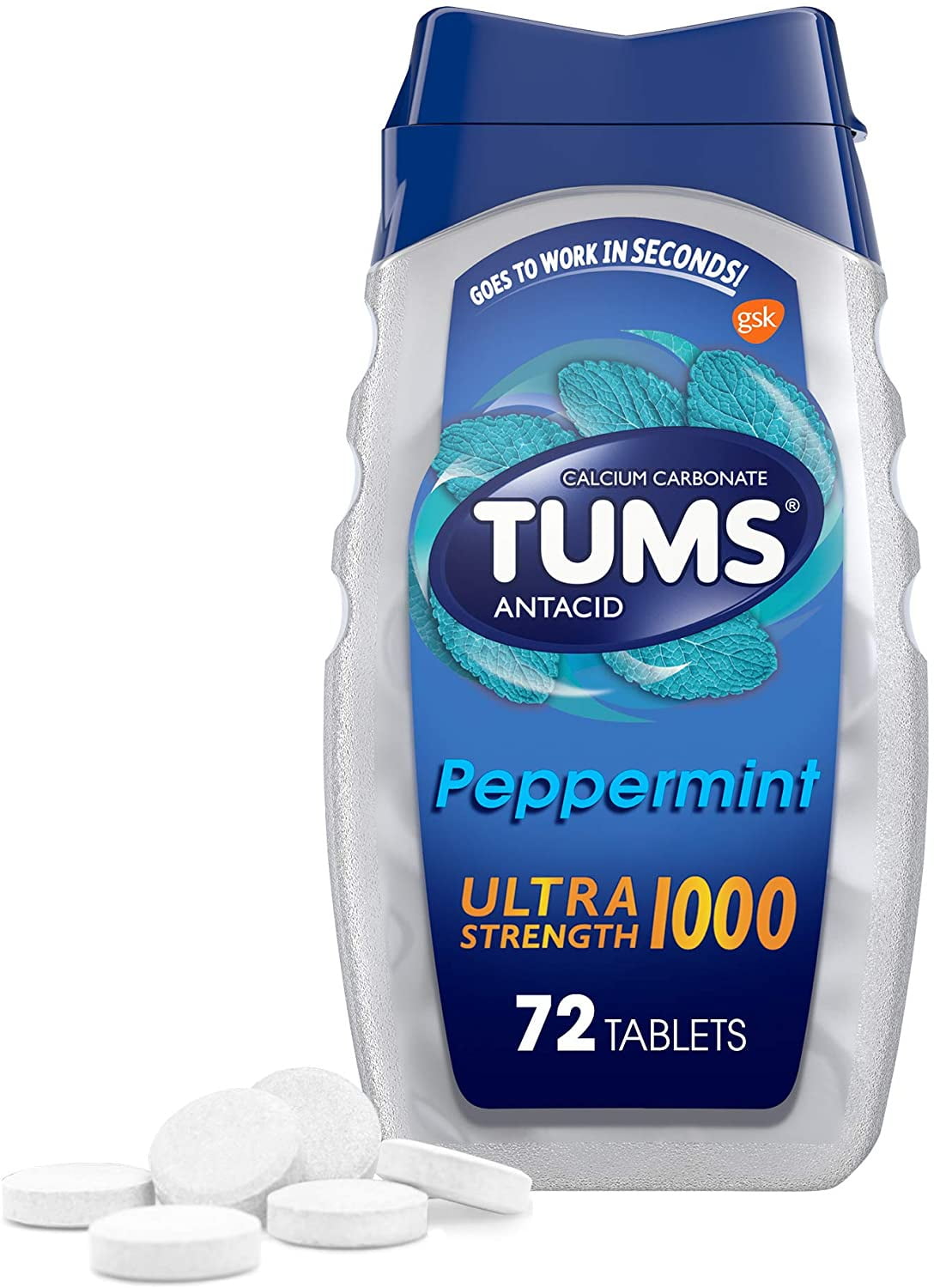
Waking up after a heavy night of drinking often brings a familiar mix of misery: a throbbing head, dry mouth, and a churning stomach that feels entirely rebellious. When you reach for relief, you might spot a bottle of Tums on the counter and wonder if calcium carbonate can do double duty for your morning-after misery. The short answer is no, Tums won't cure a hangover headache, but they can offer targeted relief for specific gastrointestinal symptoms.
To understand why, it's helpful to look at what alcohol actually does to your body. Alcohol irritates the gastric mucosa, prompting your stomach to ramp up acid production. This leads directly to the acid reflux, sour stomach, and nausea that plague many people the morning after. Antacids neutralize that excess stomach acid quickly, calming the burning sensation in your esophagus and easing upper abdominal discomfort. However, a postparty headache stems from entirely different physiological mechanisms, including dehydration, vasodilation, electrolyte imbalances, and the inflammatory byproducts of ethanol metabolism. Because antacids do not address brain inflammation or systemic fluid loss, they cannot fix the core drivers of a hangover headache.
Why Alcohol Triggers Stomach Distress and Headaches
When you consume alcohol, your body processes it through a series of chemical transformations. Ethanol breaks down into acetaldehyde, a toxic byproduct that creates systemic oxidative stress and inflammation. Simultaneously, alcohol acts as a potent diuretic by inhibiting the release of vasopressin, an antidiuretic hormone produced by the pituitary gland. This causes your kidneys to flush out significantly more water than you take in, leading to rapid dehydration and electrolyte depletion.
While your brain and nervous system react to this dehydration and inflammatory cascade with a throbbing headache, your digestive system handles the assault locally. Ethanol directly corrodes the protective lining of your stomach, stimulating gastric acid secretion. This mismatch between lowered mucosal defense and elevated acid output results in acute gastritis, acid indigestion, and severe nausea. Recognizing this division is crucial because it clarifies why a single remedy rarely solves every postparty symptom.
What Tums Can and Cannot Do for Your Hangover
Antacids like Tums rely on active ingredients such as calcium carbonate to neutralize hydrochloric acid in the stomach on contact. When you pop a couple of tablets after a night out, they raise your gastric pH within minutes, providing fast relief for specific complaints.
- Heartburn and acid indigestion: Tums effectively quell the burning sensation caused by acid splashing back into the esophagus.
- Nausea and sour stomach: By reducing overall acidity, they can settle a roiling stomach and make it easier to keep fluids down.
- Dietary calcium boost: They supply a dose of elemental calcium, though this is secondary to their primary buffering action.
Despite these benefits, antacids possess clear limitations. They do not accelerate the liver's metabolism of acetaldehyde, they cannot restore lost intravascular fluid volume, and they have zero impact on the neurovascular inflammation causing your head to pound. Relying on an antacid to cure a hangover is like using a fire extinguisher on a flooded basement—it addresses one specific variable while ignoring the actual crisis.
How to Build an Effective Hangover Recovery Protocol
Because hangovers are multi-systemic conditions involving dehydration, low blood sugar, electrolyte imbalances, and inflammation, you need a multi-pronged recovery strategy. Combining targeted symptom management with physiological replenishment gets you back on your feet much faster.
Rehydrate with Electrolytes
Water alone is often insufficient if you've lost critical minerals like sodium, potassium, and magnesium through excessive urination. Drink an oral rehydration solution or a low-sugar sports drink upon waking. Sipping fluids gradually prevents overloading a sensitive stomach.
Choose Pain Relievers Wisely
If you need relief for a postparty headache, reach for nonsteroidal anti-inflammatory drugs like ibuprofen or naproxen sodium rather than acetaminophen. Acetaminophen relies heavily on hepatic pathways that are already strained by processing residual alcohol, which significantly increases the risk of liver stress. Take your chosen anti-inflammatory with a small piece of food to minimize further gastric irritation.
Restore Blood Sugar and Nutrients
Alcohol metabolism depletes glycogen stores in the liver and triggers reactive hypoglycemia, contributing to fatigue and shakiness. Eat a gentle breakfast containing complex carbohydrates and easily digestible protein, such as oatmeal with sliced bananas or eggs on toast, to stabilize your blood glucose levels.
Common Mistakes to Avoid During Hangover Recovery
Many popular hangover myths can actually prolong your discomfort or introduce new health risks. Avoiding these missteps helps your body recover efficiently.
- The "hair of the dog" fallacy: Drinking more alcohol in the morning only delays the inevitable withdrawal and reintroduces toxins to your already compromised system.
- Overusing antacids: Popping excessive amounts of calcium carbonate can lead to acid rebound, where your stomach compensates by producing even more acid later in the day.
- Skipping hydration because of nausea: If plain water makes you feel sick, try sucking on ice chips or sipping small amounts of clear broth until your stomach settles.
For more details on how common medications interact with alcohol, check out this guide on medication safety and alcohol use. You can also review general wellness strategies through Medical News Today for additional evidence-based home remedies.
Frequently Asked Questions
Can taking Tums before drinking prevent a hangover?
Taking an antacid before you start drinking might coat your stomach and temporarily buffer initial acid production, but it will not prevent a hangover. It has no effect on blood alcohol concentration, dehydration rates, or the accumulation of toxic byproducts like acetaldehyde.
Is calcium carbonate safe to mix with alcohol?
While occasional use of calcium carbonate for acid reflux after drinking is generally safe for healthy adults, frequent combination can lead to digestive side effects or mask underlying issues like chronic gastritis. Always check package guidelines and consult a healthcare provider if you experience persistent gastrointestinal distress.
Why does alcohol make my stomach burn the next day?
Alcohol stimulates the parietal cells in your stomach lining to secrete excess hydrochloric acid while simultaneously weakening the mucosal barrier that protects your stomach tissue. This combination causes irritation, inflammation, and the burning sensation commonly known as heartburn.
What is the fastest way to get rid of a hangover headache?
The most effective approach involves aggressive rehydration with water and electrolytes, getting adequate rest, and taking an anti-inflammatory medication like ibuprofen once your stomach has settled enough to tolerate it safely.



