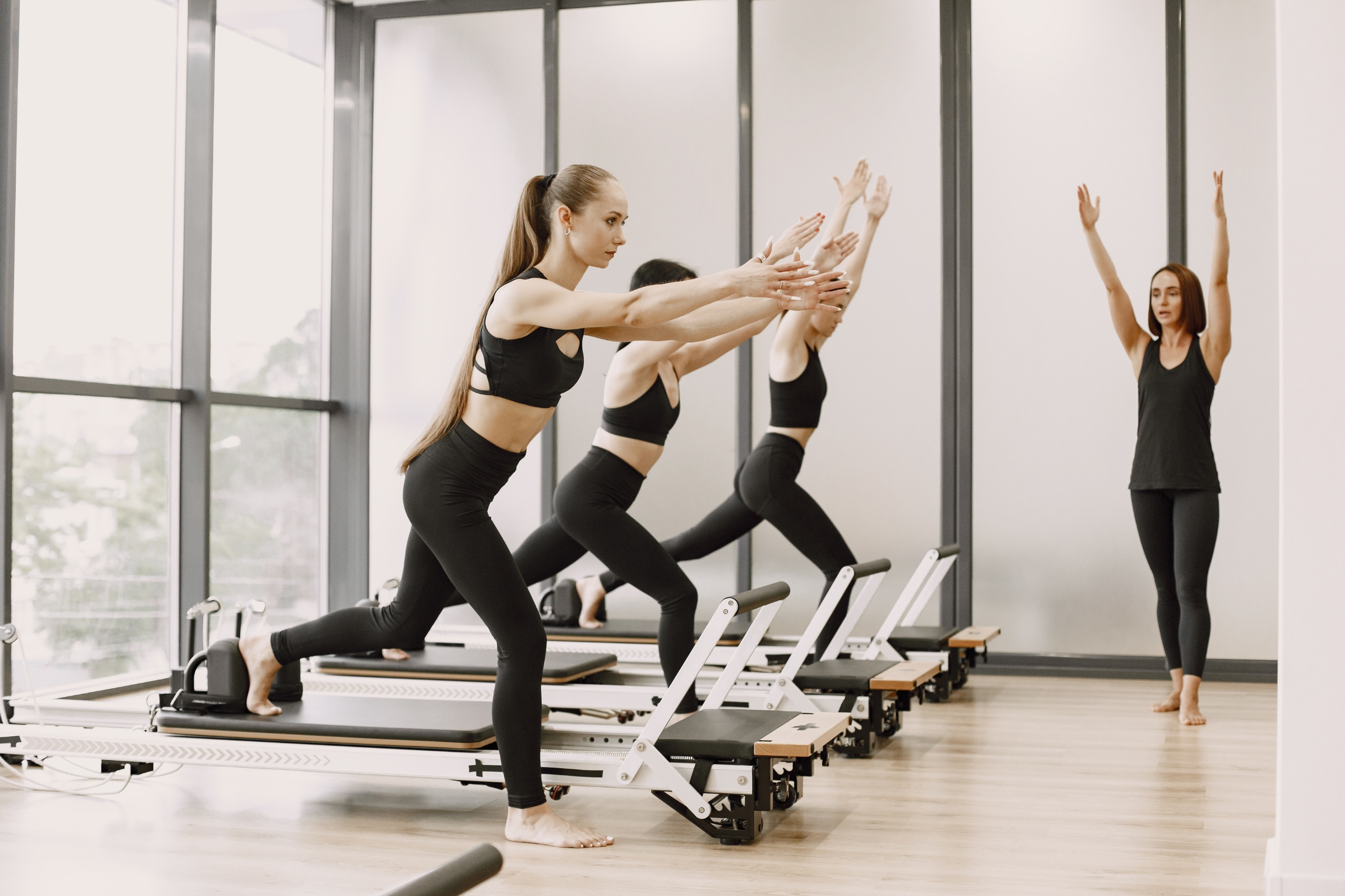
Tucson's fitness scene has evolved far beyond traditional desert trail running and cycling. Across neighborhoods from Sam Hughes to the Catalina Foothills, boutique wellness studios and rehabilitation clinics are anchoring a thriving core-strengthening community. If you're looking to build deep postural stability, recover from chronic injuries, or supplement your outdoor endurance sports, understanding the local landscape of mindful movement makes all the difference.
While many practitioners visit Southern Arizona for sunshine and open-air recreation, locals are building year-round resilience on reformer carriages and exercise mats. This guide breaks down what makes the local fitness ecosystem unique, how to choose the right studio format for your specific goals, and why intentional neuromuscular control is replacing high-impact burnout across the region.
The Evolution of Tucson's Mindful Fitness Movement
Southern Arizona has long attracted active residents who value outdoor exploration. However, linear activities like hiking up Mount Lemmon or cycling along The Loop often create muscular imbalances. Overuse injuries in the hips, lower back, and shoulders are common among endurance athletes in the Sonoran Desert.
To combat this, local fitness practitioners have turned to Joseph Pilates' classical conditioning principles—concentration, control, centering, flow, precision, and breathing. Unlike traditional weight training that targets superficial mirror muscles, this method conditions the deep transverse abdominis, pelvic floor, and multifidus muscles.
Studios in Tucson have adapted these principles to fit an active, outdoor-centric demographic. Instructors emphasize functional biomechanics rather than aesthetic metrics. Whether you're a competitive cyclist or an active retiree maintaining joint mobility, integrating precise core control protects your spine against the physical demands of rugged desert terrain.
Core Studio Formats Available in Tucson
When selecting a practice environment in Tucson, you'll encounter several distinct studio methodologies. Each format serves a different biomechanical purpose and accommodates varying experience levels.
Reformer and Apparatus Training
Reformer studios use a sliding carriage attached to adjustable spring resistance. This setup allows practitioners to work against variable loads while maintaining spinal alignment in supine, seated, or kneeling positions.
- Benefits: Provides eccentric and concentric muscle loading without compressive joint impact.
- Best For: Individuals recovering from joint surgeries, desk workers correcting anterior pelvic tilt, and athletes building unilateral leg stability.
- Local Context: Reformer classes in Tucson often feature large studio windows framing mountain views, merging the internal focus of the practice with the natural desert surroundings.
Traditional Mat Work and Props
Mat classes rely exclusively on body weight for resistance, frequently incorporating small props like resistance bands, weighted balls, or magic circles to increase neuromuscular challenge.
- Benefits: Teaches absolute body-weight mastery and fundamental movement patterns without expensive machinery.
- Best For: Beginners establishing a baseline movement vocabulary and advanced practitioners focusing on core endurance.
- Local Context: Offered extensively through community recreation centers, university campus wellness programs, and independent studios throughout the city.
Clinical and Rehabilitative Variations
Often integrated with physical therapy clinics in neighborhoods near major medical centers, clinical Pilates focuses strictly on therapeutic movement rehabilitation.
- Benefits: Individualized assessment, targeted correction of muscular asymmetries, and safe post-rehab progression.
- Best For: Patients managing chronic lower back pain, disc herniations, or post-operative joint rehabilitation.
- Local Context: Many physical therapists in Tucson hold certifications through organizations like Polestar or Balanced Body, blending clinical diagnostics with traditional movement apparatus.
Physiological Benefits for Desert Athletes
If you spend your weekends hiking, trail running, or gravel grinding in the desert, your body requires specific stabilizing adaptations. Core strength is the foundation of athletic efficiency.
When climbing steep, rocky switchbacks on local trails, hip stability prevents lateral knee tracking issues and ankle sprains. By strengthening the pelvic girdle and deep stabilizers, practitioners maintain upright posture and efficient breath mechanics even under cardiovascular fatigue.
Furthermore, the low-impact nature of the practice ensures that joints aren't subjected to additional pounding. Runners who add two weekly sessions of apparatus work routinely report improved stride symmetry, reduced lower back strain, and faster recovery times between hard efforts.
According to research published by the American Council on Exercise (ACE), regular core-focused movement routines significantly improve dynamic balance and muscular endurance across diverse age groups.
Selecting the Right Studio: Key Factors to Evaluate
Not all studios operate with the same pedagogical philosophy. When evaluating a location in Tucson, consider the following criteria:
- Instructor Credentials: Look for teachers certified through nationally recognized comprehensive programs requiring 400+ hours of training, rather than weekend workshop certificates.
- Class Sizes: For reformer work, group sizes should ideally remain under 12 participants to ensure adequate instructor supervision and safety corrections.
- Equipment Quality: High-end studios maintain well-serviced carriages and springs from reputable manufacturers like Balanced Body or Merrithew, ensuring smooth, predictable resistance.
- Introductory Offerings: Most quality studios provide introductory private assessment packages. Always take advantage of these to screen for pre-existing injuries or biomechanical imbalances before joining group classes.
For broader standards on physical fitness and health guidelines, you can consult resources provided by the U.S. Department of Health and Human Services.
Common Mistakes to Avoid
Even seasoned fitness enthusiasts can run into roadblocks when transitioning to precise, low-load movement disciplines. Avoid these common pitfalls to maximize your progress:
- Rushing Through Repetitions: Speed diminishes neuromuscular engagement. Moving slowly under spring tension forces muscle fibers to work through their entire contractile range.
- Neglecting Breath Coordination: Holding your breath spikes intra-abdominal pressure and creates unnecessary tension in the neck and shoulders. Exhale on exertion to engage the deep transverse abdominis organically.
- Ignoring Form for Range of Motion: Pushing your carriage out too far or hyperextending your spine defeats the purpose of core stabilization. Prioritize neutral spine alignment over depth of movement.
- Skipping Private Assessments: Jumping straight into advanced group classes without knowing your baseline alignment risks compounding existing postural flaws.
Frequently Asked Questions
How many times a week should I practice to see results?
For most individuals, two to three sessions per week provide an ideal balance of physical adaptation and neural patterning. Consistency matters far more than duration; twenty minutes of focused daily mat work yields better results than a single exhaustive weekly session.
Is this practice suitable if I have chronic lower back pain?
Yes, when practiced under the guidance of a qualified instructor or clinical specialist. In fact, strengthening the deep abdominal wall and stabilizing the lumbar spine is one of the most effective non-invasive methods for managing chronic back discomfort. Always consult your physician before starting a new routine.
Do I need to be flexible or have a dance background to start?
Not at all. Despite historical stereotypes connecting the discipline to dance, modern practitioners include weightlifters, cyclists, seniors, and desk workers of all flexibility levels. Equipment like the reformer actually assists flexibility by supporting your body weight through safe ranges of motion.
What should I wear to my first class?
Wear form-fitting, breathable athletic clothing that doesn't bag or bunch up around your torso. Baggy shirts make it difficult for instructors to observe your spinal alignment and ribcage placement. Most studios require grip socks for safety and hygiene on the equipment carriages.



