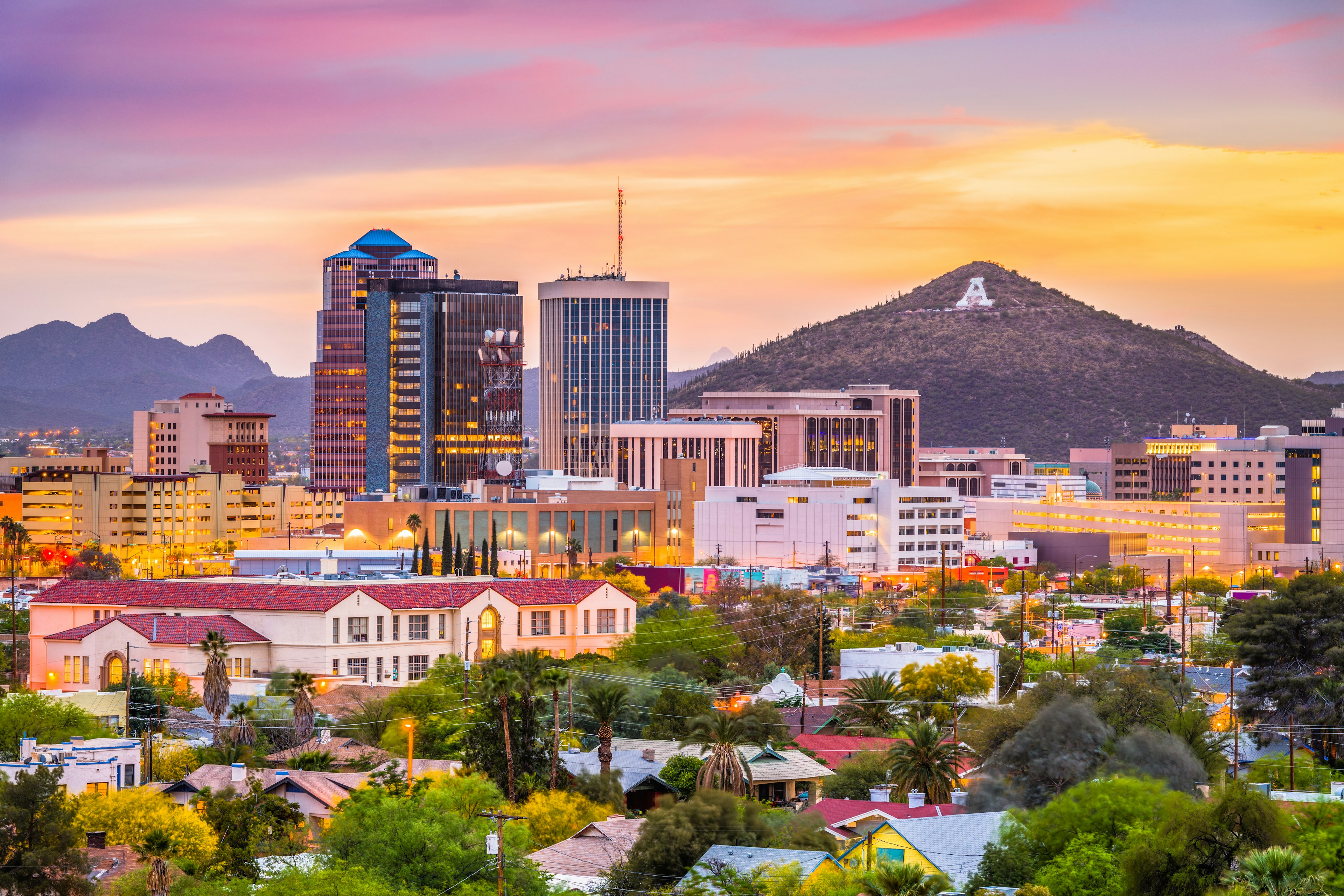
Tucson, Arizona operates on Mountain Standard Time (MST) year-round, sitting firmly at UTC-7. Unlike most of the United States, Tucson does not observe Daylight Saving Time (DST). That single operational detail trips up travelers, remote workers, and remote meeting planners every single year. When the rest of the country springs forward or falls back, Tucson stays entirely put.
Understanding this schedule saves you from missing flights, mistiming virtual calls, or showing up an hour early to an event. Let's break down how Tucson's unique timekeeping actually works, why it matters, and how to track the time shift relative to the rest of the country.
Why Tucson Doesn't Observe Daylight Saving Time
Arizona opted out of the Uniform Time Act of 1966, primarily due to the state's extreme heat. In hot southern climates like Tucson, extra evening daylight means people run air conditioning units longer into the sweltering summer evenings, driving up energy bills. State legislators decided that keeping the sun setting an hour earlier during peak summer months offered a minor relief for residents trying to cool down homes.
The policy applies to almost the entire state, with one major exception. The Navajo Nation in northeastern Arizona does observe Daylight Saving Time to maintain consistent scheduling with tribal lands that extend into New Mexico and Utah. However, Tucson sits far south in Pima County, meaning it stays strictly on standard time twelve months a year.
How Tucson Time Compares During Summer and Winter
Because Tucson doesn't adjust its clocks, its relationship with other U.S. time zones shifts depending on the time of year. This creates a moving target if you coordinate schedules across state lines.
During the winter months (November to March), the entire country aligns. When standard time is active everywhere, Tucson matches the rest of the Mountain Time Zone (such as Denver). It sits one hour behind Chicago and two hours behind New York.
During the summer months (March to November), the math flips because surrounding states advance their clocks by one hour while Tucson stays behind.
- Pacific Time Zone: During summer, California and Washington enter Pacific Daylight Time (PDT, UTC-6). Tucson remains on UTC-7, meaning Tucson matches Pacific Time exactly during these months.
- Mountain Time Zone: States like Colorado shift to Mountain Daylight Time (MDT, UTC-6). Tucson is suddenly one hour behind Denver and Salt Lake City during summer.
- Eastern and Central Time Zones: The gap shrinks by an hour. New York becomes three hours ahead of Tucson instead of two, and Chicago becomes two hours ahead instead of one.
Common Scheduling Mistakes to Avoid
Miscalculating the time difference causes frequent headaches for remote teams and vacationers. Keep these practical rules in mind to avoid common errors.
Never assume a standard time zone abbreviation applies year-round. When someone in New York tells you they are on Eastern Time in July, they are on EDT. When someone in Tucson tells you they are on Mountain Time in July, they are on MST, which shares an offset with PDT.
Double-check automated calendar invites. Google Calendar, Outlook, and Apple Calendar handle time zones well, but manual entries or poorly configured meeting software often assume all of Arizona follows Mountain Daylight Time during summer. If you schedule a meeting manually with a Tucson client in August, verify whether the system accounted for Arizona's lack of DST.
Plan travel arrivals carefully. If you fly into Tucson International Airport in June from Los Angeles, your watch won't need to change at all. If you fly in from Denver in June, you will need to turn your watch back one hour upon landing.
Managing Virtual Meetings with Tucson Locals
Working with clients or colleagues in Tucson requires a reliable mental framework. Instead of calculating offsets based on what Denver or Salt Lake City is doing, anchor your scheduling to Coordinated Universal Time (UTC) or check current offsets directly through resources like the National Institute of Standards and Technology. For broader travel planning across the state, you can also consult the Arizona Office of Tourism to ensure your itinerary stays on track.
If you are scheduling a recurring weekly sync that spans across March or November, remember that your local time will shift relative to Tucson twice a year even though Tucson's local clock never moves. Reconfirm meeting times ahead of the seasonal transitions to prevent anyone from logging in an hour early or late.
Frequently Asked Questions
Does Tucson ever change its clocks?
No. Tucson has stayed on Mountain Standard Time year-round since 1967. Clocks are never moved forward or backward.
Does Tucson match California time in the summer?
Yes. Because California observes Daylight Saving Time and Tucson does not, both regions share the exact same time from March through November.
What is Tucson's UTC offset?
Tucson stays at UTC-7 throughout the entire year. It never transitions to UTC-6.
Do neighboring cities in Mexico near Tucson follow the same rule?
No. Sonora, the Mexican state directly south of Arizona, eliminated its observance of Daylight Saving Time to match Arizona's commerce schedule, but you should always verify current cross-border transit rules if you plan to drive across international checkpoints.



