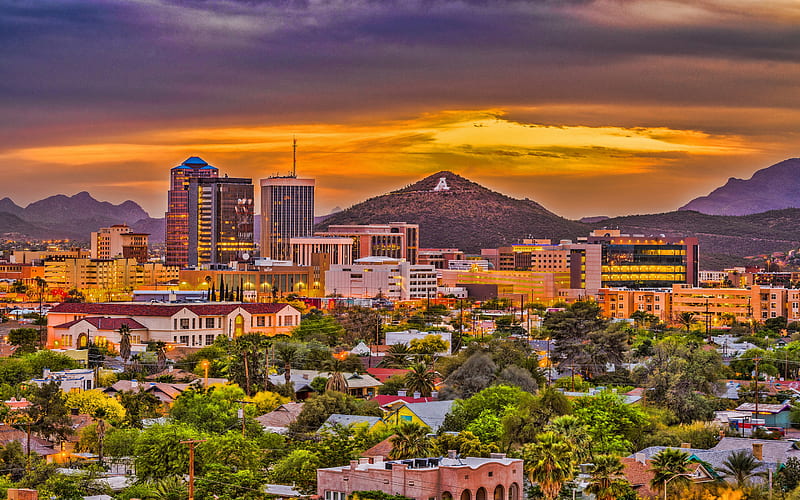
Tucson in February offers a compelling escape for travelers tired of freezing winter temperatures. Afternoon highs regularly reach a comfortable 69 degrees Fahrenheit, while crisp desert evenings drop to around 40 degrees. Skies stay reliably clear, giving visitors roughly seven to eight hours of daily sunshine without the oppressive heat of the summer months. This balance of warmth and cool air makes February one of the premier times of year to experience southern Arizona outdoors.
Understanding what to pack and how the local climate behaves will ensure your trip goes smoothly. While daytime conditions feel springlike, desert environments cool down rapidly the moment the sun dips below the horizon. Knowing how to dress in layers, where to hike, and which annual events define the month will help you make the most of your stay.
Tucson February Weather Averages and Climate Patterns
The climate during this month remains remarkably stable. Rainfall is minimal, averaging under an inch for the entire month across just a few damp days. Humidity stays low, usually hovering around 27 percent during the warmest part of the day, which prevents any sticky or humid discomfort.
Temperature Breakdown Day and Night
- Average High: 69 degrees Fahrenheit (20 degrees Celsius)
- Average Low: 40 degrees Fahrenheit (5 degrees Celsius)
- Record Highs: Occasionally push past 80 degrees on exceptionally warm afternoons.
- Record Lows: Rarely drop below freezing in the city, though outlying desert valleys can see patchy frost.
Sunshine and Wind
You can expect clear or mostly sunny skies on about two-thirds of the days in February. Gentle breezes occasionally sweep through mountain passes, but severe storms are rare. Because the dry desert air lacks moisture to trap heat, the temperature drop between mid-afternoon and late evening can feel dramatic—often a difference of 30 degrees or more. Further details into this topic are detailed by The Points Guy.
What to Pack for February in Tucson
Packing for a desert winter requires a strategic layering approach. What feels like a warm afternoon in the sun can transform into a chilly environment the moment you step into the shade or wait for an evening event outdoors.
- Light layers for daytime: T-shirts, long-sleeve cotton shirts, and light sweaters or flannels will keep you comfortable while walking around town or hitting the trails.
- Warm outerwear for mornings and nights: Bring a fleece jacket, a windbreaker, or a medium-weight coat for early morning hikes and evening stargazing.
- Sun protection: Even in winter, the Arizona sun is potent. Pack polarized sunglasses, a wide-brimmed hat, and broad-spectrum sunscreen.
- Sturdy footwear: Closed-toe hiking shoes or boots with good traction are essential for navigating rocky desert trails and loose gravel.
Best Outdoor Activities and Destinations
The pleasant climate unlocks endless options for exploring the natural landscape surrounding the city.
Hiking Saguaro National Park
Divided into two districts east and west of the city, Saguaro National Park features miles of well-maintained trails winding through dense forests of giant saguaro cacti. February temperatures mean you can hike midday without overheating, though carrying a daypack with water remains mandatory.
Exploring the Arizona-Sonora Desert Museum
Part zoo, part botanical garden, and part natural history museum, this sprawling outdoor facility gives visitors a close-up look at native wildlife like bighorn sheep, javelinas, and hummingbirds. Because the animals are more active in cooler weather, February offers optimal viewing conditions.
Venturing Up Mount Lemmon
If you want a drastic change of scenery, drive up the Catalina Highway to the top of Mount Lemmon. You can transition from a mild desert floor to pine trees and potential winter snowpack at higher elevations within less than an hour.
Cultural Highlights and Local Events
Beyond nature, Tucson hosts unique regional events during late winter that celebrate its deep-rooted history.
- Tucson Gem and Mineral Show: This massive annual gathering attracts collectors, scientists, and hobbyists from all over the world to view rare crystals, fossils, and jewelry across multiple venues.
- Barrio Viejo: Take a walking tour through this historic neighborhood to admire restored adobe row houses painted in vibrant pastel colors.
- Local Culinary Scene: As a designated UNESCO City of Gastronomy, Tucson offers exceptional Sonoran cuisine. Visit long-standing staples like El Charro Cafe or neighborhood bakeries to sample local heritage grains.
Common Mistakes to Avoid
Travelers unfamiliar with the Sonoran Desert often make a few avoidable errors during their winter trips.
- Underestimating hydration needs: Just because it's not 100 degrees out doesn't mean you won't dehydrate. The dry air steals moisture quickly during physical exertion.
- Skipping reservations for major events: Because February is peak tourism season, hotels, rental cars, and popular festival tickets book up months in advance.
- Forgetting evening layers: Heading out to dinner in just a t-shirt because it felt warm at 3:00 PM will leave you shivering by 7:00 PM.
Frequently Asked Questions
Can I swim in Tucson hotel pools in February?
Most hotel and resort pools are heated, allowing for comfortable swimming during the warmest hours of the day. However, unheated pools will feel far too cold given the brisk nighttime air temperatures.
Does it ever snow in Tucson?
Snow in the city proper is extremely rare and usually melts immediately if it does fall. However, the surrounding mountain peaks like Mount Lemmon regularly receive snow throughout the winter.
How crowded is Tucson during February?
February represents peak season for tourism, snowbirds, and festival attendees. Popular attractions, national park trailheads, and local restaurants experience higher foot traffic and busier parking lots compared to the summer months.
Are desert-dwelling animals active in February?
Many animals, including birds of prey, javelinas, and reptiles, remain active. While rattlesnakes are typically brumating (dormant) during the coolest winter weeks, they can still occasionally emerge on unusually warm, sunny afternoons.



