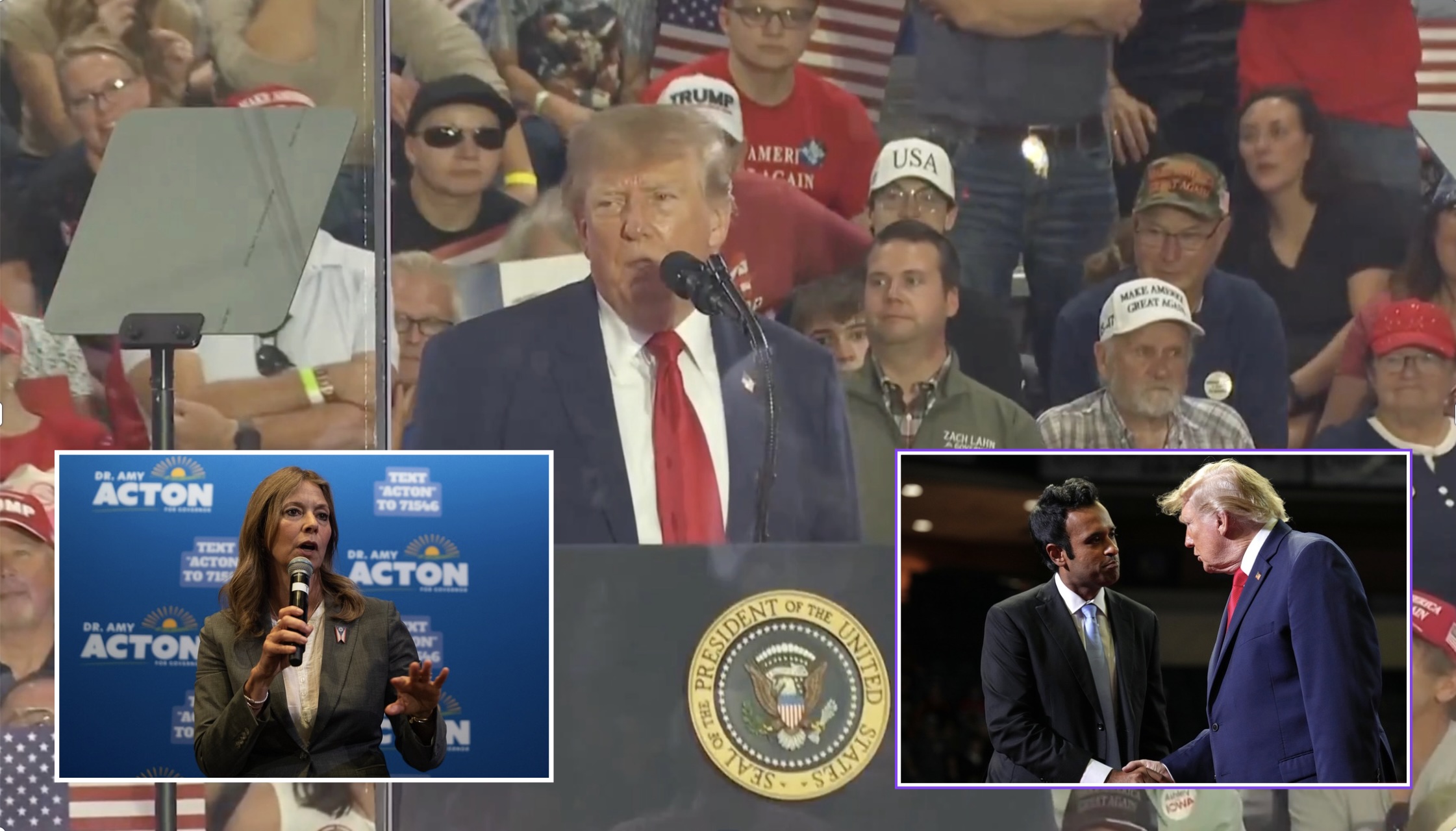
The political contest between Donald Trump and Joe Biden defined a deeply polarized era in American governance, centering on starkly different visions for the economy, foreign policy, immigration, and institutional norms. While the dynamic shifted significantly when Biden withdrew from the 2024 race, comparing their actual administrative records and legislative goals remains central to understanding modern U.S. politics.
Their approaches diverged across every major domestic and international issue. Trump favored deregulation, sweeping tax cuts, and protectionist trade measures, whereas Biden focused on green energy investments, labor support, and infrastructure spending. Evaluating how these strategies played out reveals the foundational disagreements driving contemporary political division.
Economic Policy and Taxation
Economic management formed the bedrock of both platforms, yet their philosophies sat on opposite ends of the fiscal spectrum. Trump’s approach relied heavily on supply-side economics. The 2017 Tax Cuts and Jobs Act lowered the corporate tax rate from 35% to 21% and reduced individual income tax brackets, arguing that lower burdens stimulate private sector growth and corporate repatriation.
Biden pursued a demand-side strategy emphasizing middle-class investments and corporate accountability. His administration passed the Inflation Reduction Act and the Infrastructure Investment and Jobs Act, funneling federal money into green technology, semiconductor manufacturing, and public works. Critics pointed to post-pandemic inflation as a failure of high government spending, while supporters credited Biden's policies with maintaining low unemployment rates and driving domestic manufacturing booms.
Immigration and Border Security
Border enforcement exposed a clear philosophical divide between the two administrations. Trump implemented hardline restrictionist policies, including the construction of a southern border wall, the "Remain in Mexico" policy for asylum seekers, and Title 42 expulsions. His rhetoric emphasized national security and strict deterrence against undocumented immigration.
Biden initially attempted to dismantle several Trump-era restrictions, pledging a more humane immigration process. However, record surges of migrant arrivals at the southern border forced the administration to pivot toward stricter enforcement measures. Late in his term, Biden enacted executive orders temporarily halting asylum processing when border crossings exceeded specific daily thresholds, drawing criticism from progressives while failing to satisfy conservative opponents.
Foreign Policy and Trade
Global engagement and trade alliances highlighted contrasting worldviews. Trump championed an "America First" doctrine, treating traditional alliances with skepticism unless transactional benefits favored the United States. He renegotiated trade deals like NAFTA into the United States-Mexico-Canada Agreement (USMCA) and imposed tariffs on Chinese imports, sparking a prolonged trade conflict.
Biden prioritized rebuilding traditional transatlantic alliances, heavily supporting NATO, and reinforcing multilateral coalitions, particularly in response to international conflicts like the war in Ukraine. On trade, however, the Biden administration maintained many of Trump's tariffs on China, signaling a rare bipartisan consensus on protectionist measures aimed at curbing Beijing's economic influence.
Energy and Climate Change
Environmental policy showcased fundamentally incompatible objectives. Trump labeled climate regulations a hindrance to energy independence and economic vitality. During his term, the U.S. withdrew from the Paris Climate Agreement, opened federal lands to oil and gas leasing, and rolled back automobile emissions standards.
Biden rejoined the Paris Agreement on his first day in office and signed sweeping legislation designed to transition the U.S. economy away from fossil fuels. His administration incentivized electric vehicle adoption and renewable energy production through tax credits, balancing climate goals with domestic energy production that actually reached historic highs during his term.
Common Misconceptions
- Myth: Presidents control gas prices directly via executive decree.
- Reality: Global oil markets, supply chain disruptions, and refinery capacities dictate fuel costs far more than any single White House policy.
- Myth: Tariffs are paid directly by foreign exporting nations.
- Reality: Tariffs function as import taxes paid by domestic companies bringing goods into the country, which are often passed down to consumers.
Frequently Asked Questions
What were the primary legislative achievements of the Biden administration?
Key legislative packages included the American Rescue Plan, the Infrastructure Investment and Jobs Act, the CHIPS and Science Act, and the Inflation Reduction Act, focusing on infrastructure, domestic tech manufacturing, and green energy.
How did the Tax Cuts and Jobs Act under Trump affect the economy?
The 2017 law significantly lowered corporate and individual income tax rates. Proponents argued it fueled business investment, while critics contended it disproportionately benefited high earners and substantially increased the national debt.
Why did Joe Biden withdraw from the 2024 presidential race?
Following a difficult primary debate performance against Donald Trump, intense political pressure mounted from fellow Democrats concerned about his age and viability to win the general election, leading him to step aside in July 2024.
What is the difference between protectionist tariffs and free trade?
Protectionist tariffs apply taxes on foreign imports to shield domestic industries from overseas competition, whereas free trade seeks to minimize or eliminate tariffs and quotas between nations to encourage global commerce.
Learn more about federal policies at USA.gov or review legislative records directly through Congress.gov.


