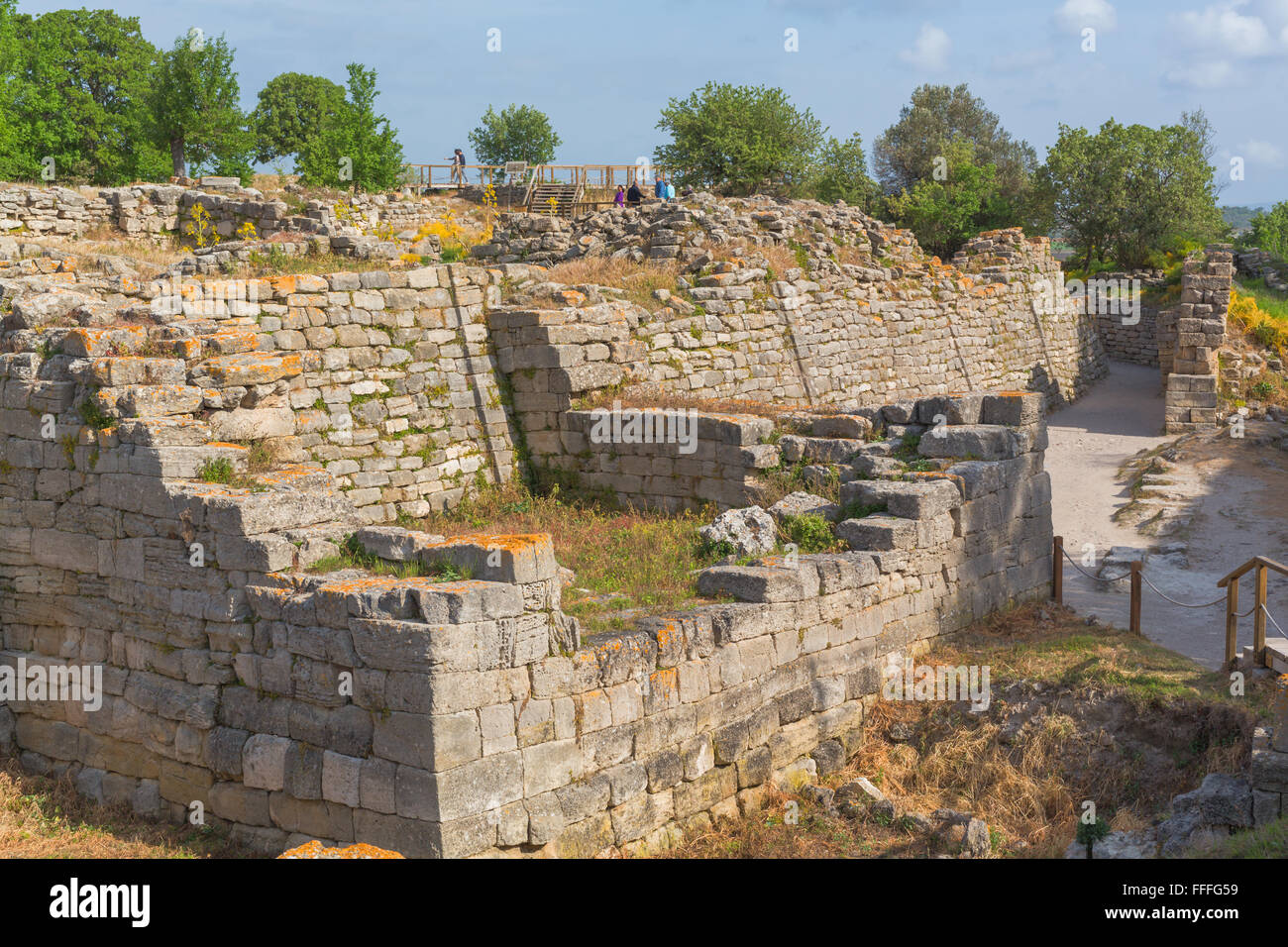
Parents evaluating Wolfgang Petersen's 2004 historical epic Troy for teens encounter a massive production that translates Homer's Iliad into a gritty war drama. Rated PG-13 for intense sequences of violence and peril, the film avoids heavy sexual content or substance abuse but relies heavily on visceral, realistic combat. It runs 163 minutes and stars Brad Pitt as Achilles alongside Eric Bana as Hector, anchoring its spectacle in high-stakes tragedy and physical sacrifice.
When deciding if this film suits your teenager, you need specifics beyond standard MPAA badges. The movie lacks magical gods or mythological monsters, framing the Trojan War as a brutal, terrestrial conflict where thousands of soldiers bleed and die on screen. Understanding the exact breakdown of battle violence, adult themes, language, and specific conversation points helps you gauge whether your household is ready for it.
Content Breakdown: Violence, Language, and Themes
The defining characteristic of Troy is its scale of warfare. Rather than sanitized action, director Petersen emphasizes the physical toll of ancient combat through beach assaults, city sieges, and brutal hand-to-hand duels.
- Armed Combat: The film features extensive sword, spear, and arrow violence. Combatants are shown being impaled, slashed, and trampled during chaotic mass charges.
- Blood and Gore: Moderate amounts of blood appear during injuries and deaths, though the film avoids excessive splatter. Wounds to limbs and torsos are clearly visible.
- Animal Harm: Horses suffer injury, panic, and death during battle sequences, which can upset sensitive viewers.
- Language: Strong profanity appears during high-tension scenes, including multiple uses of "fuck" alongside standard terms like "shit" and "bastard."
- Sexual Content: Unlike many ancient epics, nudity is minimal. Paris and Helen share intimate scenes, but they remain non-explicit and clothed.
The narrative emphasizes themes of mortal pride, geopolitical ambition, and the devastating cost of war. Characters frequently discuss mortality, honor, and destiny, setting a somber tone that lingers long after the credits roll.
Comparing Troy to Historical Source Material
Many parents wonder how closely the film follows ancient mythology. The production strips away the divine intervention of Greek gods, turning a mythological war into a grounded historical drama. Zeus, Apollo, and Athena do not manipulate the battlefield from the clouds. Instead, human ambition drives every conflict.
For teens studying literature or history, this adaptation offers an interesting conversation starter. You can check out the Internet Classics Archive to compare Homer's original text with Hollywood's interpretation. The film condenses a ten-year siege into a compressed timeline and shifts character fates to maximize dramatic tension.
Common Mistakes Parents Make
Deciding on a movie like Troy often involves a few common misjudgments:
- Assuming PG-13 means mild: Because the film lacks sexual content, some parents assume it resembles a standard superhero movie. In reality, the sustained wartime violence is much closer to an R-rated war picture like Saving Private Ryan, albeit without modern weaponry.
- Overlooking runtime fatigue: At nearly three hours, the constant tension and battle sequences test younger attention spans, leading to fatigue before the narrative resolves.
- Skipping the context: Dropping a teenager into the film without discussing the historical context can leave them focused purely on the spectacle rather than the tragedy of the narrative.
Discussion Points for Families
Watching Troy together provides a strong opening for deeper conversations. Use these specific questions to guide your post-movie talk:
- How does the film portray honor and glory? Do the characters who chase eternal fame through battle find true fulfillment, or does the story argue that war destroys everything it touches?
- How does the removal of the gods change the story? In the original epic, divine fate forces characters' hands. By making human choices the sole driver of the war, how does the film alter our view of Achilles and Agamemnon?
- What are the modern parallels? Think about how political leaders spark conflicts that ordinary soldiers must fight. How do the soldiers in Troy reflect the real-world cost of political pride?
Frequently Asked Questions
Is Troy appropriate for a 13-year-old?
It depends on their maturity and tolerance for realistic war violence. While it earned a PG-13 rating for intense battle sequences, the sheer volume of combat and death requires careful consideration for younger teens.
Does Troy contain nudity or explicit scenes?
No. While Helen and Paris share romantic scenes, they remain clothed, and the film completely avoids explicit sexual content.
Why did the filmmakers remove the Greek gods?
Director Wolfgang Petersen wanted to ground the story in a gritty, realistic historical framework. Removing divine intervention allowed the narrative to focus squarely on human psychology, political ambition, and physical vulnerability.
How long is the theatrical cut versus the director's cut?
The theatrical release runs roughly 163 minutes, while the director's cut extends past three hours, adding extra battle footage and deeper character moments that increase the overall intensity.


