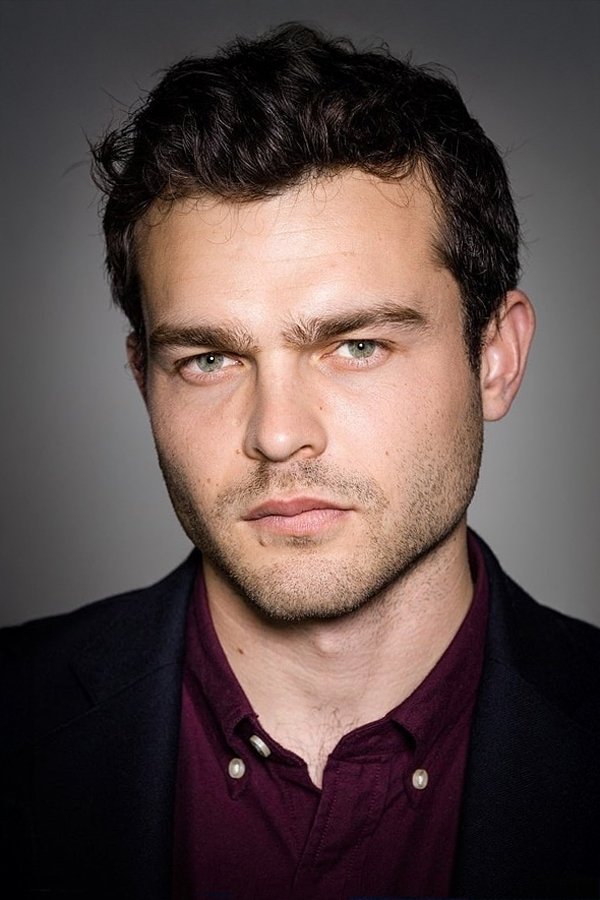
In the late 1950s and early 1960s, a handsome blonde actor named Merle Johnson Jr. remade himself into a cinematic phenomenon under the moniker Troy Donahue. As a premier contract player for Warner Bros., he captured the post-war American zeitgeist, starring in high-gloss melodramas that defined an era of teenage rebellion, sun-drenched romance, and suburban angst. While critics often dismissed him as a manufactured matinee idol, his enduring cultural footprint reveals a complex actor who embodied the hopes and anxieties of a changing nation.
Understanding Donahue requires looking past the glossy magazine covers and teen-idol hysteria. He navigated a studio system that chewed up young talent, experienced a staggering professional fall from grace, and mounted a quiet, dignified comeback later in life. His journey reflects the harsh realities of Hollywood stardom and the resilience required to survive when the spotlight fades.
The Genesis of a Star: From New York to Warner Bros.
Born in New York City in 1936, Donahue grew up surrounded by privilege and theatrical connections. His mother was a theatrical agent, giving him an early window into the inner workings of the entertainment industry. After studying journalism and serving briefly in the military, he gravitated toward acting, trading his birth name for the more commercially viable stage name Troy Donahue.
Universal Pictures signed him to a contract in the mid-1950s, but his career truly caught fire after he transitioned to Warner Bros. Studio head Jack Warner recognized the box-office potential of clean-cut, youthful actors who could appeal directly to the burgeoning baby-boom generation. Donahue possessed the classic golden-boy looks that casting directors craved, but he also brought a subtle vulnerability to the screen.
His breakthrough came when director Delmer Daves cast him in A Summer Place (1959). Playing alongside Sandra Dee, Donahue became an overnight sensation. The film's iconic theme song and melodramatic plot about star-crossed teenage lovers struck a chord with audiences worldwide. It transformed Donahue from a minor utility player into the definitive cinematic heartthrob of his generation.
Defining the Teen Idol Era
A Summer Place established a formula that Warner Bros. would replicate across several subsequent features. Films like Parrish (1961), Susan Slade (1961), and Rome Adventure (1962) capitalized on Donahue's box-office draw. In these pictures, he rarely played hardened villains or gritty antiheroes. Instead, he portrayed sensitive young men navigating family expectations, romantic awakenings, and the moral complexities of a rapidly evolving society.
"Troy Donahue didn't just star in movies; he provided the emotional blueprint for an entire generation of teenagers trying to figure out who they were."
Despite the commercial success, being pigeonholed as a teen idol created significant professional hurdles. Donahue yearned for dramatic depth, but the studio machinery kept casting him in repetitive romantic leads. Fan mail arrived by the truckload, and teen magazines splashed his face across every issue. Yet, this intense exposure created a double-edged sword. While it generated millions of dollars for the studio, it limited his ability to transition into more mature, character-driven roles as he aged out of his twenties.
Behind the Glamour: The Studio System and Personal Struggles
Life behind the scenes was far less glamorous than the Technicolor worlds projected on movie screens. The classic Hollywood studio system was notoriously demanding, offering young stars little autonomy over their career trajectories. Donahue faced immense pressure to maintain a pristine public image, which clashed with his private struggles.
Substance use and personal turbulence began to erode his career momentum by the mid-1960s. As the cultural revolution of the decade took hold, the wholesome melodramas that made Donahue famous fell out of favor with audiences. Moviegoers grew tired of slick studio productions, gravitating instead toward gritty, countercultural masterpieces like The Graduate and Easy Rider.
Donahue found himself adrift. His contract with Warner Bros. ended, and phone calls from major casting directors grew sparse. He battled personal demons, financial setbacks, and a loss of identity as the fame that once defined him slipped away. For a period, his name became a Hollywood cautionary tale about the transient nature of youth-oriented stardom.
The Art of Reinvention: Later Years and Independent Cinema
Many former idols would have faded into obscurity entirely, but Donahue possessed a quiet tenacity. During the 1970s and 1980s, he accepted roles wherever he could find them, appearing in television guest spots, dinner theater productions, and low-budget independent films.
A pivotal turning point arrived when director Francis Ford Coppola cast Donahue in The Godfather Part II (1974). Playing the minor role of Merle Johnson (using his real birth name as a subtle nod to his past), Donahue shared a memorable scene with Al Pacino. It was a humbling appearance, but it signaled a willingness to shed his matinee-idol baggage and embrace character acting.
Throughout the later decades of his life, Donahue embraced his legacy with grace and humor. He participated in retrospective screenings, connected with devoted fans at nostalgia conventions, and continued acting in independent projects. He lived soberly, reflecting honestly on the mistakes of his youth and the fickle nature of celebrity. When he passed away in 2001, obituaries across major publications recognized him not just as a 1960s pin-up, but as a survivor who found peace outside the blinding glare of the A-list spotlight.
Frequently Asked Questions
What was Troy Donahue's real name?
He was born Merle Johnson Jr. on January 27, 1936, in New York City. He adopted the stage name Troy Donahue when he began pursuing a serious career in motion pictures.
Which film made Troy Donahue a star?
His breakout role was in the 1959 romantic drama A Summer Place, directed by Delmer Daves and co-starring Sandra Dee. The film's immense commercial success made him a household name.
Did Troy Donahue appear in The Godfather series?
Yes. He appeared in The Godfather Part II (1974) as a character named Merle, marking a notable departure from his earlier leading-man roles and a step into character acting.
How did the changing culture of the 1960s affect his career?
The rise of the counterculture movement and grittier, realistic filmmaking displaced the glossy, escapist melodramas that made Donahue a star, leading to a significant decline in major studio offers by the mid-1960s.



