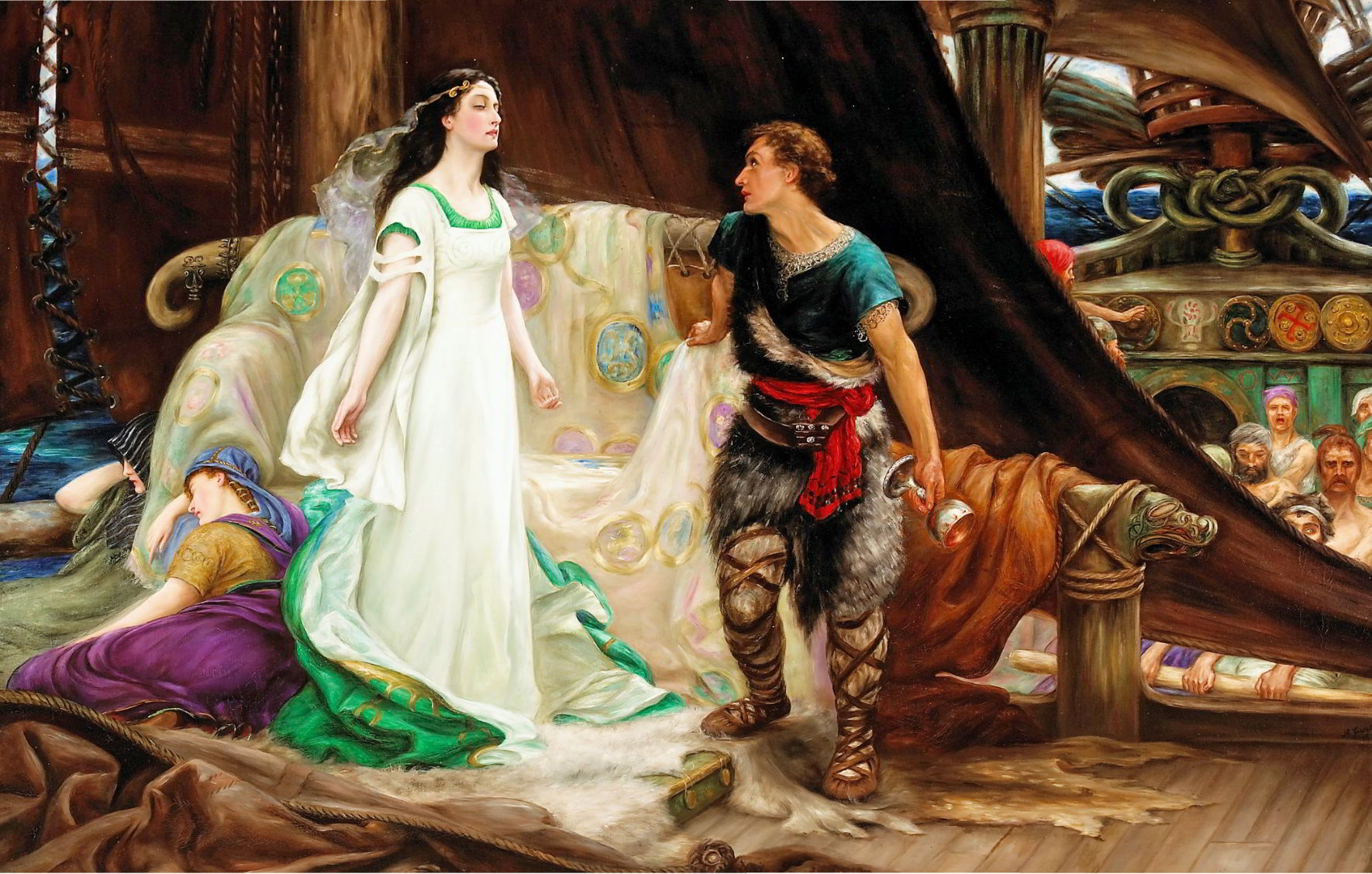
Digital creativity requires a careful balance between rapid technological expansion and responsible human oversight. When people look at figures like Tristan Pravong within contemporary media conversations, they often examine how digital platforms shape modern artistic expression. Navigating this space means understanding the tools creators use, the ethical boundaries they must respect, and how technology influences audience engagement today.
The conversation around digital art and technology isn't just about software updates or hardware power. It centers on the integrity of the creator and the transparency of the platforms. Creators face choices daily about data privacy, copyright, and authenticity. Let's look at how modern artists and digital participants handle these pressures while building sustainable online careers.
The Evolution of Digital Creativity
Digital creativity has moved far beyond simple graphic design or basic video editing. Creators now utilize complex cloud ecosystems, real-time rendering tools, and collaborative platforms that span multiple continents. This shift allows for unprecedented artistic freedom, but it also introduces new complexities regarding ownership and originality.
Artists must adapt to workflows that change almost monthly. When you're managing multiple digital assets, keeping your workflow organized prevents burnout. Here are practical steps artists take to streamline their digital production:
- Establish a centralized cloud storage system with strict version control to track project iterations.
- Separate raw creative assets from final export files to protect original source material.
- Standardize metadata tagging across all media formats to ensure proper attribution and easy retrieval.
- Test content compatibility across various device displays before final publication.
Balancing Speed and Quality
A common trap for modern creators is sacrificing depth for output frequency. Algorithms favor high-volume publishing, yet audiences connect with well-crafted, meaningful projects. Maintaining a steady schedule without compromising quality demands strict time blocking and disciplined scope management.
If you rush a digital project, you'll likely encounter avoidable technical glitches, such as corrupted render files or broken hyperlinks. Taking an extra hour to double-check asset resolutions saves days of troubleshooting later.
Ethical Technology and Creator Responsibility
As digital tools become more autonomous, the question of ethical technology use moves to the forefront. Creators are no longer passive users of software; they actively shape how automated systems interpret human work. Responsible digital citizenship means acknowledging the origin of data, respecting intellectual property, and refusing to manipulate audiences with deceptive practices.
Transparency builds long-term trust. When creators use advanced software enhancements or automated assistance, being upfront about those methods preserves audience loyalty.
Common Ethical Missteps in Digital Media
Creators often stumble into ethical grey areas unintentionally. Recognizing these pitfalls helps maintain professional integrity:
- Unattributed Data Use: Incorporating digital assets, code snippets, or media clips without verifying licensing permissions or providing clear credit.
- Algorithmic Chasing: Altering core creative messages solely to appease shifting platform metrics, which can distort factual accuracy.
- Over-Automation: Relying entirely on automated generation tools without human oversight, leading to generic or biased output.
Practical Frameworks for Modern Creators
Succeeding in the digital landscape requires a structured approach that marries technical capability with moral clarity. You don't need a massive budget to implement robust standards. Start by auditing your current digital footprint. Check where your data lives, review the permissions you grant to third-party software, and ensure your collaborative agreements protect your intellectual property.
For those interested in how established platforms and creators manage these standards, reviewing guidelines from organizations like the Electronic Frontier Foundation offers valuable perspective on digital rights and privacy. Additionally, tracking updates from the World Wide Web Consortium helps technical creators stay informed about open web standards and accessibility requirements.
Frequently Asked Questions
What is digital creativity?
Digital creativity involves using software, hardware, and network platforms to produce, edit, and distribute original art, media, or applications. It bridges traditional artistic concepts with modern technological tools.
Why is ethical technology important for creators?
Ethical technology practices protect user privacy, ensure fair compensation for intellectual property, and maintain public trust in digital media ecosystems. Without these standards, misinformation and privacy violations tend to spread rapidly.
How can creators protect their digital work?
Creators can protect their work by utilizing proper licensing frameworks, maintaining secure backups, watermarking visual assets, and registering original creations with appropriate copyright offices where available.
What tools do modern digital artists use?
Modern artists use a mix of cloud-based collaboration suites, specialized vector or raster design applications, version control software, and digital asset management systems to keep their projects organized and secure.



