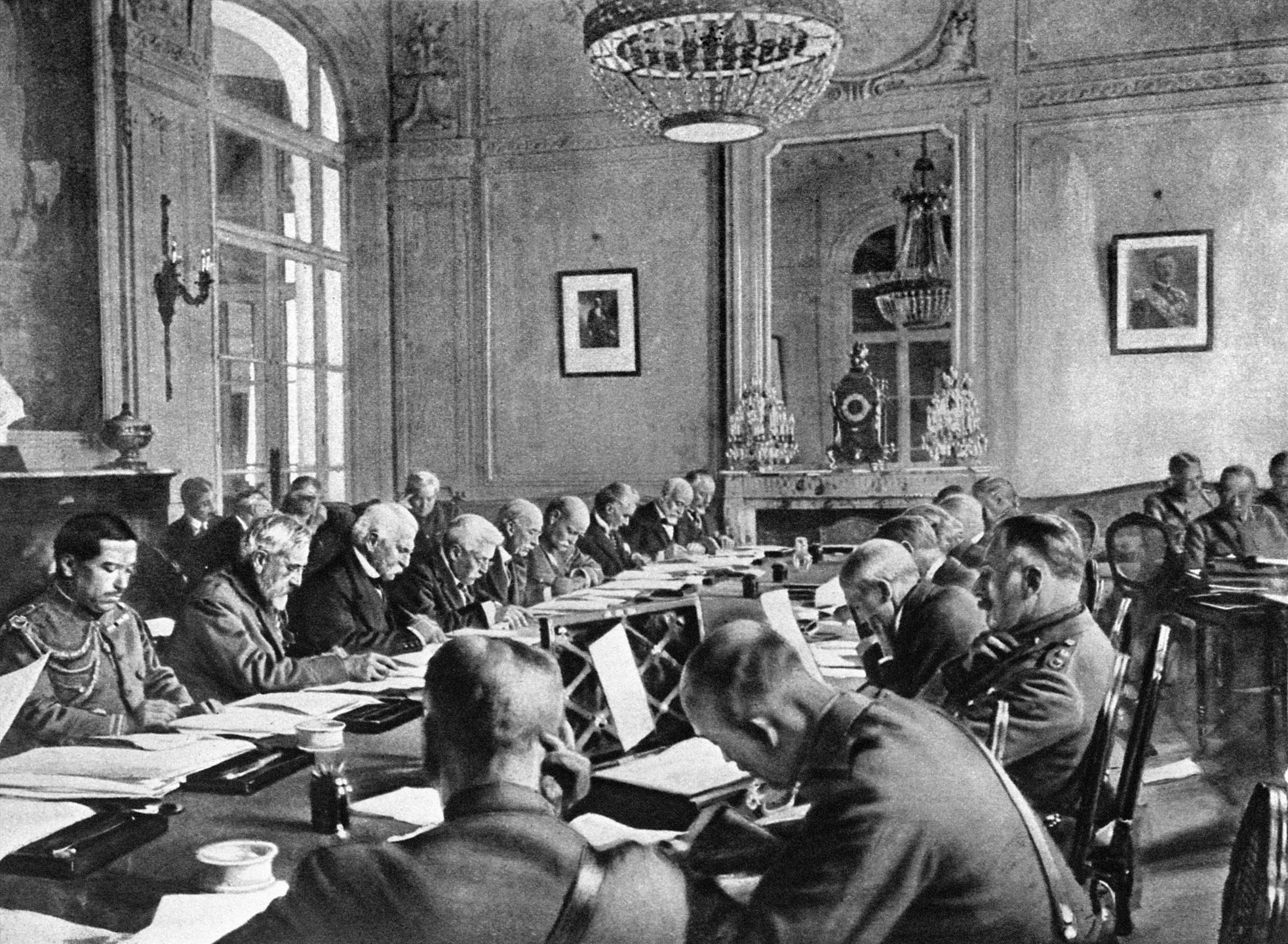
The Treaty of Paris 1898 officially concluded the brief Spanish-American War, signing away centuries of Spanish dominion and thrusting the United States onto the global imperial stage. Signed on December 10, 1898, the agreement stripped Madrid of its remaining overseas possessions—including Cuba, Puerto Rico, Guam, and the Philippines—fundamentally shifting the geopolitical balance of power from European mercantilism to modern American expansionism.
Background and the Spark of Conflict
By the late nineteenth century, the global footprint of the Spanish Empire had shrunk to a few fractured islands. Revolts in Cuba and the Philippines drained Madrid's military resources. In the United States, popular outrage stoked by yellow journalism over harsh Spanish suppression of Cuban rebels created immense pressure for intervention.
The catalyst arrived on February 15, 1898, when the battleship USS Maine exploded in Havana harbor, killing 268 men. Though the cause remained unproven, the press blamed Spain. President William McKinley bowed to public fervor, and Congress declared war in April. Hostilities lasted less than four months, culminating in a crushing defeat for Spanish forces on both sides of the globe.
Core Terms and Provisions of the Treaty
Delegates from Washington and Madrid met in Paris in October 1898 to hammer out the peace terms. The local populations seeking independence were entirely locked out of the negotiations. The resulting treaty laid down several sweeping provisions:
- Cuba: Spain relinquished all claims of sovereignty over Cuba. Rather than granting immediate independence, the United States established a military occupation, paving the way for heavy oversight via the later Platt Amendment.
- Puerto Rico and Guam: Spain formally ceded the island of Puerto Rico, Guam, and other minor Spanish islands in the West Indies to the United States as indemnity.
- The Philippines: In exchange for a payment of $20 million from Washington to Madrid, Spain transferred the entire Philippine archipelago to the United States.
The Battle for Ratification in the U.S. Senate
Securing the treaty wasn't a done deal back home. The U.S. Constitution requires a two-thirds Senate majority to ratify treaties, and the 1898 agreement sparked a bitter national debate. Anti-imperialists argued that acquiring overseas colonies violated democratic principles of self-governance and dragged the republic into unwanted foreign entanglements. Figures like industrialist Andrew Carnegie and author Mark Twain vocally opposed the move.
Proponents of expansion, including expansionist senators and President McKinley, countered that the islands would provide vital naval coaling stations, open lucrative Asian markets, and prevent European rivals from seizing them first. The Senate narrowly approved the treaty on February 6, 1899, by a vote of 57 to 27—just one vote over the required two-thirds threshold.
Consequences for the Colonized Peoples
While American politicians debated trade and strategy, the inhabitants of the ceded territories faced a stark reality. Cubans found their hard-won independence tethered to American military supervision. Puerto Ricans and Guamanians transitioned from one colonial master to another without a voice in their political future.
The most violent backlash occurred in the Philippines. Filipino revolutionaries who had fought alongside American troops to defeat Spanish forces felt deeply betrayed. Expecting immediate independence, they watched the U.S. buy their homeland for $20 million instead. This friction ignited the Philippine-American War, a brutal three-year conflict that cost hundreds of thousands of lives and resulted in decades of direct U.S. administration.
Common Misconceptions
- The Treaty granted independence to Cuba: False. It granted the U.S. temporary control and established a platform for long-term political and economic intervention.
- Spaniards had a say in local choices: False. Negotiations occurred exclusively between American and Spanish diplomats, excluding representatives from Cuba, Puerto Rico, Guam, and the Philippines entirely.
- It was the only Treaty of Paris: False. History features multiple treaties signed in Paris, including the famous 1783 agreement that ended the American Revolutionary War.
Frequently Asked Questions
Why did the United States pay $20 million to Spain?
The $20 million payment was framed by American diplomats as financial compensation for public works and infrastructure built by Spain in the Philippines, though critics at the time viewed it essentially as a purchase price for colonial territory.
Did the Treaty of Paris 1898 end the Spanish Empire entirely?
Yes. It stripped Spain of its last significant overseas holdings in the Americas and the Pacific, effectively dissolving the remnants of a global empire that had existed since the late fifteenth century.
How did the treaty impact the U.S. economy and foreign policy?
It marked a definitive pivot from continental isolationism to overseas imperialism. The acquired bases allowed the U.S. to project naval power across the Pacific and secure commercial entry into Asian markets.
Were the local populations represented during the Paris negotiations?
No. Delegates from the U.S. and Spain negotiated the entire treaty behind closed doors, completely shutting out native leaders from Cuba, Puerto Rico, Guam, and the Philippines.



