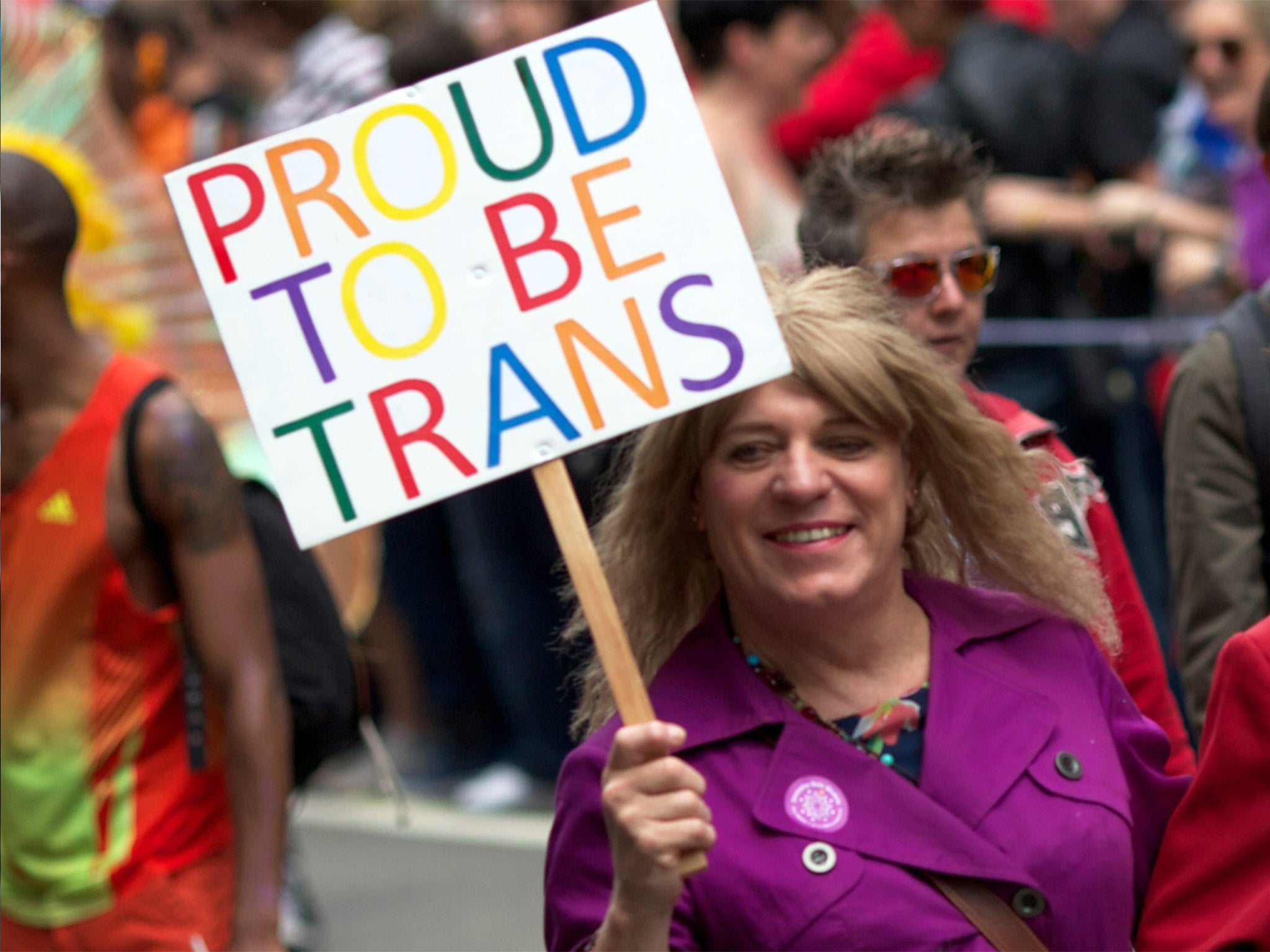
Cultural visibility changes how society understands human identity. Over the past decade, transgender public figures have moved from the margins of entertainment into mainstream prominence, reshaping film, television, music, and fashion. This shift isn't just about representation on a screen; it's about changing public perception, rewriting legal boundaries, and creating space for authentic lives.
When public figures live openly, they dismantle myths and provide concrete examples of resilience. Let's look at how prominent icons have altered the cultural landscape, the specific barriers they broke, and why their continued presence matters.
The Evolution of Transgender Visibility in Media
For decades, mainstream media relegated transgender characters to tragic tropes, punchlines, or sensationalized storylines. Portrayals were almost exclusively written by cisgender creators and often played by cisgender actors. This dynamic reinforced harmful stereotypes and alienated audiences from the reality of trans experiences.
The turning point arrived when trans creators and performers began telling their own stories. Instead of accepting token roles, artists demanded nuance. Television series, independent cinema, and digital platforms allowed diverse narratives to emerge. BBC has analyzed this important issue in extensive detail.
- Breaking the casting barrier: Trans actors started landing recurring roles where their gender identity wasn't the central plot point.
- Behind-the-camera influence: Directors, writers, and producers brought lived experience to scripts, ensuring authentic emotional depth.
- Shifting news coverage: Mainstream journalism moved away from invasive questioning toward profiles focusing on talent, career achievements, and advocacy.
Icons Redefining Entertainment and Fashion
Several key figures accelerated this cultural shift by achieving historic milestones in highly visible industries. Their work forced massive institutions to modernize long-standing traditions.
Laverne Cox
Laverne Cox changed television history with her breakout role in the Netflix series Orange Is the New Black. Earning a Primetime Emmy Award nomination for acting, Cox became the first openly transgender person to achieve that recognition. She subsequently graced the cover of Time magazine and became a relentless advocate for systemic change. Cox uses her platform to educate the public on intersectional justice, proving that success in Hollywood can coexist with fierce community activism.
Elliot Page
When Elliot Page publicly came out as transgender, the announcement reverberated globally. As the star of major studio films and the hit series The Umbrella Academy, Page used his high profile to discuss the realities of gender-affirming care. By continuing his demanding acting career post-transition, Page demonstrated that major production houses could support trans talent without skipping a beat.
Valentina Sampaio
In the fashion world, Brazilian model Valentina Sampaio shattered glass ceilings by becoming the first openly transgender model to work with Victoria's Secret and grace the Sports Illustrated Swimsuit Issue. High fashion historically maintained rigid entry barriers. Sampaio's presence on international runways forced major brands to reevaluate their casting standards and embrace broader definitions of beauty.
Hunter Schafer
Rising to prominence through the critically acclaimed drama series Euphoria, Hunter Schafer established herself as both a versatile actress and a high-fashion muse. Schafer frequently collaborates with luxury design houses while intentionally taking on diverse acting roles that transcend narrow casting tropes, cementing her status as a multifaceted cultural force.
Beyond Entertainment: Activism, Politics, and Law
Visibility extends far beyond red carpets. Trans individuals have stepped into institutional spaces that previously excluded them, changing policy and public discourse.
- Political Leadership: Figures like Sarah McBride have broken historic ground by winning state legislative seats, bringing lived experience directly into government chambers.
- Legal Advocacy: Civil rights attorneys challenge discriminatory state policies in court, protecting vulnerable youth and securing fundamental human rights.
- Athletic Representation: Public figures challenge outdated regulations in competitive sports, advocating for inclusion based on scientific and fairness principles.
These leaders prove that trans visibility is structural. When people see trans individuals thriving as legislators, scientists, lawyers, and artists, the cultural imagination expands.
Common Misconceptions About Trans Representation
As visibility increases, certain misunderstandings persist in public conversations. Clarifying these points helps maintain a grounded perspective on the community's needs.
- Mistake: Assuming representation solves systemic inequality. While media visibility is powerful, it doesn't automatically protect marginalized individuals from housing discrimination, healthcare barriers, or economic instability. Real progress requires structural reform alongside cultural representation.
- Mistake: Treating the community as a monolith. Trans experiences vary wildly across race, class, geography, and culture. No single celebrity speaks for an entire global population.
- Mistake: Equating corporate tokenism with genuine inclusion. Simply casting a trans actor to meet a diversity quota differs vastly from empowering trans creators to build stories from scratch.
Frequently Asked Questions
Why is media representation important for transgender people?
Media representation validates human existence. When young people see successful, multi-dimensional trans adults in media, it combats isolation, reduces stigma, and helps families understand gender diversity with empathy rather than fear.
How has the fashion industry changed regarding trans models?
Major agencies and luxury houses now routinely cast open trans models for campaigns and runway shows. While tokenism still happens, the baseline expectation has shifted toward normalization rather than sensationalism.
What distinguishes a public figure's impact from standard celebrity fame?
Trans celebrities often carry an advocacy burden alongside their artistic careers. Their cultural impact stems not just from their creative output, but from their willingness to weather intense public scrutiny to pave the way for others.
How can everyday people support transgender visibility?
Support involves listening to trans voices, consuming media created by trans artists, respecting self-determination and pronouns, and pushing back against discriminatory legislation in local communities.


