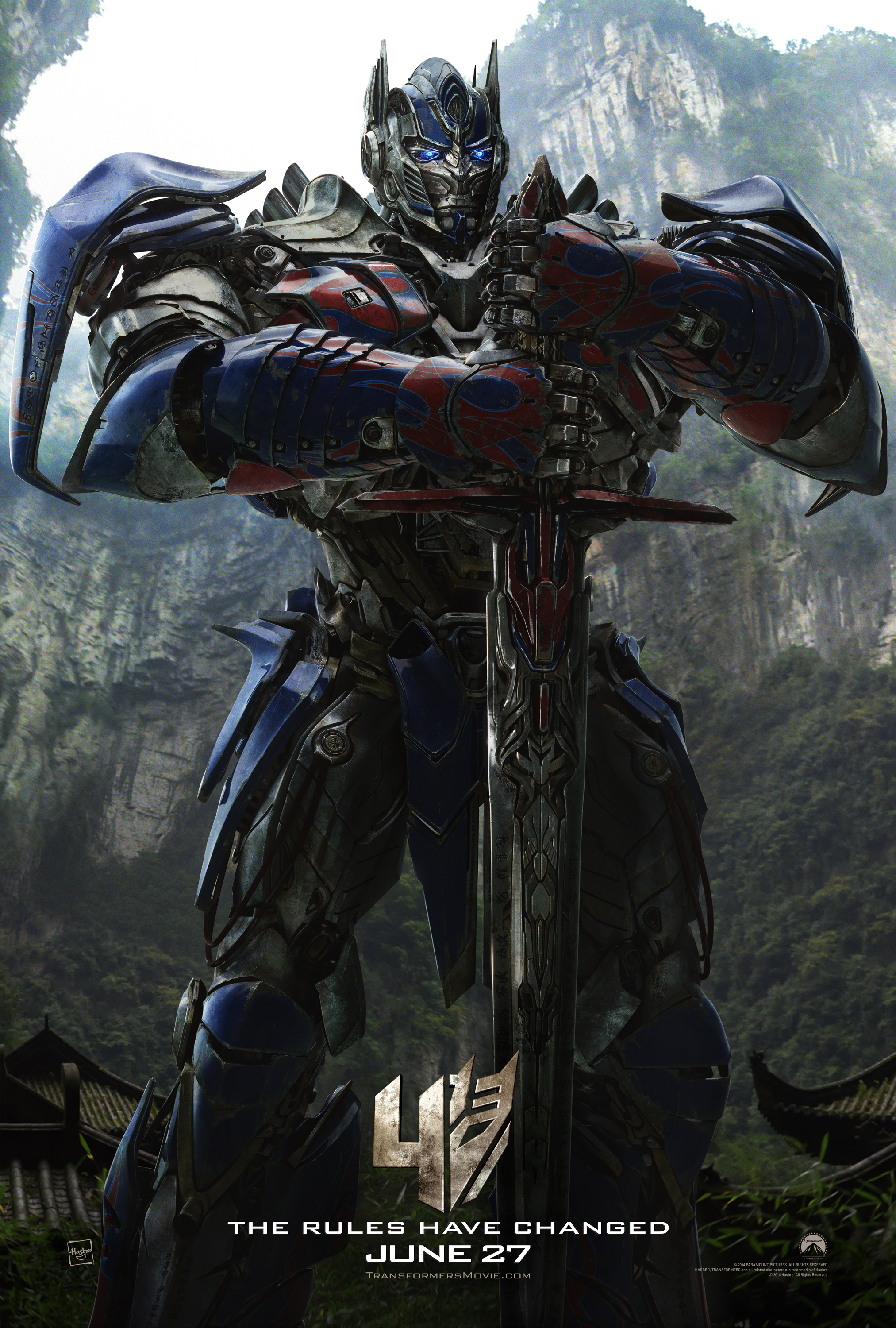
The box office explosion of the late-2000s blockbuster era changed how studios cast major action franchises. When live-action spectacle collided with digital characters, a quiet shift took place among the principal performers, altering what it meant to lead a multi-billion-dollar property.
At the center of this movement sat the unique dynamic between human leads and voice actors like Peter Cullen. Traditional Hollywood hierarchy placed flesh-and-blood stars at the absolute peak of billing and influence. Yet, franchises driven by heavy computer-generated imagery inverted this model, turning vocal performances of synthetic characters into the emotional anchors that audiences actually remembered.
The Evolution of Human Stardom in Action Franchises
Shia LaBeouf anchored the early entries as Sam Witwicky, serving as the frantic, everyday proxy for the audience. His role required an exhausting physical and emotional commitment, reacting to invisible threats on green-screen stages while carrying the narrative momentum of a sprawling sci-fi war.
However, playing second fiddle to digital creations changed the leverage actors held in modern blockbusters. Instead of carrying a movie purely through traditional dramatic presence, human leads shared screen dominance with digital entities that cost nothing in backend salary negotiations but demanded immense visual attention. This paved the way for a new kind of blockbuster template where human characters often functioned as exposition delivery systems while the real cultural impact came from digital icons.
- Physical Toll: Human leads endured grueling physical demands, performing extensive stunt work alongside digital placeholders.
- Economic Shift: Studio budgets leaned heavily into visual effects, capping the relative salary leverage of mid-tier human stars.
- Narrative Friction: Balancing grounded human comedy with high-stakes alien warfare often fractured the tone of the films.
The Weight of Optimus Prime and Voice Acting Gravitas
While human actors handled the romantic subplots and comedic relief, Peter Cullen’s portrayal of Optimus Prime carried the true moral gravity of the series. Cullen didn't just voice a character; he resurrected a pop-culture touchstone from the 1980s animated canon, infusing the digital Autobot leader with a weary, noble resonance that elevated the material.
This performance highlighted a broader shift in Hollywood: voice acting in CGI-heavy blockbusters ceased to be a secondary novelty. Cullen proved that a resonant, authoritative vocal delivery could outshine on-camera human performances in terms of sheer audience loyalty.
"Cullen's deep, resonant delivery imbued Optimus with a sense of weary wisdom and solemn duty, particularly poignant during the film's darker moments."
Studio executives took note. The success of a multi-million-dollar IP no longer relied strictly on the marquee value of a human actor's face on a poster. Instead, recognizable voice work and iconic digital silhouettes created a new tier of synthetic stardom that could sustain sequels far easier than aging human casts.
Antagonists and the Scale of Digital Menace
Villains underwent a parallel evolution. Moving away from standard human adversaries or basic digital monsters, productions introduced ancient entities like the Fallen—voiced by Tony Todd—to inject classical theatrical menace into computerized terror. Todd brought a chilling, god-like cadence to the screen, shifting the villainy from simple mechanical destruction to a mythic struggle of eons.
This casting choice reflected a deliberate strategy by Paramount Pictures to lend classical dramatic weight to sci-fi carnage. By hiring classically trained actors for voice roles, studios bridged the gap between low-brow popcorn entertainment and high-concept cinematic universes.
- Mythological Scale: Antagonists were written with ancient backstories, requiring Shakespearean delivery rather than standard action-movie snarls.
- Audience Expansion: Prestigious voice casting drew older demographics who might otherwise dismiss toy-line adaptations as mindless spectacle.
- Legacy Casting: Leveraging veterans established immediate emotional stakes without wasting runtime on lengthy villain introductions.
Common Misconceptions About CGI-Driven Blockbusters
Many analysts misinterpret the rise of CGI-heavy blockbusters as the complete death of actor-driven cinema. In practice, it transformed how performers create value.
- The Myth of Interchangeability: Some assume actors are entirely replaceable in front of green screens, ignoring the specific improvisational energy human leads like LaBeouf brought to chaotic scenes.
- The Voice Acting Myth: Critics often treat voice work as a minor post-production addition, overlooking how foundational vocal tracks dictate the pacing and emotional timing of digital animation.
- The Budget Fallacy: It's a mistake to think physical stars lost all power; rather, their power shifted toward ensemble structures supported by recognizable intellectual property.
Frequently Asked Questions
Why did voice actors become so crucial in modern CGI franchises?
As digital characters took up more screen time, they required emotional anchors to keep audiences invested. Iconic vocal performances bridged the gap between cold metal and relatable heroism.
How did human lead roles change during this era?
Human characters shifted from being the sole drivers of high-concept plots to acting as relatable audience stand-ins while digital spectacles dominated the narrative focus.
What impact did nostalgic casting have on box office returns?
Bringing back original voice talent like Peter Cullen created an immediate cross-generational appeal, pulling in older fans while introducing new audiences to classic archetypes.
Why do studios prefer recognizable vocal talent for major antagonists?
A distinct, authoritative voice instantly establishes threat levels and maturity, helping elevate high-concept sci-fi plots into epic cinematic events.



