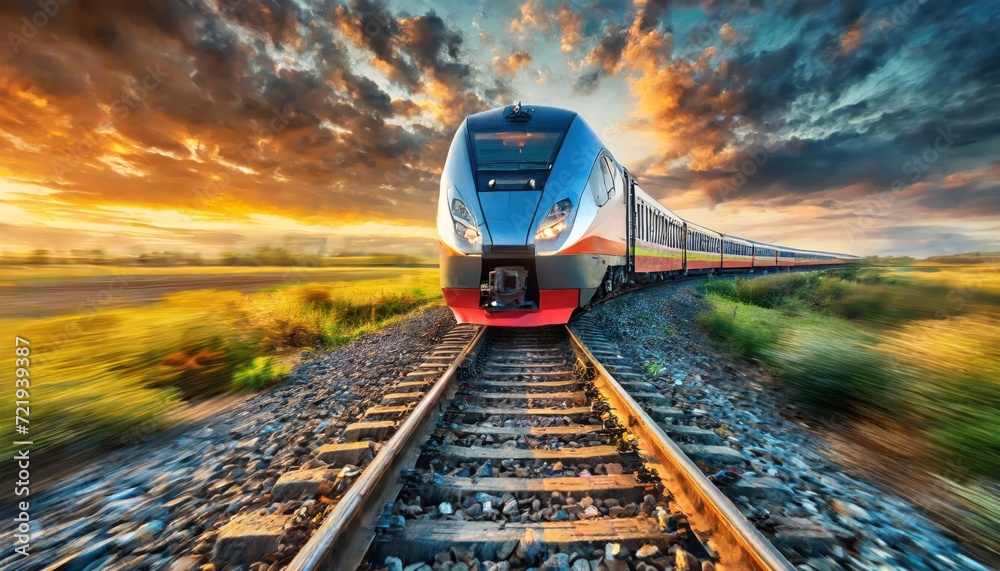
Traveling by train from Baltimore to New York City is the easiest way to bypass I-95 traffic and airport security lines. The journey covers roughly 170 miles along the Northeast Corridor, connecting Baltimore Penn Station directly to the Moynihan Train Hall at New York Penn Station. Whether you're commuting for a meeting or heading up for a weekend getaway, understanding how to navigate the routes, timing, and ticketing strategies saves both time and money.
Two main passenger services dominate this corridor: the high-speed Acela and the frequent Northeast Regional. Choosing the right one depends on your schedule flexibility and budget, as pricing models fluctuate heavily based on how far in advance you book.
Amtrak Routes And Service Types
When you look at the schedule from Baltimore to New York, you'll notice multiple train designations. However, most daily departures fall into two primary categories operated by Amtrak.
The Northeast Regional
The Northeast Regional is the workhorse of the East Coast. It runs dozens of times daily, making it the most flexible option for departure times. While it makes a few more intermediate stops—such as Wilmington, Philadelphia, Trenton, and Newark—the overall duration remains remarkably competitive.
- Average Travel Time: 2 hours and 40 minutes to 3 hours.
- Onboard Experience: Standard coach seats feature generous legroom, tray tables, power outlets, and free Wi-Fi. A Quiet Car is always available for passengers who want a distraction-free ride, and a Café Car serves snacks, sandwiches, beverages, and alcohol.
- Seating Classes: Coach and Business Class. Business Class includes a guaranteed seat in a dedicated car, extra legroom, a complimentary non-alcoholic beverage, and a rebate of Amtrak Guest Rewards points.
The Acela
The Acela is Amtrak's premium, high-speed rail service designed for business travelers and those valuing speed above all else. It bypasses certain stations and reaches higher top speeds along upgraded track sections.
- Average Travel Time: 2 hours and 20 minutes to 2 hours and 35 minutes.
- Onboard Experience: Cleaner, quieter, and wider cabins configured with two-by-one seating options in first class. Free Wi-Fi, power outlets, and at-seat tray tables are standard.
- Seating Classes: Business Class and First Class. First Class includes a hot meal served at your seat, complimentary alcoholic beverages, and access to the Metropolitan Lounge at select stations prior to departure.
Other long-distance trains like the Carolinian, Palmetto, and Crescent also run along this route, but they have fixed daily schedules and infrequent slots, making the Northeast Regional and Acela the practical focus for most travelers.
Timing Your Trip: Schedules And Duration
Trains run nearly every hour from early morning until late evening, giving you immense flexibility. The first northbound Northeast Regional departs Baltimore Penn Station shortly after 5:00 AM, and the final late-night option leaves close to 11:00 PM.
If you are planning a day trip, catching a 6:00 AM or 7:00 AM departure gets you into midtown Manhattan before 10:00 AM, leaving you a full day for business or sightseeing before an evening return train.
Keep in mind that peak commuting hours—roughly 6:30 AM to 9:30 AM and 4:00 PM to 7:00 PM on weekdays—see the highest demand. Trains during these windows fill up quickly, and ticket prices surge. If your schedule is flexible, traveling mid-morning or during early afternoon slots often yields a quieter cabin and a more relaxed boarding experience.
Ticket Strategies To Save Money
Amtrak utilizes a dynamic pricing structure similar to airlines. Tickets start at rock-bottom baseline prices when released months in advance, and climb sharply as the departure date nears and seats fill up.
Book Well In Advance
Tickets go on sale roughly 11 months ahead. For the best rates on the Northeast Regional, booking at least 3 to 4 weeks prior to travel makes a massive difference. Coach tickets that might cost twenty to forty dollars early on can easily jump past one hundred dollars inside of a week before departure.
Leverage Saver Fares
When searching on the Amtrak app or website, look for "Value" or "Saver" fare tiers. These are non-refundable or incur heavy fees for changes, but they offer the lowest price point. If your travel plans are completely locked in, these fares keep your transport costs minimal.
Consider BidUp For Upgrades
If you want the comfort of Business Class without paying the full upfront price, look out for Amtrak's BidUp program. After booking a standard coach ticket, you may receive an email invite to bid an amount of money for an upgrade to Business Class if unsold seats remain. It is an effective way to score perks at a discount.
Avoid Commuter Rush Surges
If you must travel on a Friday afternoon or Sunday evening, expect maximum ticket prices. Shifting your trip to a Tuesday or Wednesday often yields drastically cheaper fares across both Regional and Acela classes.
Navigating The Stations
Your journey begins at Baltimore Penn Station, located at 1500 North Charles Street. It features a grand historic headhouse paired with modern ticketing areas, waiting rooms, and local light rail connections. Arriving 20 minutes before your scheduled departure gives you ample time to clear the ticket gates, check the departure boards for your track assignment, and walk to the platform. There are no intensive TSA-style security checkpoints for domestic Amtrak travel, though ticket barriers close a few minutes prior to departure.
You arrive at the Moynihan Train Hall at Penn Station in New York City. Situated right across Eighth Avenue from the older Madison Square Garden complex, this modern facility provides expansive concourses, direct connections to multiple subway lines (A, C, E, 1, 2, and 3), and quick walking access to Hudson Yards and Midtown Manhattan.
Common Mistakes To Avoid
- Cutting arrival too close: While you don't need to arrive two hours early like an airport, showing up two minutes before departure won't work. Platform gates close promptly before the train rolls out.
- Ignoring seat selection: On many Northeast Regional trains, standard coach tickets do not automatically assign a specific seat at checkout. You can select your seat on the app after booking, or simply choose an available seat once you board the car. Look for digital overhead signs indicating reserved blocks.
- Forgetting quiet car etiquette: If you sit in the designated Quiet Car, keep phone calls outside in the vestibule and keep electronic device audio muted. Conductors enforce this rule strictly.
Frequently Asked Questions
Is there luggage limits on the Baltimore to New York train?
Yes, but they are very generous compared to airlines. Each passenger can bring two personal items (up to 25 lbs each) and two carry-on bags (up to 50 lbs each) for free. You store bags overhead or in designated luggage towers near the car doors.
Can I bring food and drinks onboard?
You are allowed to bring your own food and alcoholic beverages onto the train, with the restriction that alcohol must be consumed in your seat and purchased from the Café Car if you want it served by staff, though policies generally permit personal snacks and non-alcoholic drinks freely.
Is Wi-Fi reliable on the train?
Amtrak provides free onboard Wi-Fi, which works well for checking email, browsing websites, and handling light work tasks. However, it can occasionally lag or drop connection when passing through tunnels and rural dead zones along the corridor.
Do I need to print my ticket?
No paper ticket is necessary. You can pull up the barcode directly within the official Amtrak mobile app, and the conductor will scan it from your smartphone screen right at your seat.



