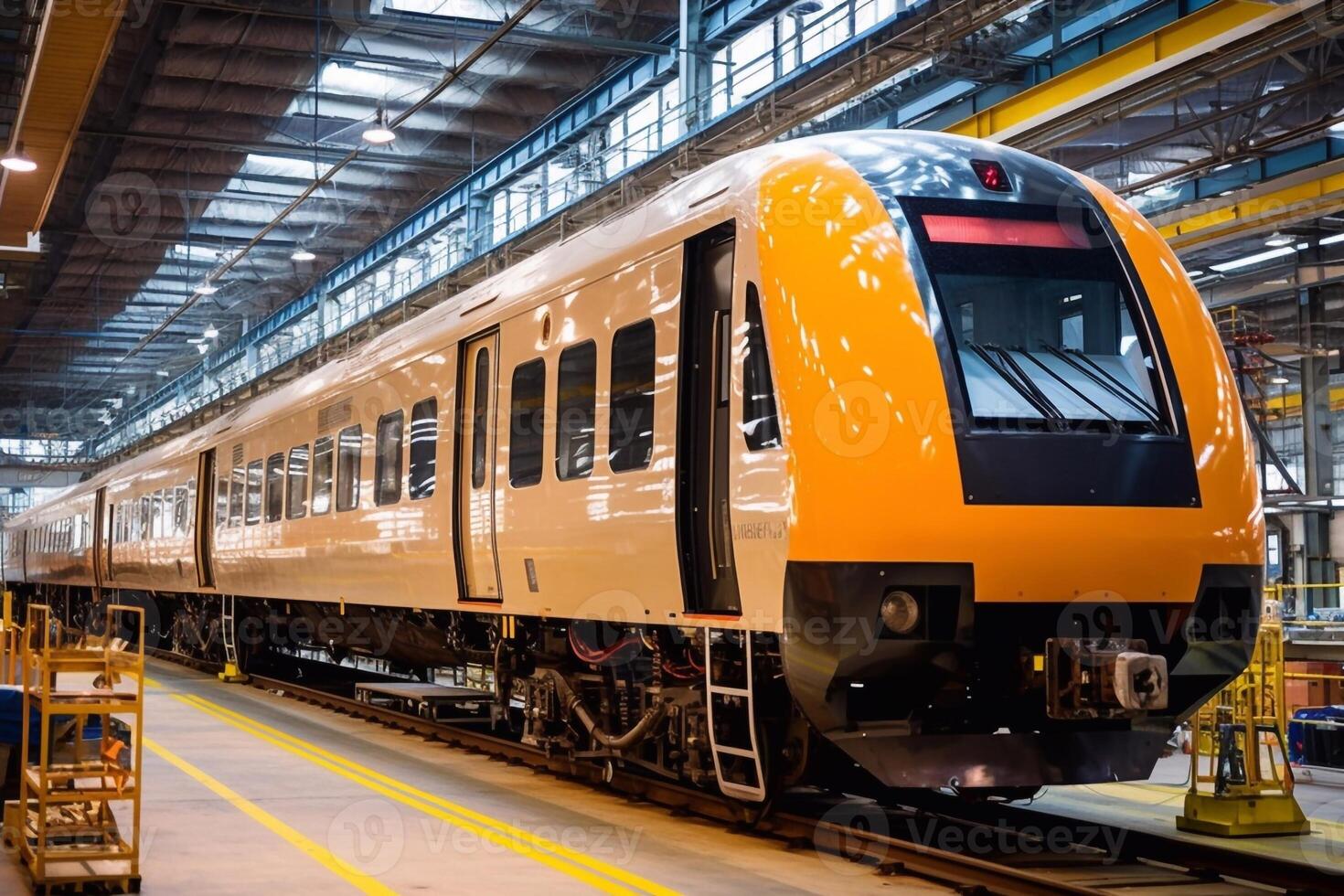
Planning a train to New York offers a direct route into the heart of Manhattan without highway gridlock or airport security lines. Amtrak and regional carriers connect major hubs like Washington, Boston, and Philadelphia straight to the city's primary terminals, saving time and stress.
Whether you're commuting from a nearby state or booking a cross-state journey, mastering the logistics ensures a smooth arrival. Here's how to navigate ticketing, choose the right route, and transition seamlessly into the city's transit network upon arrival.
Major Rail Corridors and Routes
The Northeast Corridor is the busiest passenger rail line in the United States, linking Boston, New York, Philadelphia, and Washington, D.C. Understanding your entry point depends entirely on where your journey starts.
- Northeast Regional: This frequent service stops at dozens of mid-sized cities and suburban hubs, providing reliable, budget-friendly access to Manhattan.
- Acela: Amtrak's high-speed option cuts travel times significantly between Boston, New York, and Washington, featuring dedicated quiet cars and spacious seating.
- Long-Distance Services: Trains like the Lake Shore Limited arrive from Chicago and upstate New York, while the Cardinal connects the Midwest and the Virgencies to the city.
Regional commuter lines also feed directly into Manhattan hubs from neighboring states. New Jersey Transit (NJ Transit) serves commuters from New Jersey, while the Long Island Rail Road (LIRR) and Metro-North connect suburban communities in Long Island, Westchester, and Connecticut.
Navigating New York's Major Terminals
Most long-distance and regional trains terminate at one of two massive stations in Midtown Manhattan. Knowing your station layout saves crucial minutes when navigating crowds.
Moynihan Train Hall and Penn Station
Located between 31st and 33rd Streets and 7th and 8th Avenues, this sprawling complex handles the vast majority of Amtrak and commuter rail traffic. Moynihan Train Hall serves as the primary boarding area for Amtrak, featuring a soaring glass skylight and modern departure boards.
- Subway Connections: Direct access to the A, C, E, 1, 2, and 3 subway lines, plus connecting underground walkways to Herald Square (B, D, F, M, N, Q, R, W).
- Navigational Tip: Platform changes happen frequently. Don't crowd the boarding gates until your track number appears on the official boards.
Grand Central Terminal
Situated at 42nd Street and Park Avenue, Grand Central serves Metro-North commuters from the north and east, alongside the Long Island Rail Road via the newer Grand Central Madison concourse.
- Subway Connections: Direct access to the 4, 5, 6, 7, and S shuttle lines.
- Navigational Tip: The historic main concourse gets extremely busy during rush hour. Use the lower-level dining concourse or Madison concourse for faster walking paths.
Booking Strategies and Ticket Classes
Securing the best price and seat requires understanding how rail ticketing works, as it differs significantly from airline booking.
- Book in Advance: Amtrak ticket prices tier upward as departure dates approach. Booking 3 to 4 weeks ahead typically secures the lowest baseline fares.
- Coach vs. Business Class: Coach seats offer ample legroom, power outlets, and reclining chairs. Business class adds a guaranteed single seat (on select trains), complimentary non-alcoholic drinks, and a 25% bonus on Amtrak Guest Rewards points.
- Flexible Fares: If your schedule is unpredictable, look into flexible ticket options that allow changes or refunds without heavy penalties.
You can review current schedules and book tickets directly through the Amtrak Official Website. For regional transit schedules, consult the MTA Info Page to map out your final connections.
Common Mistakes to Avoid
Travelers unfamiliar with northeast rail networks often run into avoidable snags. Keep these pitfalls in mind before you depart.
- Cutting Connections Too Close: If you're transferring from a regional train to an Amtrak service, leave at least a 45-minute buffer. Delays can ripple through shared tracks during peak operating hours.
- Ignoring Baggage Limits: While train travel is far more lenient than flying, hauling oversized or excessive luggage through crowded subway turnstiles after arrival creates unnecessary friction. Pack light enough to carry your bags unassisted.
- Forgetting Platform Etiquette: Stand back from platform edges when express trains pass through intermediate stations without stopping.
Frequently Asked Questions
Which train station in New York is best for tourists?
Penn Station (and the adjoining Moynihan Train Hall) sits closer to western Manhattan attractions like Hudson Yards, Chelsea, and Times Square. Grand Central Terminal places you closer to east-side landmarks like the Chrysler Building, Bryant Park, and the New York Public Library.
How early should I arrive before my train departs?
Arriving 20 to 30 minutes before departure gives you enough time to find your track without rushing. Unlike air travel, there is no TSA security checkpoint, but boarding gates close a few minutes prior to departure.
Can I bring food and drinks onboard?
Yes. Unlike airplanes, Amtrak allows you to bring your own food and non-alcoholic beverages onto the train. You can also purchase snacks and drinks in the Café Car.
Is Wi-Fi available on trains to New York?
Amtrak provides complimentary Wi-Fi across most of its corridor and long-distance trains. While it works well for browsing and emails, streaming heavy video files can be inconsistent depending on rural stretches of the route.



