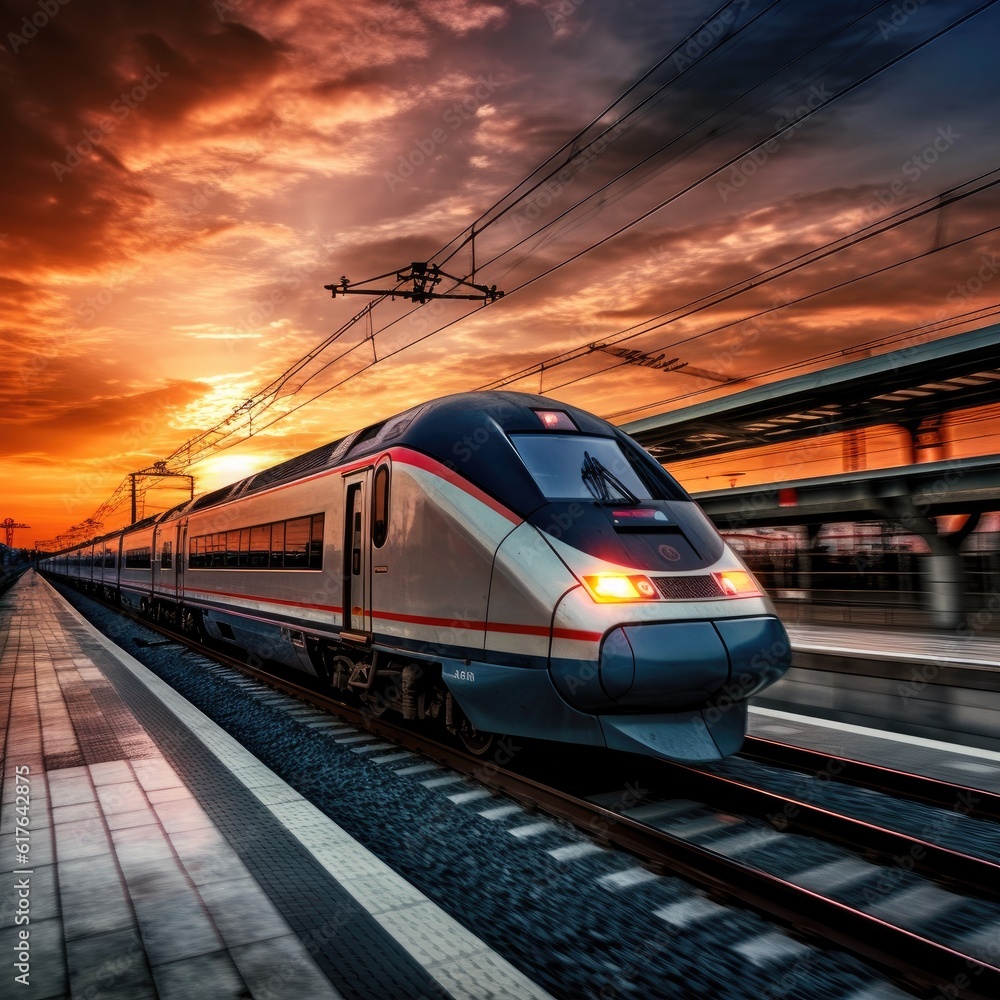
Taking the train from NYC to Boston is the smartest way to bypass highway traffic jams on I-95 and avoid terminal chaos at LaGuardia or Logan Airport. Amtrak runs two primary services along this route: the high-speed Acela and the budget-friendly Northeast Regional. Trains depart daily from Moynihan Train Hall at Penn Station in Manhattan and arrive at South Station or Back Bay in Boston, connecting two major city centers without the hassle of airport security lines or rental car drop-off fees.
Planning your trip effectively comes down to balancing speed against ticket cost. The Acela cuts travel time down to roughly 3 hours and 45 minutes, but tickets can cost triple what you'd pay on a regional train if you book last minute. Meanwhile, the Northeast Regional takes around 4 hours and 20 minutes to 4 hours and 45 minutes, offering comfortable seating, café cars, and much lower baseline fares. Let's break down how to choose the right option, secure the best price, and navigate your journey smoothly.
Train Options Compared: Acela vs. Northeast Regional
Choosing the right service depends entirely on your schedule flexibility and budget. Amtrak operates two distinct passenger trains on the Northeast Corridor between New York and Boston.
The Acela is Amtrak's premium high-speed offering. It features Business Class and First Class seating only—no standard economy cars exist on this train. Power outlets, large tray tables, and quiet cars make it a favorite for business travelers. Trains hit maximum speeds of 150 mph on select upgraded track segments, delivering an end-to-end journey of about 3 hours and 45 minutes. However, because it's targeted at corporate commuters, peak-hour tickets often exceed $150 to $300+ each way. To explore the full picture, check out the recent analysis by Condé Nast Traveler.
The Northeast Regional is the reliable workhorse of the corridor. It makes more intermediate stops—including bustling hubs like New Haven, Providence, and Route 128—pushing total travel time to roughly 4 hours and 30 minutes. It offers both Coach and Business Class seating. Coach cars feature spacious reclining seats, free Wi-Fi, and overhead luggage racks. Advance booking on the Northeast Regional can net fares as low as $30 to $50 each way, making it the top choice for leisure travelers and budget-conscious students.
Cost Breakdown and How to Secure Cheap Tickets
Amtrak uses a dynamic pricing model similar to commercial airlines. As trains fill up, ticket prices scale upward rapidly. Waiting until the week of departure to book a Friday afternoon train is a surefire way to overpay.
To keep your travel costs low, follow these practical steps:
- Book 3 to 6 weeks in advance: The lowest "Value" or "Saver" tier tickets sell out first. Securing your seat a month early locks in the minimum fare.
- Travel off-peak: Mid-morning (10:00 AM to 2:00 PM) and late-evening departures are significantly cheaper than Sunday evening or Friday afternoon commuter rushes.
- Check for discounts: Amtrak offers fixed percentage discounts for AAA members, seniors (62+), military personnel, students, and children. Make sure to select your applicable discount category before searching schedules on the Amtrak app.
- Consider a multi-ride pass: If you commute regularly or take multiple trips a season, look into Amtrak's multi-ride ticket bundles to drastically drop per-trip costs.
Stations, Boarding, and Luggage Logistics
Navigating the stations successfully eliminates unnecessary travel stress. Here is what you need to know about your departure and arrival terminals.
Departing from New York City
All direct Amtrak trains to Boston depart from Moynihan Train Hall (located across Eighth Avenue from the historic James A. Farley building) or the adjacent concourses of Penn Station. Aim to arrive at least 20 to 30 minutes before departure. Unlike airports, there are no security check-ins or body scanners. You simply watch the departure boards for your track number, which typically posts 10 to 15 minutes before departure, and head down the escalator.
Arriving in Boston
Your train will typically arrive at Boston South Station, located right in downtown near the Financial District and the Red Line subway. If you're heading to the Back Bay, Fenway, or MIT/Cambridge areas, you can choose to exit your train one stop early at Back Bay Station, which saves you from backtracking on the MBTA subway system.
Luggage Rules
Amtrak has one of the most generous baggage policies in travel. You are allowed two personal items (up to 20 lbs each) and two carry-on bags (up to 50 lbs each) for free. Your bags stay with you on the train—either in the overhead racks or the luggage towers at the end of each car. There is no need to check bags or worry about liquid restrictions in your carry-on.
Onboard Experience and Working Remotely
The train environment is designed for productivity and relaxation. You aren't forced into a cramped, upright position for hours.
- Wi-Fi and Power: Free basic Wi-Fi is available across all Amtrak trains, suitable for web browsing, checking email, and reading. Every seat features a standard 120V power outlet so your devices stay charged throughout the trip.
- Seating Comfort: Amtrak seats offer significantly more legroom than airline economy seats. Standard coach seats recline comfortably, and tray tables are large enough to open a full-sized laptop.
- Quiet Cars: If you need to work or sleep without disruption, look for the designated Quiet Car, where phone calls and loud conversations are prohibited.
- Cafe Car: Every train features a Cafe car selling coffee, tea, sandwiches, snacks, and alcoholic beverages. You're also fully permitted to bring your own food and drinks onboard—including a coffee from outside or a takeout meal.
Common Mistakes to Avoid
Even seasoned travelers occasionally trip up on the Northeast Corridor. Keep these common pitfalls in mind:
- Boarding the wrong train segment: Make sure you verify that your train is headed northbound to Boston (and not southbound to Washington D.C.) when standing on the platform at Penn Station.
- Ignoring commuter traffic on connections: If you are taking regional transit (like the MTA subway in NYC or the MBTA in Boston) to reach the train station, factor in city traffic delays. Give yourself a 45-minute buffer before your train's scheduled departure.
- Forgetting seat selection: Amtrak allows you to select your specific seat during booking on most reserved trains. Don't skip this step if you prefer a window seat or a table configuration.
Frequently Asked Questions
Is Wi-Fi on the train reliable enough for video calls?
Basic Amtrak Wi-Fi handles email, messaging, and web browsing well, but it can struggle with heavy bandwidth tasks like Zoom or Microsoft Teams video calls due to cellular dead zones along coastal tracks. If you have an urgent presentation, it's best to use your phone's cellular hotspot.
Can I bring my pet on the train?
Yes, Amtrak permits small dogs and cats (up to 20 pounds including the carrier) on trips up to seven hours for an additional pet fee. Pets must remain inside an approved carrier under your seat for the entire journey.
What happens if my train is significantly delayed?
Amtrak tracks on-time performance closely. If your train is delayed by more than an hour due to carrier-controlled issues, you may be eligible for a partial refund or travel voucher under Amtrak's customer service policies. Check your email or the Amtrak app immediately for rebooking options.
Is it cheaper to drive or take the train from NYC to Boston?
When you factor in current gas prices, heavy tolls along I-95 (such as the George Washington Bridge, the New England Thruway, and the Mass Pike), and expensive downtown parking rates in Boston (often $40 to $60 a day), driving is usually more expensive and infinitely more stressful than booking an advance-purchase train ticket.



