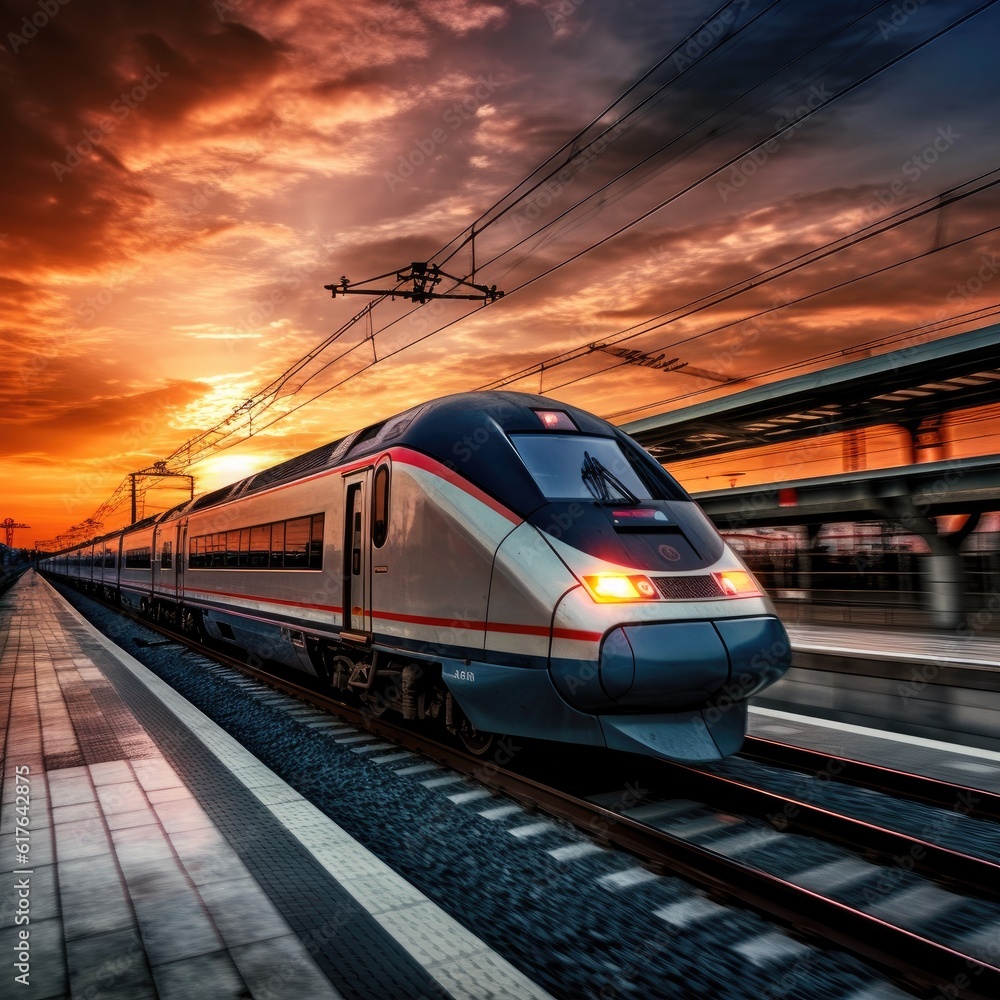
Traveling between Washington, DC, and New York City by train bypasses the notorious gridlock of Interstate 95 and the exhausting security lines of regional airports. The journey links two major downtown hubs via the Amtrak Northeast Corridor, offering a dependable alternative for business professionals, vacationers, and weekend commuters alike.
Choosing the train over driving or flying changes the mechanics of your trip entirely. Instead of battling tolls, parking fees, and variable traffic delays, you board in the heart of downtown DC and step off directly into Midtown Manhattan. Understanding how to navigate ticket pricing, train tiers, and station layouts ensures a smooth, cost-effective ride.
Northeast Regional vs. Acela: Choosing Your Train Service
Amtrak operates two primary passenger services along this route: the Northeast Regional and the Acela. Selecting the right train depends on your schedule, budget, and preference for onboard amenities.
The Northeast Regional serves as the workhorse of the corridor. It makes more stops along the way—including busy hubs in Baltimore, Wilmington, Philadelphia, and Trenton—resulting in a total travel time of roughly three hours and twenty minutes to three hours and forty minutes. Despite the slightly longer journey, it runs much more frequently throughout the day and offers significantly lower base fares.
The Acela is Amtrak's premium high-speed offering. It cuts the journey down to between two hours and forty-five minutes and three hours by making fewer stops and utilizing tilting trainsets that maintain higher speeds through curves. The Acela features only Business Class and First Class cars, offering larger seats, dedicated conference tables, and at-seat service in First Class.
If saving money is your primary goal, stick with the Northeast Regional. If your schedule is tight and you need to minimize transit time while enjoying a quieter workspace, the Acela is worth the upgrade.
Understanding Ticket Classes and Fare Structures
Amtrak uses a tiered pricing system similar to airlines, meaning tickets get more expensive as the departure date approaches and trains fill up. Booking weeks or even months in advance secures the lowest possible rates.
Coach class on the Northeast Regional provides plenty of legroom, recline, overhead luggage storage, and power outlets at every seat. There are no middle seats on Amtrak, meaning you are guaranteed either an aisle or a window.
Business class on the Northeast Regional adds a guaranteed seat in a dedicated car, extra legroom, a complimentary non-alcoholic beverage, and a 25% bonus on Amtrak Guest Rewards points. On the Acela, Business class is the baseline tier, offering spacious 2-and-1 seating configurations, while First class upgrades passengers to single-seat rows, hot meals served at your seat, and complimentary alcoholic beverages.
Flexibility matters when booking rail travel. Value tickets offer lower rates with minor fees for changes or cancellations, while Saver fares are non-refundable and cannot be changed. If your plans might shift, paying slightly more for a flexible or refundable ticket protects you from losing your investment.
Navigating the Stations: Union Station and Penn Station
The journey begins at Washington Union Station, situated at 50 Massachusetts Avenue NE. Located just blocks from the U.S. Capitol, the station connects easily to the DC Metro Red Line, local bus routes, and rideshare services. Union Station features a grand main hall flanked by restaurants, coffee shops, and retail stores. Passengers typically board via gate announcements made 15 to 20 minutes before departure, so arriving 30 minutes before your scheduled departure time gives you ample time to clear the concourse and find your track.
The trip concludes at New York Penn Station, officially known as Moynihan Train Hall or Penn Station, located between 31st and 33rd Streets and 7th and 8th Avenues in Midtown Manhattan. Emerging from the train drops you directly into the subway labyrinth connecting to the A, C, E, 1, 2, and 3 lines, as well as the Long Island Rail Road and New Jersey Transit.
Navigating Penn Station during rush hour can be overwhelming. Keep your ticket accessible on your phone or printed out, follow the electronic departure boards for track assignments, and move with the crowd toward the escalators leading up to the main concourse once your track is called.
Smart Strategies for Saving Money and Time
Rail travel doesn't have to break your budget if you apply a few practical tactics:
- Book well in advance: Tickets purchased 21 to 30 days ahead cost a fraction of last-minute walk-up fares.
- Travel during off-peak hours: Mid-day departures between 10:00 AM and 2:00 PM, as well as Tuesday and Wednesday trips, often feature lower demand and cheaper pricing.
- Leverage rail rewards: Joining the free Amtrak Guest Rewards program allows you to accumulate points toward free travel and priority boarding perks.
- Skip the checked bags: Amtrak permits two personal items and two carry-on bags free of charge, plus two additional carry-on items for a fee. You carry your bags onboard with you, eliminating baggage claim waits.
Common Mistakes to Avoid
Even seasoned travelers make missteps when riding the rails for the first time. Avoid these frequent pitfalls:
- Arriving too late: While you don't need to arrive two hours early like at an airport, showing up five minutes before departure will cause you to miss your train as doors close promptly.
- Ignoring quiet car etiquette: Both the Northeast Regional and Acela feature designated Quiet Cars where phone calls and loud conversations are prohibited. If you prefer to chat or work on calls, ensure your ticket isn't booked in the Quiet Car.
- Forgetting food and drink logistics: While the Café Car offers snacks, sandwiches, and beverages, packing your own water and light snacks saves money and avoids lines during peak travel hours.
Frequently Asked Questions
How far in advance should I book my train tickets?
Booking at least three to four weeks ahead ensures access to the lowest tier fares. Last-minute tickets purchased the day before can cost double or triple the early-bird rate.
Is Wi-Fi available on Amtrak trains between DC and NYC?
Yes, complimentary basic Wi-Fi is available across all Northeast Corridor trains. It works well for checking email, browsing, and messaging, though streaming large video files can occasionally be inconsistent.
Can I bring my pet on the train?
Amtrak allows small dogs and cats in carriers for trips up to seven hours on most Northeast Corridor trains, provided you book a pet reservation in advance and pay the designated pet fee.
What happens if my train is significantly delayed?
Amtrak maintains a performance policy; if your train is delayed by more than an hour due to carrier-controlled issues, you may be eligible for travel vouchers or service credits by contacting customer service.



