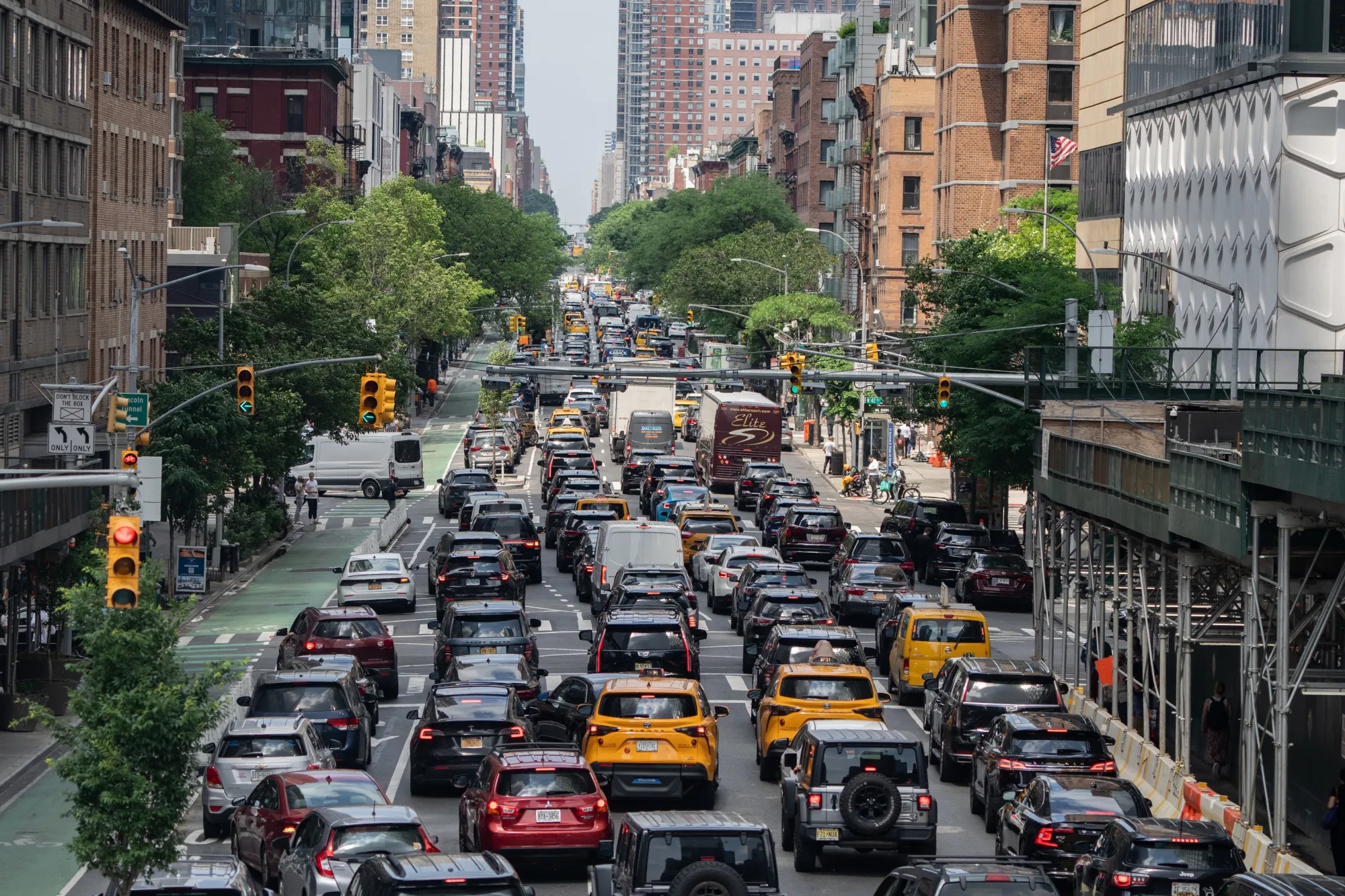
Navigating traffic in Omaha, Nebraska, requires understanding specific chokepoints where east-west arterial roads and interstate loops intersect. Commuters dealing with congestion along major routes like Dodge Street, Interstate 80, and the I-480 downtown loop face predictable delays during morning and evening rush hours. Knowing how these corridors function helps drivers save time and avoid stressful bottlenecks.
Traffic flow across the metro area peaks heavily between 7:30 and 9:00 AM, followed by an evening surge from 4:00 to 6:30 PM. While average congestion levels remain manageable compared to larger national metros, localized pinch points can double travel times. This guide breaks down Omaha's busiest corridors, explains why they back up, and offers tactical ways to maintain your sanity behind the wheel.
Understanding Omaha's Major Traffic Corridors
Omaha's layout relies heavily on a grid system intersected by expressways. Master these main routes to anticipate where delays happen before you leave your driveway.
Dodge Street and West Dodge Road (US-6)
Dodge Street serves as the central spine of Omaha, carrying high volumes of traffic from suburban West Omaha straight into downtown.
- The Bottleneck Areas: Intersections around 72nd Street and 84th Street frequently lock up because of heavy signalized crossings, high pedestrian counts, and dense commercial strip-mall entrances. West Dodge Expressway also experiences sudden slowdowns where speed limits drop as drivers approach the midtown area.
- Why It Happens: High vehicle volume combined with frequent left-hand turns and short merge lanes causes a ripple effect of braking.
Interstate 80 and the Interstate 680 Loop
Interstate 80 cuts across the southern portion of the city, funneling cross-country freight, local commuters, and airport traffic.
- The Bottleneck Areas: The stretch between Chalco and the central city, as well as interchanges linking with I-680 and I-480, routinely see heavy congestion.
- Why It Happens: Merging traffic from rapidly growing western suburbs collides with industrial and commercial traffic heading toward Council Bluffs.
The I-480 Downtown Loop
The compact I-480 loop wraps around downtown Omaha and connects to theibou-crossing bridge into Iowa.
- The Bottleneck Areas: Downtown exits—specifically merging points near Harney Street and Farnam Street—create intense friction during morning entry hours.
- Why It Happens: Drivers attempting to shift lanes across short distances to catch specific downtown exits clash with through-traffic.
Peak Rush Hour Realities and Timing
Timing your departure makes an enormous difference in Omaha. If you can shift your work or errand schedule by just thirty minutes, you can bypass the worst of the congestion.
Morning backups typically start building around 7:15 AM, hitting a sharp peak by 8:10 AM as school zones and office commutes overlap. Evening traffic is more distributed, starting around 4:00 PM and tapering off slowly past 6:00 PM. Weather events, particularly winter snow and black ice, throw these regular patterns into chaos. On snowy days, travel times across west-to-east corridors can easily triple.
For official updates on accidents, seasonal road conditions, and active construction zones, you can check the Nebraska 511 Travel Information system. Local infrastructure data is also tracked by the Metropolitan Area Planning Agency to monitor regional growth and intersection pressures.
Practical Strategies for Smarter Commuting
Don't just sit in bumper-to-bumper lines waiting for traffic to clear. Take active control of your route with these daily driving habits.
- Embrace Parallel Arterials: If Dodge Street is moving at a crawl, drop down to parallel alternatives like Center Street or L Street. While they feature more traffic lights, they often keep moving at a steady pace rather than stopping completely.
- Master the Lane Discipline: On multi-lane highways like I-680, stay out of the far-right lane if you aren't exiting soon. Right lanes bear the brunt of erratic merging behavior from on-ramps.
- Utilize Real-Time Navigation: Dynamic routing apps pull live user data to spot accidents before electronic highway signs update. Trust your navigation app when it suggests a detour through a residential collector street, provided it doesn't lead you into school drop-off zones.
- Check Winter Preparedness Early: Omaha winters bring sudden freezes. Keep an ice scraper in your car by October, ensure your tire tread is deep enough for slush, and leave double your normal following distance when roads look wet—they are often glazed with black ice.
Common Commuter Mistakes to Avoid
Drivers frequently make avoidable errors that worsen their commute and increase local frustration.
One major mistake is rubbernecking around minor shoulder incidents. A stalled car on the right shoulder of I-80 causes miles of phantom traffic jams simply because drivers slow down to look. Maintain your speed safely and keep your eyes on the road ahead.
Another pitfall is ignoring local construction notices. Omaha undergoes extensive seasonal road repairs from spring through late autumn. Relying on sheer habit without checking weekly construction schedules often lands drivers in unexpected dead-ends or forced lane reductions.
Frequently Asked Questions
What is the worst intersection in Omaha for traffic delays?
Intersections along the 72nd Street corridor—particularly near Dodge Street and major commercial hubs—consistently rank among the highest volume zones in the city due to heavy cross-traffic and dense retail access points.
When does rush hour officially start and end in Omaha?
Morning rush hour generally runs from 7:30 to 9:00 AM, while evening rush hour spans 4:00 to 6:30 PM. Construction projects and weather can extend these windows significantly.
Are there toll roads in Omaha or surrounding Douglas County?
No. All major interstates, bridges, and local highways in the Omaha metropolitan area are toll-free.
How can I check live road construction before heading out?
You can view real-time camera feeds, active work zones, and incident reports directly on the state's official transit portal via the Nebraska 511 Website.


