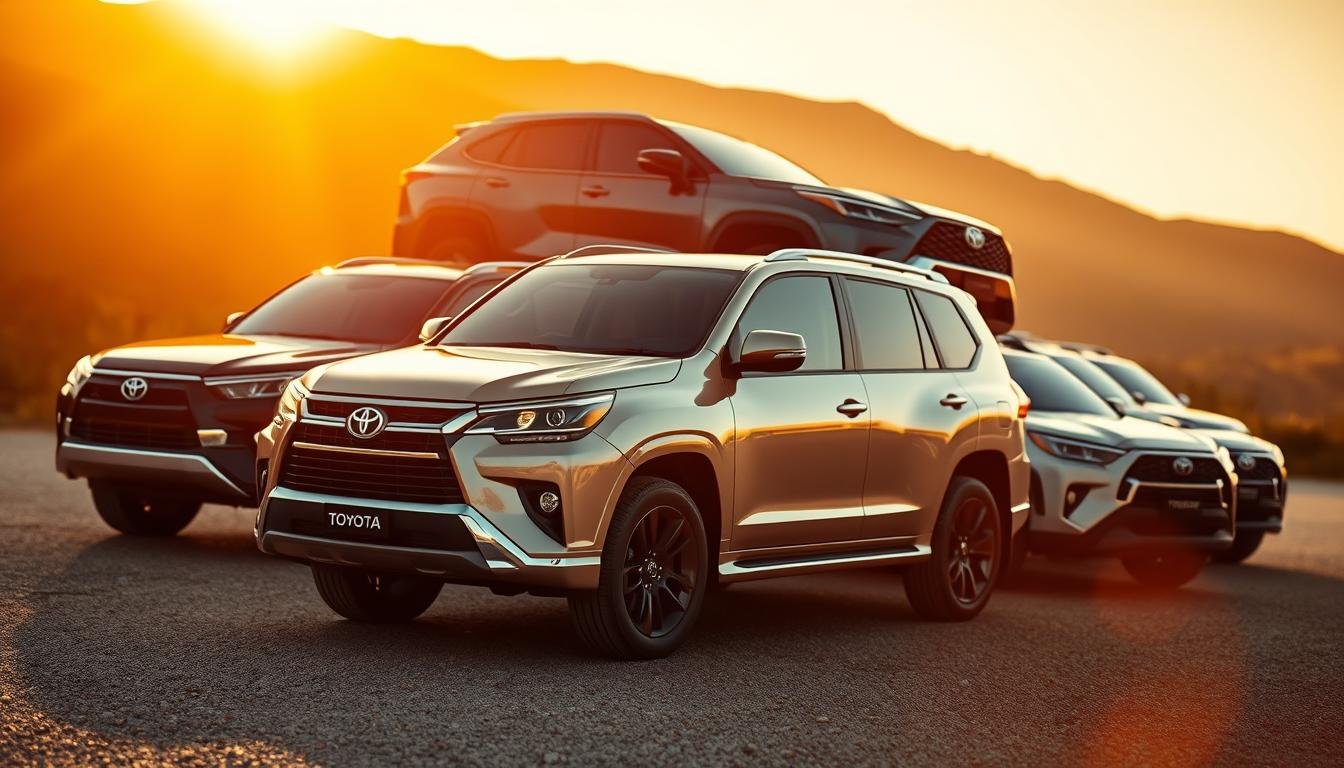
When Toyota built a reputation for bulletproof reliability across remote deserts and muddy tracks, the eight-cylinder engine became central to that legacy. The Toyota Land Cruiser V8 represents a specific era of heavy-duty engineering, spanning decades of rugged overlanding dominance. Whether you're looking at the iconic J200 series or checking out the heavy-duty V8 variants found in global markets, these machines built a reputation as the gold standard of adventure readiness.
Underneath the muscular sheet metal lies a masterclass in mechanical durability. These vehicles weren't designed to win luxury drag races; they were engineered to survive remote tracks where failure isn't an option. Let's break down how these multi-cylinder platforms evolved, what makes them tick, and what you need to look out for if you're planning to buy one.
The Evolution of the Land Cruiser V8 Lineage
The eight-cylinder story reached its peak with the introduction of the J200 generation, though V8 power roots stretch back into earlier iterations. When Toyota launched the 200 Series, it relied heavily on robust displacement to haul heavy chassis frames through punishing terrain.
Earlier models like the 100 Series introduced the 2UZ-FE 4.7-liter engine, proving that multi-cylinder setups could handle extreme heat and load without breaking a sweat. By the time the J200 arrived, the lineup expanded to include heavy-hitting gasoline options and, in many international markets, the formidable twin-turbo diesel variant.
- 100 Series (1998–2007): Featured the 4.7L 2UZ-FE iron-block V8, praised for an almost indestructible bottom end.
- 200 Series (2008–2021): Upgraded to the 5.7L 3UR-FE gasoline V8 alongside the 4.5L 1VD-FTV V8 twin-turbo diesel in select regions, maximizing towing capacity and torque delivery.
Core Powertrain Specifications and Performance
Performance in an adventure vehicle isn't measured by zero-to-sixty times. It's measured by low-end grunt, thermal efficiency under load, and transmission reliability.
The 5.7-liter gasoline engine churns out 381 horsepower and 401 lb-ft of torque, mated traditionally to a smooth automatic transmission that handles sandy dunes and rock crawling with ease. Meanwhile, the 4.5-liter V8 diesel variant prioritizes massive low-rpm torque, allowing drivers to crawl over obstacles without wringing out the throttle.
Power distribution relies on a full-time four-wheel-drive system featuring a two-speed transfer case and Torsen limited-slip center differential (with manual locking capabilities). This setup ensures that traction finds its way to the ground even when articulation leaves wheels hanging in mid-air.
Identifying and Managing Common Mechanical Gremlins
Even legendary engineering requires maintenance. If you're inspecting a used model, keep specific weak points on your radar before heading off-grid.
- Coolant Valley Leaks: On gasoline models, the plastic coolant crossover pipes or gasket seals under the intake manifold can degrade over time, leading to slow coolant loss.
- Starter Motor Longevity: Located deep within the engine valley on older blocks, replacing a starter requires patience and intake removal. Fortunately, they rarely fail early.
- Suspension Wear: Heavy steel bumpers, winches, and rooftop tents take a toll on factory springs and hydraulic suspension components like AHC (Active Height Control). Many owners swap these out for aftermarket heavy-duty lift kits.
- Diesel DPF and Injector Health: For diesel variants, short urban trips choke the Diesel Particulate Filter. Regular highway runs and clean fuel filters are mandatory to preserve injector longevity.
Essential Upgrades for Serious Overlanding
While factory specifications handle light-to-moderate trails straight out of the box, building a true expedition vehicle requires targeted modifications. Avoid cheap cosmetic accessories and focus purely on functional improvements.
- All-Terrain Tires: Swap factory highway tires for load-range E all-terrain rubber to protect against sharp shale and sidewall punctures.
- Upgraded Protection: Install steel skid plates underneath to shield the oil pan, transmission, and transfer case from hidden boulders.
- Dual Battery System: Running a fridge, winch, and auxiliary camp lighting requires isolated dual batteries managed by a smart voltage-sensing relay.
- Improved Filtration: If you travel through dusty environments, a snorkel combined with high-flow washable air filters keeps your cylinders clean.
For official manufacturer specifications and heritage details, you can read more via Toyota Global.
Frequently Asked Questions
What fuel economy can I expect from a V8 Land Cruiser?
Real-world fuel economy typically hovers between 13 to 15 combined MPG for gasoline variants, depending on cargo weight, tire size, and roof rack aerodynamic drag. Diesel models generally offer better range, especially on long highway stretches.
Is the gasoline V8 interference or non-interference?
The popular 4.7L (2UZ-FE) engine uses a timing belt and is a non-interference design in its early non-VVTi iterations, meaning valve damage won't occur if the belt snaps. Later versions with variable valve timing transitioned to an interference setup, making timely belt replacements critical every 90,000 miles.
How many miles can these engines realistically last?
With proper fluid changes and routine maintenance, these engines frequently surpass 300,000 to 400,000 miles without requiring a major internal rebuild. The cast-iron or heavily reinforced blocks are built to commercial-grade tolerances.
Are replacement parts easy to source globally?
Yes. Because these vehicles serve United Nations fleets, utility companies, and remote tour operators worldwide, parts availability remains exceptionally high compared to other luxury SUVs. You can find filters and suspension components in almost every corner of the globe.



