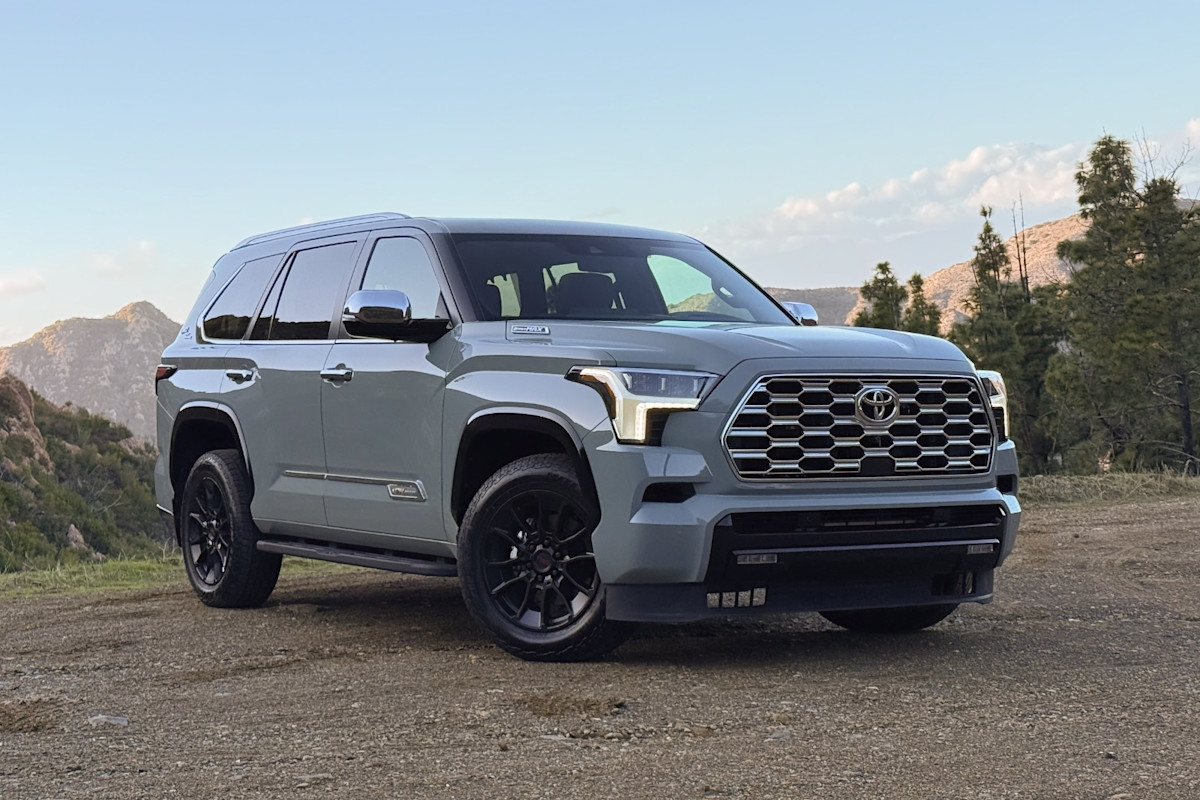
The entry of global automotive giants into emerging markets often reshapes local supply chains, employment landscapes, and manufacturing standards. When Toyota established its operational footprint in Pakistan through a joint venture, it didn't just open a factory; it laid down a blueprint for modern industrial assembly in the region. Understanding how this infrastructure evolved requires looking past standard press releases and examining the mechanics of local production, component sourcing, and economic integration.
The primary driver behind this manufacturing push was the creation of Indus Motor Company (IMC), a joint venture formed in late 1989. Backed by the House of Habib, Toyota Motor Corporation, and Toyota Tsusho Corporation, the company set up a sprawling production facility at the Port Qasim Industrial Zone near Karachi. Spanning over 105 acres, this plant was designed to transition the Pakistani market away from a heavy reliance on imported secondhand vehicles by building cars locally using complete knock-down (CKD) kits.
Evolution of the Port Qasim Facility
Construction of the Port Qasim plant finished in the early 1990s, with the first locally assembled Toyota Corolla rolling off the line in 1993. Before this plant opened, local options were limited, and automotive infrastructure lacked the precision engineering found in Japanese manufacturing hubs.
Toyota introduced the Toyota Production System (TPS) to Pakistan, focusing on just-in-time manufacturing, rigorous quality control, and continuous process improvement. Workers underwent specialized training programs to match global output benchmarks. Over the decades, the facility expanded its assembly lines to accommodate various models, ranging from the ubiquitous Corolla and Yaris sedans to utility vehicles like the Hilux and Fortuner.
Moving Toward Hybrid Technology and Exports
The operational scope of the facility shifted significantly with the introduction of hybrid electric vehicles (HEVs). In late 2023, the plant inaugurated a dedicated hybrid assembly line, leading to the local production of the Corolla Cross Hybrid. This milestone represented a shift in local consumer demand toward fuel-efficient, lower-emission options.
Furthermore, the plant evolved from serving solely domestic demand to participating in regional export markets. Local manufacturing matured enough to begin exporting vehicles and components to international destinations, including Oceanian and neighboring markets, signaling that Pakistani assembly plants could meet stringent international quality criteria.
Local Vendor Development and Supply Chain Integration
A common vulnerability in emerging market manufacturing is the reliance on imported parts, which leaves assembly plants exposed to foreign exchange fluctuations and import restrictions. To mitigate this, IMC invested heavily in local vendor development.
- Localization Levels: Over decades of operation, the company worked closely with independent local auto-part vendors to manufacture interior trim, suspension components, and sheet metal parts domestically.
- Technology Transfer: Technical assistance agreements allowed local engineers to adopt Japanese metallurgical and stamping standards.
- Vendor Ecosystem: A network of dozens of Tier-1 and Tier-2 local vendors grew alongside the assembly plant, creating thousands of specialized engineering and manufacturing jobs.
This vertical integration reduced lead times for parts replenishment and insulated vehicle pricing from heavy import duties, though currency devaluation and raw material costs continued to challenge profit margins during economic downturns.
Economic Impact and Market Challenges
The presence of a major manufacturing hub creates widespread economic effects, but it also exposes structural vulnerabilities within developing industrial sectors.
Positive Economic Contributions
- Exchequer Support: Large-scale operations make IMC one of the prominent corporate tax contributors in the manufacturing sector.
- Job Creation: Direct employment at the Port Qasim plant spans thousands of workers, alongside indirect employment generated through dealerships, logistics, and parts distribution networks.
- Skill Enhancement: Advanced vocational training programs introduced by Japanese supervisors elevated technical skill sets within the local workforce.
Operational Hurdles
- Import Dependency for Raw Materials: Despite high localization rates for basic parts, critical electronic components, raw steel grades, and specialized polymers still rely on imports.
- Inflationary Pressures: High domestic interest rates and currency depreciation frequently squeeze consumer purchasing power, causing sudden drops in vehicle demand and forcing assembly plants to adjust production shifts.
Frequently Asked Questions
When did Toyota start manufacturing cars in Pakistan?
Indus Motor Company was incorporated in December 1989, and commercial production at the Port Qasim plant officially commenced with the Toyota Corolla in May 1993.
What models are locally assembled at the Port Qasim plant?
The facility produces Complete Knock-Down (CKD) units including the Toyota Corolla, Toyota Yaris, Toyota Hilux, Toyota Fortuner, and the locally assembled Corolla Cross Hybrid.
How does local assembly affect vehicle prices in Pakistan?
Local assembly reduces the high import tariffs associated with Completely Built Units (CBUs). However, prices remain sensitive to global raw material costs, local inflation, and currency exchange rates affecting imported sub-components.
Does Toyota export vehicles manufactured in Pakistan?
Yes. Beyond supplying the domestic market, the plant exports built-up vehicles and select automotive parts to international destinations like Oceanian markets.



