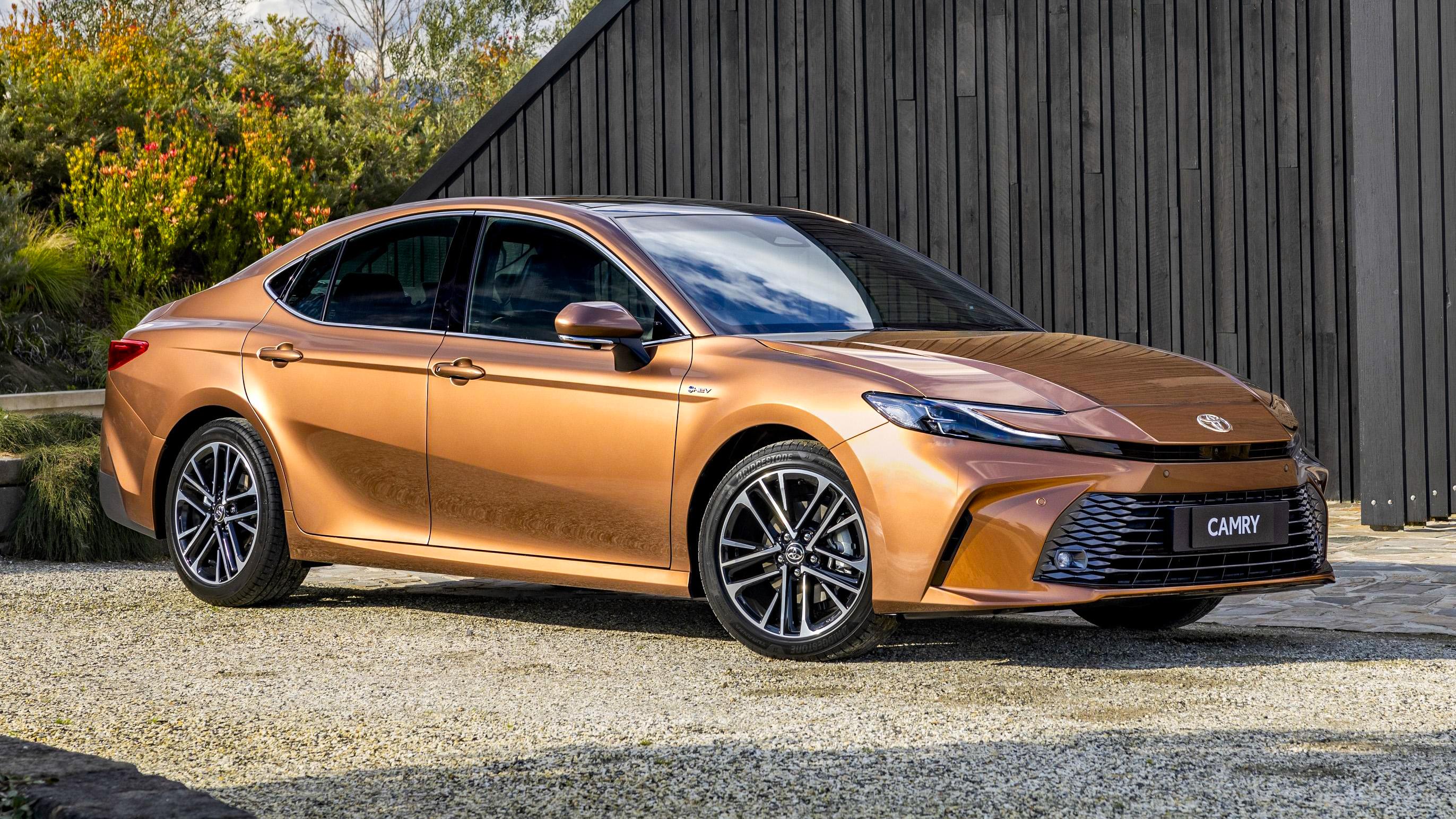
When Toyota introduced the Toyota 4Runner Venture Edition, it answered a specific demand for drivers who wanted trail-ready ruggedness wrapped in functional everyday comfort. Rather than building a fragile crossover with cosmetic body cladding, Toyota took its legendary body-on-frame platform and fitted it with specialized gear for serious terrain. This trim reexamined what buyers could expect from a factory-customized adventure vehicle without sacrificing cabin utility.
The vehicle bridges the gap between raw utility and refined daily driving. It pairs heavy-duty mechanical foundations with distinct exterior styling and upgraded interior amenities. If you're looking at how this specific package altered the midsize adventure segment, you have to examine its core hardware, cabin layout, and performance compromises.
The Foundation: Body-on-Frame Engineering
At its core, the Venture Edition relies on the bulletproof platform that made the fifth-generation 4Runner famous. While most modern family haulers use unibody construction, this SUV sticks to a truck-based architecture.
- Rigid ladder frame: Built to absorb severe impacts from rocks, ruts, and washboard dirt roads without twisting the cabin structure.
- Rear axle design: Features a live rear axle with a multi-link suspension setup, providing exceptional wheel articulation when crawling over uneven obstacles.
- Ground clearance: Offers substantial clearance out of the box, allowing you to clear boulders and deep ruts that would trap standard crossovers.
This heavy-duty skeleton gives the vehicle its durability. It's the same engineering philosophy applied to the Toyota Land Cruiser, ensuring long-term reliability in punishing environments. To explore the full picture, check out the detailed analysis by The New York Times.
Exterior Upgrades and Factory Cargo Solutions
The Venture package distinguishes itself immediately through functional exterior modifications designed for overland travel. Instead of relying on aftermarket parts, owners received a cohesive ecosystem of trail accessories straight from the factory.
A standout addition is the factory-mounted roof rack system. It provides an expansive platform for mounting gear, fuel cans, or a roof tent. Gunmetal-colored wheels anchor the stance, paired with aggressive all-terrain rubber that bites into loose dirt, mud, and sand. Blacked-out exterior badging, mirror caps, and a specialized rear spoiler complete the aesthetic, giving it a purposeful look that avoids cheap aftermarket styling tropes.
Cabin Comfort Meets Trail Utility
Stepping inside reveals a cabin tailored for active lifestyles. Toyota utilized durable, water-resistant SofTex-trimmed seating throughout the cabin, meaning mud, sand, and spilled coffee clean off with a simple wipe.
- Heated front seats: Essential for cold morning trailheads or winter commutes.
- All-weather floor liners: Factory rubber mats trap water and debris before they ruin the interior carpeting.
- Modern infotainment: Features a responsive touchscreen integrated with Apple CarPlay and Android Auto, keeping navigation accessible even far off the grid.
The interior layout balances rugged durability with modern convenience. You don't have to sacrifice connectivity or comfort to get a machine capable of crossing a mountain pass.
Powertrain and Real-World Performance
Under the hood lies a naturally aspirated 4.0-liter V6 engine producing 270 horsepower and 278 lb-ft of torque. It routes power through a bulletproof 5-speed automatic transmission. While some critics point out that the transmission gear count is dated, the mechanical pairing is famously over-engineered for longevity.
On the highway, the truck rides with the characteristic truck-like bounce of a solid rear axle. It isn't a luxury crossover that floats silently over pavement imperfections. Instead, it communicates road texture directly to the driver. Off the pavement, however, that stiffness translates into precise control. The suspension absorbs heavy hits gracefully, and the low-range transfer case lets you crawl over obstacles at a walking pace with total confidence.
Common Mistakes When Driving Heavy Off-Road SUVs
Drivers transitioning from standard all-wheel-drive crossovers to a body-on-frame machine often make avoidable errors on the trail.
- Ignoring tire pressure: Running highway pressures on rocky trails leads to punctures. Airing down expands the tire footprint and cushions the ride.
- Overestimating clearance: While the vehicle sits high, misjudging the rocker panels or differential housing can result in costly undercarriage damage.
- Relying solely on tech: Electronic aids help, but understanding momentum and line selection remains critical for safe navigation.
Respecting the vehicle's weight and high center of gravity keeps you out of precarious situations on steep side-slopes.
Frequently Asked Questions
Is the Venture Edition capable of serious rock crawling stock?
Yes. With its high ground clearance, robust four-wheel-drive system, and sturdy frame, it handles moderate to difficult trails right off the showroom floor. For extreme boulder fields, adding aftermarket skid plates and a suspension lift provides extra security.
How does the fuel economy compare to standard SUVs?
Because of its heavy frame, boxy aerodynamics, and V6 engine, fuel economy is modest. Expect lower efficiency on the highway compared to unibody crossovers, which is the trade-off for true truck durability.
Can you use the factory roof rack for heavy overlanding gear?
The factory Yakima rack handles standard gear like recovery boards, luggage, and lightweight camping equipment easily. If you plan to mount a heavy rooftop tent and sleep multiple adults up top, check the dynamic and static weight limits of the specific rack system.
What maintenance does the body-on-frame platform require?
Beyond standard engine servicing, you need to regularly grease the driveshaft universal joints, check the transfer case fluids, and inspect the suspension bushings after heavy off-road use.



