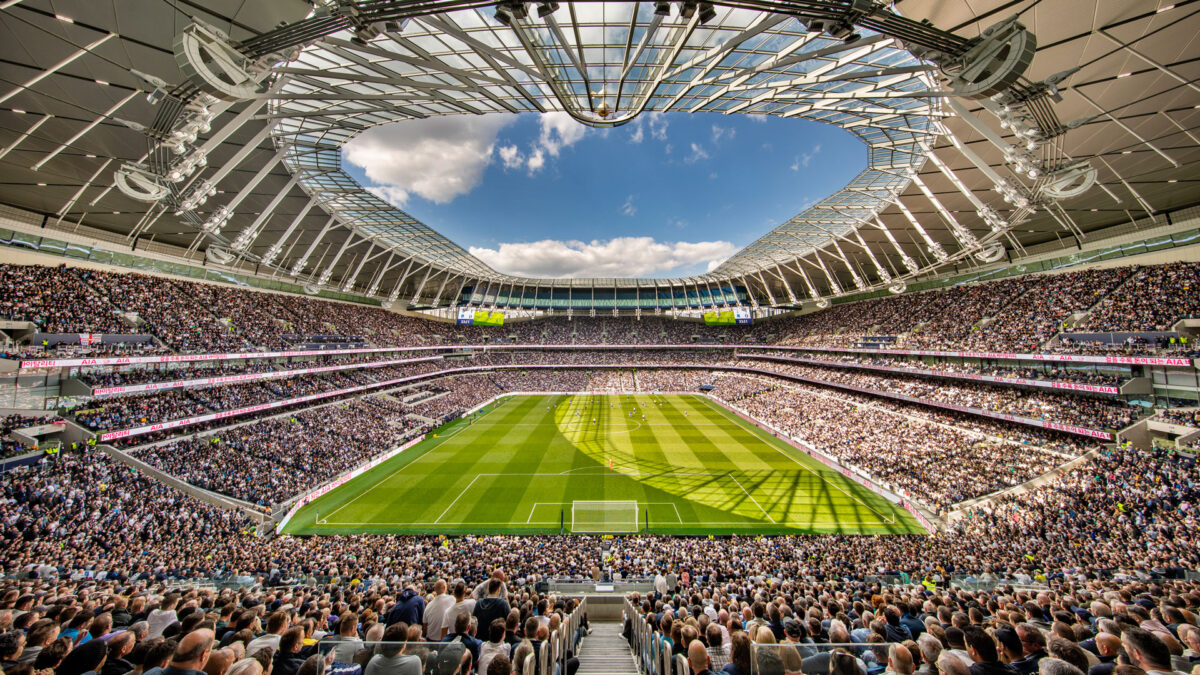
Tottenham Hotspur stands as one of English football's most culturally significant institutions. Founded in 1882 by a group of schoolboys at Hotspur Cricket Club, the club grew from humble local roots into a global name anchored deeply in the identity of North London. Operating out of the state-of-the-art Tottenham Hotspur Stadium, the club defines the sporting rhythm of the local community, blending a rich history of attacking football with intense rivalries and a fiercely loyal fanbase.
Understanding Tottenham Hotspur requires looking past simple trophy counts to examine the club's philosophy, community impact, and historic homegrounds. From the golden era under Bill Nicholson to modern tactical transformations, Spurs represent a distinct brand of entertainment and ambition that shapes North London life.
The Origins and Evolution of Spurs
The club's journey began in a corner of Haringey in 1882, initially playing on public land at Tottenham Marshes before moving to Northumberland Park and eventually establishing a permanent legendary home at White Hart Lane in 1899. Tottenham achieved a historic milestone in 1901 by winning the FA Cup as a non-League team—a feat unmatched in modern English football history.
The defining chapter of the club's identity arrived with the appointment of Bill Nicholson as manager in 1958. Nicholson instilled an ethos centered on style, bravery, and entertainment. Under his guidance, Spurs secured the double in the 1960-61 season, winning both the First Division title and the FA Cup—the first English club to achieve this feat in the 20th century. Nicholson's philosophy remains a touchstone for supporters who demand not just victories, but expressive, attacking play.
The Pulse of North London Life
Football clubs in the English capital do more than play matches; they anchor local economies and social structures. Tottenham Hotspur's presence in High Road shapes the physical and cultural landscape of N17. Matchdays transform the neighborhood into a sea of white and navy, driving local commerce, grassroots community initiatives, and generational fandom passed down through families.
The club's official charity, the Tottenham Hotspur Foundation, operates extensively throughout the borough of Haringey. By investing in education, employment programs, and health initiatives, the institution functions as a vital social pillar. For residents, supporting Spurs isn't merely a weekend hobby; it's an inherited community bond that links generations of North Londoners.
The North London Derby and Rivalries
No exploration of Tottenham's cultural footprint is complete without examining the North London Derby against Arsenal. This fixture stands as one of the most volatile and passionate rivalries in world football. Rooted initially in Arsenal's controversial relocation from South London to Highbury in 1913, the rivalry intensified over decades of competing for league supremacy and local bragging rights.
Matches between Spurs and Arsenal carry immense psychological weight for fans. Players who perform well in these fixtures instantly achieve cult status, while defeats can define an entire season. The rivalry highlights the tribal nature of football in the capital, dividing families, workplaces, and schools across North London.
The Modern Era: Tottenham Hotspur Stadium
In April 2019, the club entered a new architectural era by opening the Tottenham Hotspur Stadium on the exact site of the old White Hart Lane. Built to hold 62,850 spectators, the £1 billion venue features the world's first dividing, retractable grass pitch, allowing the arena to host NFL games, major concerts, and global entertainment events alongside Premier League fixtures.
The stadium design prioritizes atmosphere, featuring a massive single-tier South Stand modeled after the famous "Yellow Wall" in Dortmund. This acoustic engineering ensures that crowd noise reverberates intensely, preserving the intimidating atmosphere that fans loved at White Hart Lane while offering modern infrastructure. You can explore more about the club's heritage directly on the Tottenham Hotspur Official Website.
Style of Play and Tactical Identity
Throughout its history, Tottenham has prided itself on playing attractive, progressive football. From the glorious teams of Jimmy Greaves and Glenn Hoddle to the high-pressing era under Mauricio Pochettino, the expectation from the stands has always favored front-foot aggression over cautious pragmatism.
Fans expect wingers to run at defenders, midfielders to dictate tempo with creativity, and teams to attack with numbers. When a manager aligns with this traditional ethos, the connection between the pitch and the stands reaches its absolute peak.
Frequently Asked Questions
When was Tottenham Hotspur founded?
Tottenham Hotspur was founded in 1882 by schoolboys at the Hotspur Cricket Club, making it one of the oldest professional clubs in English football.
What is the capacity of the Tottenham Hotspur Stadium?
The stadium holds 62,850 spectators, making it the largest club football ground in London and a multi-purpose venue capable of hosting NFL games and concerts.
How many major trophies has Tottenham won?
The club's major honors include two league titles (1951, 1961), eight FA Cups, four League Cups, one European Cup Winners' Cup, and three UEFA Cups / Europa Leagues.
Who is Tottenham's all-time leading goalscorer?
Jimmy Greaves holds the club record with 266 goals scored across all competitions during his legendary spell in the 1960s.
Why is the match against Arsenal called the North London Derby?
The fixture involves Tottenham Hotspur and Arsenal, two clubs based in North London whose rivalry escalated sharply after Arsenal moved into the borough of Islington in 1913.


.jpg)
