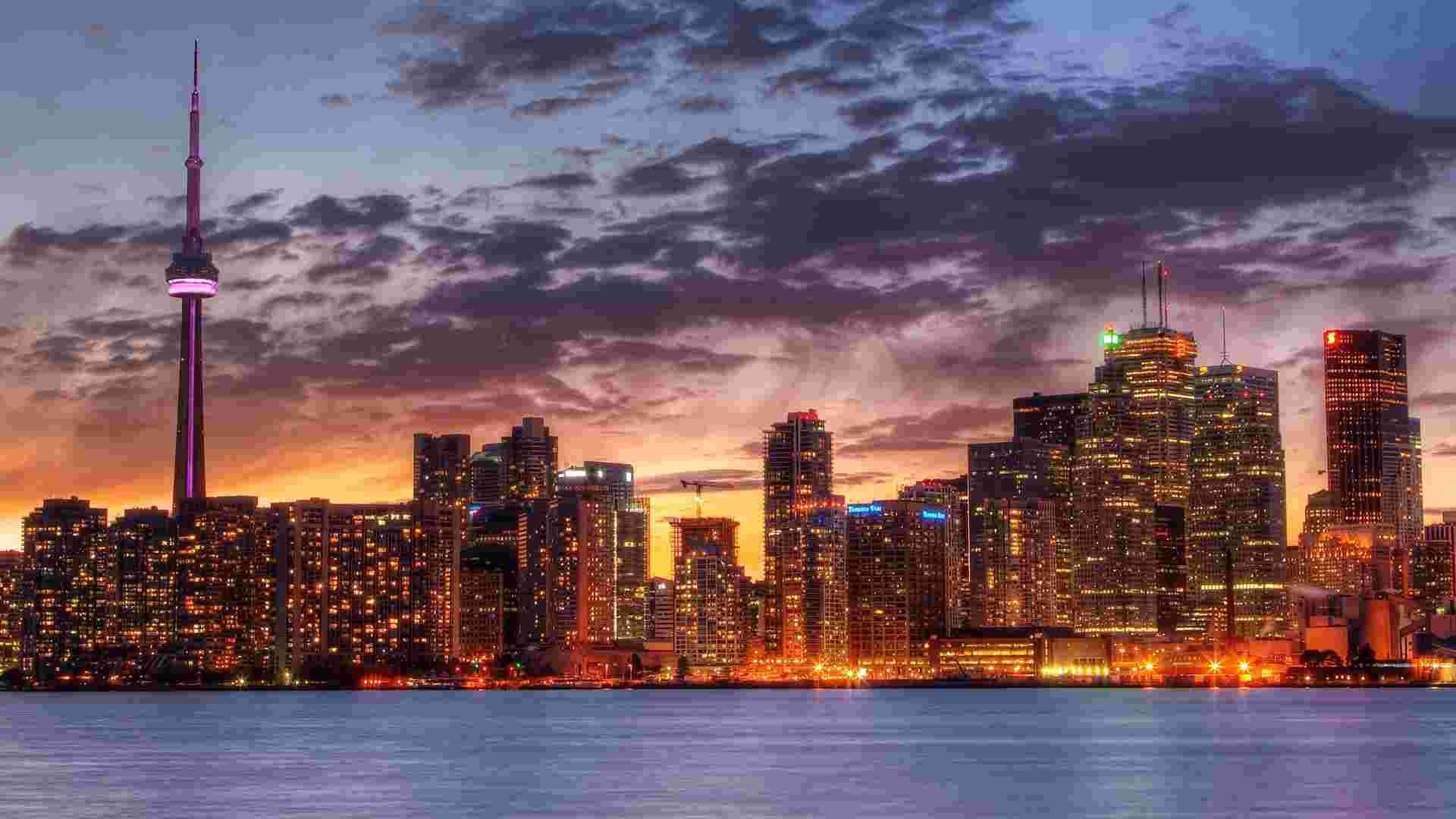
Toronto faces a convergence of urban pressures: extreme weather events, rapid population growth, and housing affordability strains. The city sits at a vital crossroads where transit expansion, ecological design, and community-led equity initiatives must intersect to secure its future. Traditional planning models don't work anymore when heatwaves strain electrical grids and heavy rainfall overwhelms century-old stormwater systems.
Solving these challenges requires integrating natural infrastructure with high-density transit corridors while ensuring local residents shape neighborhood transformations. Municipal strategies now focus on turning climate adaptation into an opportunity for social equity rather than just an engineering checkbox.
The Climate Reality: Engineering Ecological Defenses
Urban heat islands and severe flash floods present immediate threats to Toronto's infrastructure. Heavy downpours regularly swamp basement apartments and flood transit lines, showing that concrete-heavy drainage networks need a natural counterpart.
The city's response relies on decentralized green infrastructure. Neighborhoods like High Park and the downtown core incorporate bioswales, permeable pavements, and pocket wetlands to capture stormwater at the source.
- Permeable surfaces: Replacing traditional asphalt in parking lanes lets rainwater filter naturally into subterranean aquifers instead of overloading sewer pipes.
- Urban forestry expansion: Canopy cover targets focus on equity-deserving neighborhoods that historically lack mature trees, reducing localized summer temperatures by up to five degrees Celsius.
- Green roofs: Mandated on commercial developments, these rooftops insulate buildings while capturing peak rainfall.
These interventions shift urban design from fighting natural water flows to working alongside them. However, ecological upgrades only succeed when paired with movement systems that reduce car dependency.
Transit Innovation and Density Thresholds
Building transit lines isn't enough to solve congestion or lower emissions. Transit-only investments often fail to generate ridership unless paired with thoughtful land-use planning.
Research from regional transit projects shows that a minimum density threshold of roughly 50 residential units per hectare is required near stations to achieve meaningful mode-shift data. When developments sit below 35 units per hectare, the financial investment in rail infrastructure struggles to pay off in daily passenger volumes.
- Transit-Oriented Communities (TOCs): Provincial and municipal partnerships integrate high-density housing directly into new transit station footprints.
- Mixed-use zoning: Ground-floor retail, daycare facilities, and community health centers near light rail transit (LRT) stops reduce the need for secondary vehicle trips.
- Active transportation integration: Protected bike lanes running parallel to major transit corridors ensure that last-mile commutes don't rely on automobiles.
When transit projects ignore neighborhood context, delays mount. For instance, underground stations often require late-stage drainage overhauls because initial designs didn't factor in localized precipitation spikes. True transit innovation means engineering for tomorrow's climate while building for today's passenger volume.
Diverse Communities and Grassroots Leadership
Infrastructure projects frequently stumble when decisions happen behind closed doors. Grassroots organizations across the Greater Toronto Area prove that local knowledge changes outcomes for the better.
Groups like the Toronto Environmental Alliance and neighborhood hubs in Parkdale and Bathurst-Finch demonstrate how community-led data collection steers climate adaptation. Residents map local flood vulnerabilities and advocate for green spaces that reflect actual neighborhood needs.
- Participatory budgeting: Allowing residents in high-density zones to vote directly on local park enhancements and cooling center locations.
- Equitable cooling: Prioritizing community hubs and public housing complexes for energy-efficient retrofits and backup cooling zones.
- Language accessibility: Ensuring municipal consultations happen in multiple languages to engage immigrant populations who experience environmental inequities firsthand.
Equity isn't an add-on; it's the metric that determines whether an urban innovation actually succeeds over the long term. If a new transit hub or green roof displaces existing low-income residents, the city becomes more fragile, not more resilient.
Common Pitfalls in Modern City-Building
Municipalities often stumble when trying to balance rapid growth with sustainability goals. Recognizing these traps helps planners avoid costly missteps.
- Siloed agency planning: When transit authorities, water management boards, and housing developers work independently, projects face severe timeline conflicts.
- Tokenistic consultation: Holding public meetings after key zoning decisions are finalized creates friction and erodes community trust.
- Ignoring maintenance costs: Building bioswales and green roofs without budgeting for long-term municipal upkeep leads to degraded infrastructure within five years.
Avoiding these errors requires continuous data sharing between municipal departments and the residents who live alongside the tracks and pipes.
Frequently Asked Questions
What is a Transit-Oriented Community (TOC)?
A TOC is a development model where housing, commercial spaces, and public amenities are built directly around or integrated with high-capacity transit stations. The goal is to make walking, cycling, and transit the easiest daily choices for residents.
How do bioswales help urban climate resilience?
Bioswales are landscaped channels designed to absorb and filter stormwater runoff. They slow down water flow during heavy storms, reducing basement flooding and filtering pollutants before water reaches local waterways.
Why is neighborhood density important for transit lines?
Without sufficient residential and commercial density near transit stops, passenger numbers remain too low to justify the high cost of rail infrastructure. Meeting specific density thresholds ensures public transit systems operate efficiently and sustainably.
How can local residents influence urban planning decisions in Toronto?
Residents can participate through City-led public consultations, engage with local community hubs, and provide feedback on Transit-Oriented Communities proposals via municipal planning channels.



