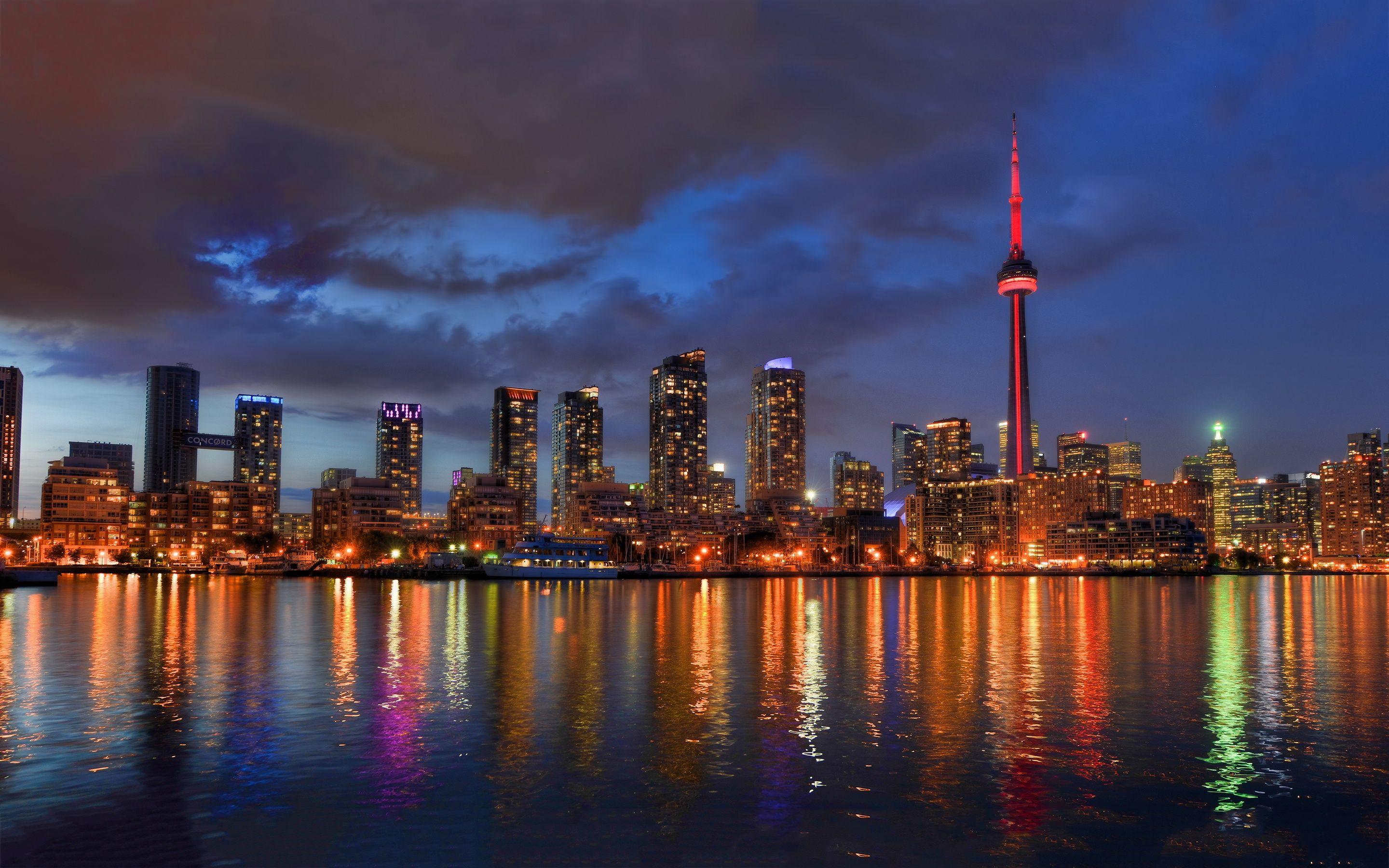
Traveling from Toronto to Montreal by rail offers a seamless alternative to highway driving or regional flying, delivering passengers straight from downtown core to downtown core. The journey spans roughly 540 kilometers across the scenic landscapes of Ontario and Quebec, typically taking between four and a half to five and a half hours. Managed primarily by VIA Rail Canada, this corridor is one of the busiest and most reliable passenger rail routes in the country.
Knowing what to expect before stepping onto the platform transforms a routine transit ride into a relaxing experience. From booking classes and station logistics to enjoying the changing countryside outside your window, careful preparation ensures a smooth trip between Canada's two largest cultural hubs.
Understanding the Route and Schedule
The train route connects Toronto Union Station with Montreal Central Station, with several daily departures operating from early morning until evening. Direct trains make the journey without requiring any transfers, stopping at key regional hubs such as Kingston and Cornwall along the way.
- Frequency: Multiple daily departures run in both directions, giving you flexibility for morning, afternoon, or evening travel.
- Duration: Direct services average roughly 5 hours and 10 minutes. Trips featuring connections or additional technical stops can extend past 5 and a half hours.
- Corridor Fleet: VIA Rail utilizes modern locomotive and passenger car sets on this corridor, featuring smooth ride quality and steady onboard power.
Choosing Your Service Class
VIA Rail offers two main service tiers for short-to-medium corridor routes: Economy and Business class. Selecting the right tier depends on your budget, need for workspace, and preference for inclusive amenities.
Economy Class
Economy provides a comfortable, wide reclining seat with generous legroom, fold-down tray tables, and individual power outlets. Overhead luggage racks and dedicated end-of-car storage handle larger bags. While hot meals aren't included in Economy tickets, a cart service offers snacks, sandwiches, coffee, tea, and alcoholic beverages for purchase. Free Wi-Fi is standard throughout the train.
Business Class
Business class is tailored for corporate travelers and those seeking extra comfort. Tickets include access to priority station lounges before departure, priority boarding, and wider seating arrangements. A hot multi-course meal—served right at your seat with complimentary wine or beer—is included during standard meal hours, alongside continuous snack and beverage service.
What to Expect from the Scenery
While long-distance Canadian rail journeys boast massive mountain ranges, the Toronto-to-Montreal corridor highlights a different charm: rural Eastern Canada.
Leaving Toronto, the tracks wind eastward alongside the northern shores of Lake Ontario, offering brief, picturesque water views before cutting inland. For the middle stretch of the trip, you'll roll past rolling farmland, historic limestone towns in Eastern Ontario, dense maple-laden forests, and marshlands near the St. Lawrence River. Autumn transforms this route into a corridor of vibrant reds and golds, while winter brings heavy blankets of snow across open fields.
Station Logistics and Boarding Tips
Navigating major terminals like Toronto Union Station and Montreal Central Station is straightforward if you arrive with adequate time.
- Arrival Time: Aim to arrive at least 45 minutes before departure. Ticket checks and baggage drop-offs happen in the concourse before passengers are released to the platform.
- Baggage Allowance: Passengers can bring up to two carry-on items and personal items for free. Checked baggage options vary by train schedule, so verify your specific ticket rules if you are traveling heavy.
- Connectivity: Free station Wi-Fi is available in major hubs, and onboard Wi-Fi lets you work or stream during transit, though cellular dead zones can occur in rural pockets between cities.
Common Mistakes to Avoid
- Booking at the Last Minute: Ticket prices on the corridor fluctuate based on dynamic pricing. Waiting until the day of travel often results in sold-out preferred times and inflated fares.
- Ignoring Station Locations: Ensure you travel to Toronto Union Station (located downtown at Front Street) rather than suburban commuter stations unless your specific ticket originates there.
- Underestimating Luggage Size: While overhead space accommodates rolling carry-ons, oversized bags must go into designated car racks. Keep valuables and electronics in your personal under-seat bag.
Frequently Asked Questions
Is there food available on the train?
Yes. Economy passengers can purchase snacks, light meals, and beverages from the cart service or a cafe car. Business class passengers receive hot meals, snacks, and complimentary alcoholic beverages included in their fare.
Can I bring my pet on board?
VIA Rail permits small domestic cats and dogs in a carrier that fits under the seat ahead of you on select corridor trains, provided you book the pet fee in advance.
How early should I arrive at the station?
Arriving 45 to 60 minutes prior to departure gives you enough time to navigate security checks, locate your designated track, and board calmly without rushing.
Is Wi-Fi reliable during the trip?
Onboard Wi-Fi is provided for general browsing, checking emails, and messaging. However, signal drops can happen temporarily as the train passes through rural stretches and heavily wooded areas.



